The smartphone revolution has not only changed the way we interact with people. It has changed the way we work, shop and stay connected. At the heart of this change is a binary choice that still plagues technology commentary and dinner table conversations. Android or iOS?
Both ecosystems have grown into complete and efficient platforms. They share core functionality such as cloud sync, app store, and push notifications. However, the differences between the two are not just technical. This is philosophical. People value openness and diversity. Another trend is towards control and integration.
Choosing the right system is not about finding the “best” phone. What matters is which digital ecosystem suits your habits. Want to edit every pixel? Or do you prefer a functional walled garden? We’ll dive deep into the real differences, such as user interface, security, device lineup, pricing, update policies, and more, so you can make up your mind.
The core philosophy of the operating system
Let’s start with the basics. Android is developed by Google and is based on a modified version of the Linux kernel. iOS is built by Apple and has its roots in the Unix-like Darwin operating system. This is more than just academic trivia. It determines how much control you have.
Android is open source. Well, almost. Google distributes AOSP (Android Open Source Project) for free, but most phones have Google’s own layer. This flexibility allows manufacturers like Samsung, Xiaomi and OnePlus to customize the experience. Enables different launchers, default apps and system level adjustments. This is, of course, confusing. But this is also where innovations often appear first.
iOS is closed. Apple controls the hardware, software and user experience. What Apple gives you is what you get. The result? Uniformity. Any iPhone feels familiar if you’ve used it before. There’s no confusion about which OS version you’re running or which apps are pre-installed.
Which ecosystem do you think is more natural: the customizability of Android or the curated simplicity of iOS?
This fundamental division affects everything else. If you value choice, Android wins. If you value consistency, iOS is better. Objectively, one is not better than the other. These are just different answers to the same question: “How much freedom should users have?”
The most fundamental differences between the two giants extend beyond chips and displays. It’s about who actually owns the code.
Android is open source. This phrase is often said, but it has a special meaning here. Any developer can pick up the Android operating system and start working on code. Because of this openness, Android runs on everything from budget phones to high-end foldables. Low barriers to entry invite a huge ecosystem of third-party apps.
iOS is different. It is closed. Apple designed it to work only with its own hardware. This isn’t a bug; it’s a feature. However, the user base is limited to Apple devices. You can’t buy a Samsung phone and run iOS. The door is locked.
2. Differences and uniformity of the user interface
This difference in access creates a split in how the systems look and feel to the system.
Because Android is open, all major phone manufacturers (Samsung, Xiaomi, Google, OnePlus) take the base code and build their own skins on top of it. One day you might get a Samsung Galaxy and the next a Pixel. The button moves. The settings menu changes. The app drawer appears and disappears. The user interface varies depending on the phone manufacturer.
“Android’s user interface varies depending on the brand of the device, but iOS maintains a uniform look on all devices.”
iOS doesn’t have that kind of variability. Since Apple manufactures both the chip and the operating system, the user interface is the same regardless of whether it is a basic iPhone 15 or a Pro Max model. The icons are in the same place. The control center works in the same way. This consistency is a double-edged sword. This makes learning the system incredibly easy. When you pick up your iPhone, you know where to swipe. But it also means less customization. You live in Apple’s house and follow Apple’s rules.
3. App Store Gap
Then there is the issue of software distribution.
Android relies on the Google Play Store. Most users stick to the Play Store, but sideloading is possible. The number of applications is enormous. If you want a niche utility that caters to a specific type of file or region, it’s probably out there. The downside? Quality control may vary. Malware exists. If the application is not optimized properly, it can clog the system.
iOS uses the Apple App Store. And Apple is very strict. All apps must be approved by our review team before being released to devices. This gatekeeping means fewer apps. There aren’t that many experimental or region-specific tools. However, the general consensus is that the apps that do get through are cleaner, more secure, and have better performance optimization.
Which approach do you trust more? An open market gives you complete freedom, but you have to guard a digital door or a walled garden where you are safe but can’t leave the path?
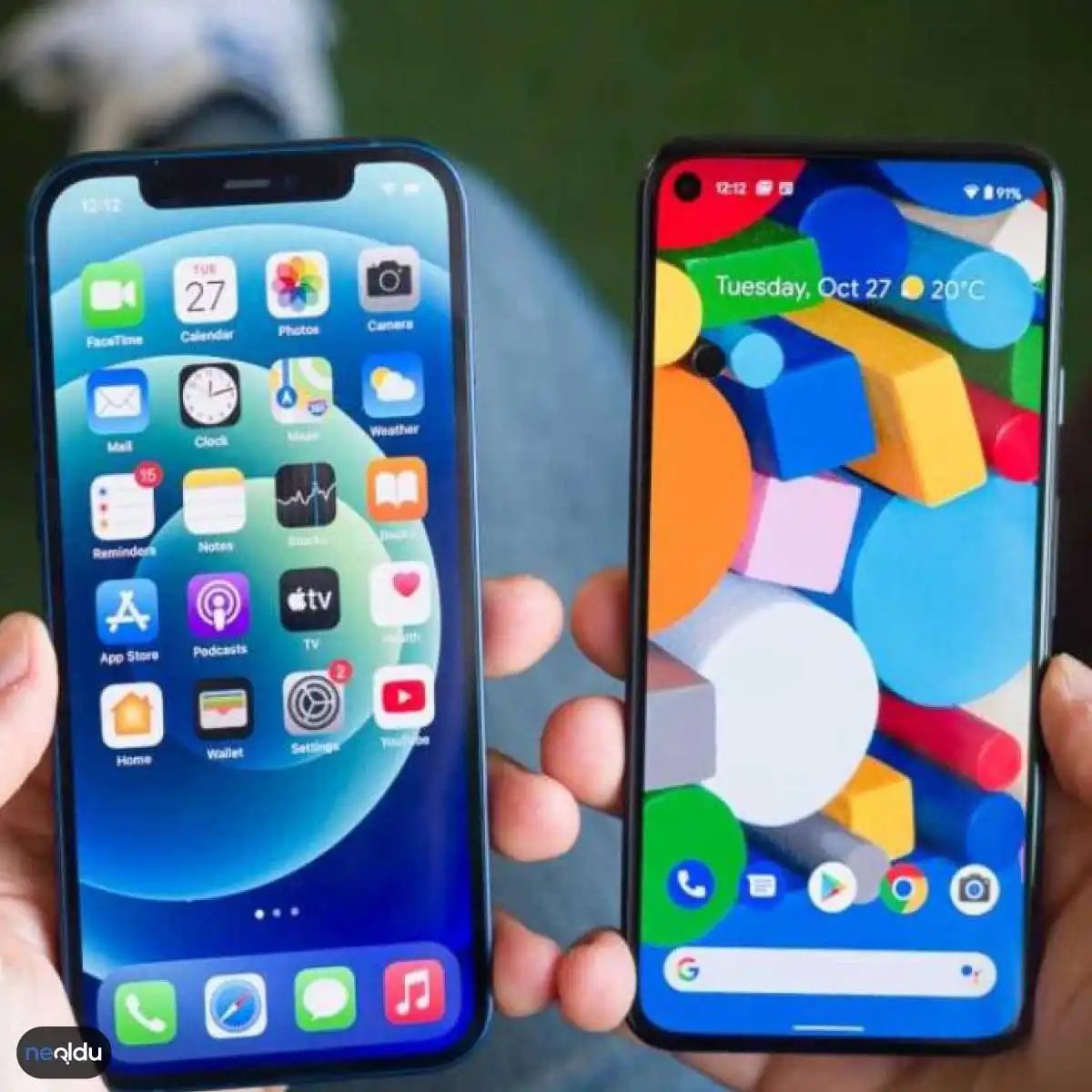
The visual gap between Android and iOS goes beyond aesthetics. This reflects a completely different philosophy in interacting with technology. The open source nature of Android means there is no single “Android look”. Samsung, Google, Xiaomi and OnePlus all layer their own skins over their base operating systems. The result is a disjointed experience, where one phone can feel light and fast, while another feels full of bloatware.
In contrast, Apple enforces uniformity. All iPhones, from the affordable SE to the Pro Max, work with the exact same user interface. This is not a limitation. It’s a feature. Consistency reduces the learning curve. When you pick up a stranger’s iPhone, you already know where the settings are. You know how the application opens. You know how to delete them.
Navigation mechanism
How you move through these systems reveals deeper differences in design logic. Android has traditionally relied on on-screen navigation buttons (back, home, recent apps). Some manufacturers have moved to swiping left or right to go back, but the basic logic is still rooted in direct manipulation.
iOS is stricter. For years, it relied on a physical button (or now dynamic islands). Swipe from the left edge to go back. There is no “recent apps” button to tap. Swipe up from the bottom to pause. It forces a specific rhythm of usage. Critics argue that this makes certain tasks more difficult on larger phones. Proponents say this reduces clutter and prevents accidental clicks.
Iconography and Customization
Show home screen. Android icons are free agents. They can be circles, squares, squircles, or abstract shapes. The launcher lets you resize, move, hide, and group them into folders with custom labels. You can change the entire visual language of your phone with a single app download.
iOS icons are rigid. They are uniformly rounded squares. You cannot change their shape. You cannot resize them. You can only rearrange them on the grid. This limitation is intentional. Create visual harmony throughout the ecosystem. When you buy an iPhone, you get a curated visual experience. Canvas is provided to you when you purchase an Android device.
3. Security and Privacy
This is where the discussion shifts from preference to protection. The key difference is how each company views the relationship between users and data.
Apple markets privacy as a fundamental human right. Google markets it as a feature of its ad-supported business model. The implementation differs sharply.
Walled garden and open market
iOS applications can only be installed from the App Store. Apple reviews every submission. Check for malware, intrusive data collection, and policy violations. This creates a ‘walled garden’. It is safe but has limitations. Sideloading applications from outside the Store is not possible without complicated workarounds.
Sideloading is possible on Android. APKs can be installed from any website. This is very powerful for developers and power users. It’s also risky for the average user. Clicking on a malicious link can install spyware. To mitigate this, Google has strengthened security over the years with Google Play Protect, which checks apps for malicious activity. But the option remains open.
Data Collection
Android devices are designed to work seamlessly with Google
Information security is more than just a check box for technology enthusiasts. It’s the difference between a quiet night and a crazy week of password changes. When you hold your phone in your hand, you’re giving it your location, bank account information, and private conversations. So what operating system can really keep these secrets safe?
The answer is not easy. It depends on whether you like an open ecosystem or a walled garden.
Android security mode
Android’s strength is also its weakness: it’s open source. This allows for incredible flexibility and device variety, but it also means an expanded attack surface. Android runs on phones from dozens of manufacturers (Samsung, Pixel, OnePlus, Xiaomi), which can lead to a fragmented security patching process. You might get the update today, but your friends who use a different brand will have to wait several months.
Next, the app store situation. Google Play is the official hub, but so many apps come with risks. Many apps are created by third-party developers and may not adhere to the same strict security standards as Apple. Even though Google’s Play Protect system is constantly looking for suspicious activity, malware still exists. It’s not perfect. While obvious threats can be caught, sophisticated phishing and manipulation attacks still slip through.
“Open source means transparency, but it also means that anyone can see where the doors are.”
Yes, Android users have more control. If you want, you can sideload apps (install it from outside the Play Store). This freedom is powerful. However, it also comes with liability if you are not careful. One wrong click on a sketchy APK file can cause problems for your device.
iOS: Walled Garden Approach
iOS is different. Apple controls hardware, software and distribution channels. This vertical integration creates a “walled garden”. The fewer entry points, the harder it is to break in. The App Store review process is very strict. Before releasing apps to the market, Apple checks them for known security flaws, privacy violations, and malicious code. That’s not to say there aren’t bugs, and bugs are everywhere, but it does rule out a lot of low-hanging fruit for attackers.
Biometrics play a big role here. Face ID and Touch ID aren’t just convenient. They are deeply integrated into the security architecture. The neural engine inside the chip processes the data locally. Your face or fingerprint is never sent to the cloud for authentication. This is a huge win for privacy.
However, walled garden also have disadvantages. You cannot easily install apps from other sources. If Apple rejects the app, it disappears. This reduces user choice, but improves the overall security of the ecosystem. For the average user who doesn’t tinker with code, iOS feels more secure by default.
Privacy: Who owns your data?
This is where the fight gets personal.
Google’s business model is based on advertising. They offer most of their services for free because they collect data to target ads. When you use Android, you’re using a device that’s integrated into Google’s vast tracking empire. Location history, search queries, app usage and even Gmail content are all included in the package. Google believes that this information can improve your user experience. they anonymize it. However, anonymity is difficult to guarantee.
Apple, on the other hand, positions itself as a data protection company. “What happens on the iPhone stays there.
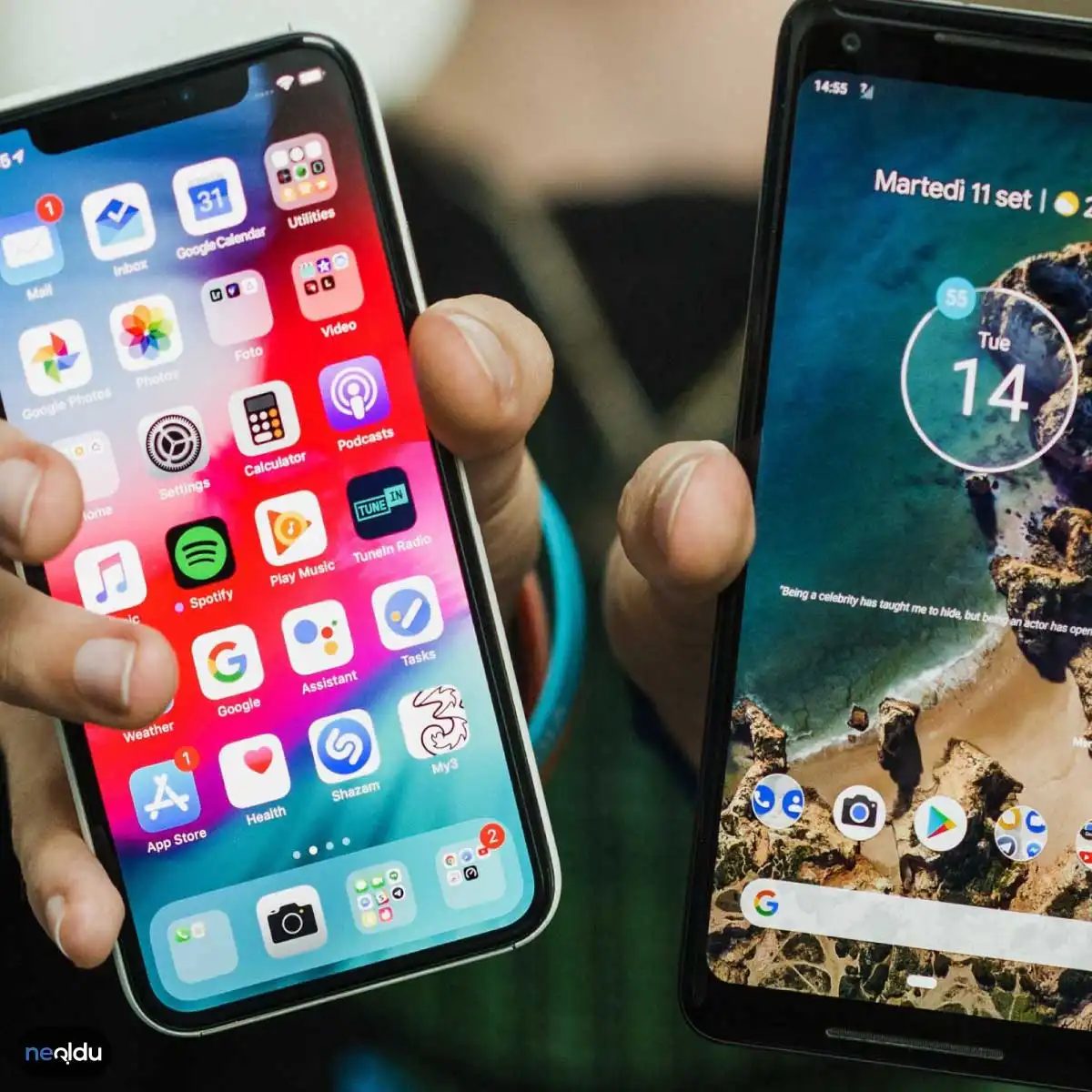
The difference between Android and iOS isn’t just a better interface. Basically, it’s a choice between open market abundance and controlled exclusivity.
The most obvious difference is hardware availability. Android runs on devices from companies like Samsung, Google, Xiaomi, OnePlus and many others. iOS? Only available on iPhone and iPad. This is not a small detail. It will change the way you buy, use and upgrade your phone.
For many users, diversity is the main attraction. If you’re on a budget, Android has options. You can buy a fully featured smartphone for a fraction of the price of an iPhone. There are affordable phones, mid-range workhorses and flagships that push the envelope. Do you need a mobile phone with a big battery? A folding screen? Headphone jack? Android has it. Apple doesn’t offer most of these features.
But there are also problems with diversity.
When dozens of manufacturers produce their own versions of the same operating system, consistency suffers. An app that works perfectly on a Google Pixel may lag or crash on lower-end Samsung model. Features aren’t always standardized. You might be wondering why one phone has certain features and another doesn’t, even though they have the same version of Android.
Then there is the issue of updates. Android smartphones do not receive updates at the same time, if at all. Mid-range and low-end devices often reach the end of support in two to three years. This means that security patch releases will be halted. Old apps no longer work. A mobile phone becomes a liability, not an asset.
Apple avoids this confusion by design.
All iPhones are made by the same company. Hardware and software fit together like a puzzle. That means the user experience is remarkably consistent. If you’re switching from iPhone 13 to iPhone 15, the basics feel familiar. The transition is smooth. The software is optimized for specific devices since day one.
And the updates? Apple supports the iPhone for more than 5 years. Some older models are still getting major iOS updates after five years. This is not only convenient; This is a financial benefit. You don’t need to change your phone every two years to stay safe. Keep it longer, sell it for a better price and still use the latest apps.
5. Price
Let’s talk numbers.
There are Android devices in a wide price range. Fully equipped smartphones can be purchased for less than $100. Or you could spend $1,500 on a high-end foldable device. Flexibility is real. If you want a phone that costs less than a monthly streaming subscription, Android has you covered.
iPhones? Not so much.
Apple’s pricing strategy is simple. There are no cheap iPhones. The most affordable new iPhones still cost more than many mid-range Android smartphones. That’s before you even think about storage upgrades and accessories.
Does this mean that Apple products are too expensive? Not necessarily.
The calculation changes when total cost of ownership is taken into account. iPhones retain their value better. After two years, a used iPhone 12 may still sell for a significant portion of its original price. An Android smartphone of the same age? Often half that. In addition, the software is supported for a longer period of time, means you don’t have to upgrade as frequently.
But here’s the
Price is the first filter. This is the number people check before they check anything else.
Android covers a lot of ground. You can buy a full service smartphone for the price of a nice dinner. Or you can spend thousands of dollars on a flagship model that rivals high-end laptops. This series exists because dozens of manufacturers make them. Samsung, Google, Xiaomi, OnePlus – they all work in different fields. Low-end Androids tend to cater to low-income markets. They provide essential connectivity without breaking the bank. Top-of-the-line models have top-of-the-line cameras, faster processors, and better screens. Flexibility is key. Choose the one that suits your wallet.
iOS is different. Apple controls both hardware and software. There is no budget iPhone. The price of every device introduced to the market is high. The entrance fee is high. You’re paying as much for brand, ecosystem and perceived status as you are for specs. This makes first-time purchases difficult for some people. This also means that all iPhone users start with the same performance baseline.
But look at the long term game.
Android smartphones may seem cheap up front. Mid-level tiers can also offer more features for less. A $400 Android device often beats a $400 iPhone in terms of raw specs. screen size. battery life. Storage options. However, the iPhone retains its value better. Resale value is important. You can make more money selling a 3 year old iPhone than selling a 3 year old Android smartphone. The depreciation curve changes the calculation. Suddenly the high price tag looks less scary.
Then there is the issue of updates. Here the conversation turns from price to longevity.
6. System Updates
How long your phone lasts depends on who fixes it.
Over the years, Apple has built a reputation for supporting its devices. When iOS 18 is discontinued, so is iPhone 11. So is iPhone 12. Keep your old models safe and fresh for a long time. This is no accident. It is a business model. You buy a mobile phone. You use it for five years. You feel good about it.
Android updates are fragmented.
Google pushes clean updates for Pixel smartphones. Pixels now typically come with long-term support promises, up to seven years for newer models. This is impressive. It matches Apple’s timeline. But pixels are expensive. They compete directly with the high-end Samsungs.
Samsung has says it will support its flagship products for seven years. They used to promise four. This is progress. What about mid-range phones made by Samsung? They get fewer updates. Cheap cell phones? They are often left behind even after two years.
Other Android makers are worse. Updates for some mobile phone brands are for two years. Then they stop. Security patches dry up. New apps stop working properly. The phone is bricked and still answers calls.
This fragmentation hurts the ecosystem.
Apple’s control means every all iPhone users have the latest version of iOS. Mostly. Some people are slow to update. However, updates are available. Android users are scattered. You may be using the latest version. Or you may be suffering from an old problem that the manufacturer forgot to fix. Or your phone is too old to receive it.
Why is this important?
Security. There are known vulnerabilities in old software. Hackers exploit them. If your phone is not updated, it will become vulnerable. Personal data is at risk. Banking applications might stop
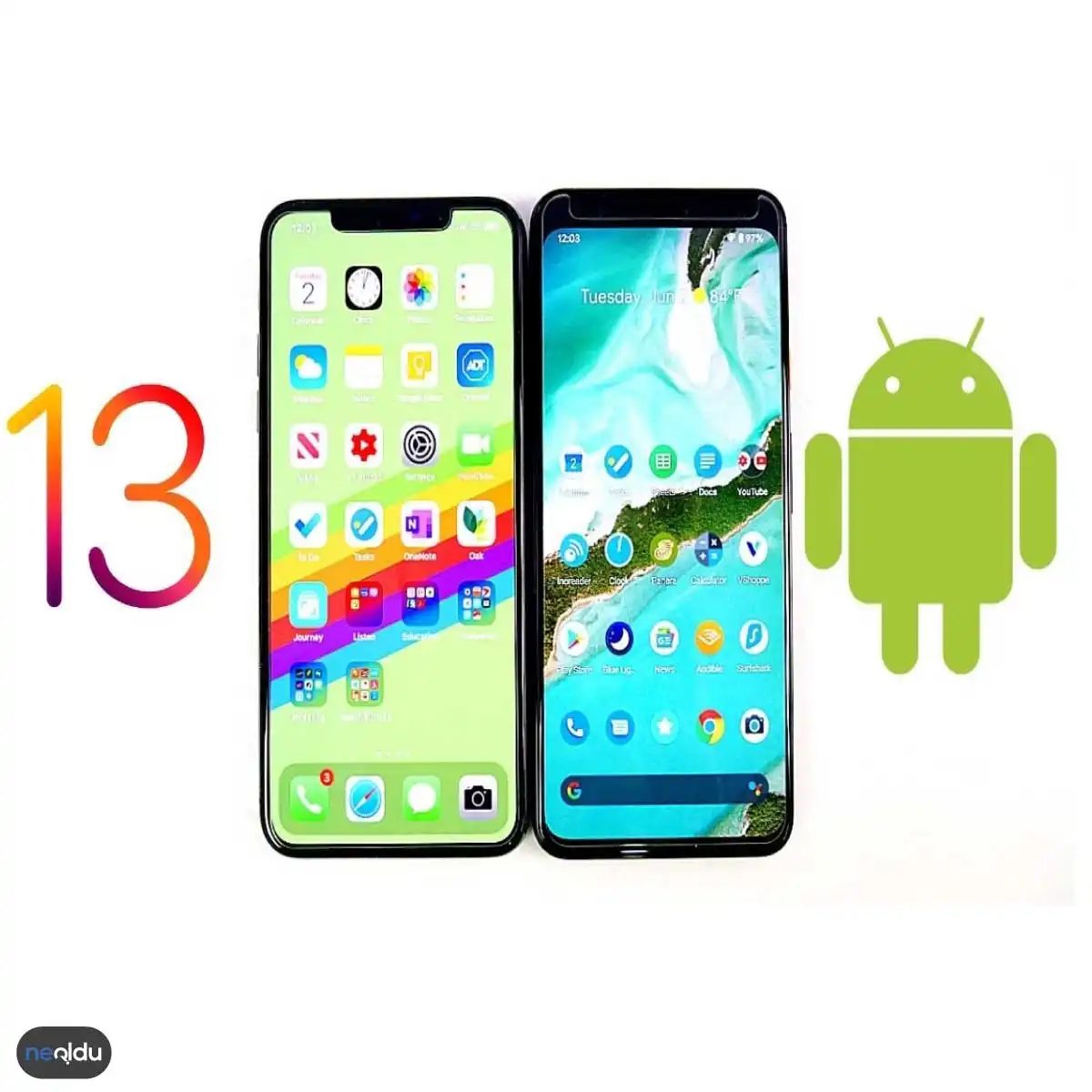
System updates are the lifeblood of mobile operating systems. Whether you use Android or iOS, regular patches keep your device safe and running. But the way these updates reach your pocket is very different between the two giants. It’s not just about the code. It’s about delivery, device compatibility, and how fast you get your notifications.
Fragmentation issues on Android
Android is an open source project. While this may seem like an advantage, it also means that no single company owns the entire experience. Used by several manufacturers such as Samsung, Google and Xiaomi. Carriers such as Verizon and T-Mobile are also often involved.
This creates a fragmented update environment.
Pixel smartphones can get the latest version days after Google releases the latest version of Android. A cheap Samsung device? Maybe not for months. Or if the manufacturer decides the hardware is too old, or never. Carrier-locked phones often get bogged down when carriers add their own layers of bloatware and testing layers. The result? The version of Android you are using may be two to three years behind the cutting edge. Older devices simply disappear from the support map, leaving them vulnerable to security risks.
Apple’s Walled Garden method
iOS tells a different story. Apple makes the software. Apple makes the hardware. There are no intermediaries.
When Apple releases a new version of iOS, all supported devices are released simultaneously. Such consistency is rare in technology. In addition, Apple supports older iPhones for a surprisingly long time. If your phone was released four or five years ago, it may still have the latest security patches and feature updates. This longevity changes the calculations of consumers. You are buying more than just a phone. You are buying a commitment to support.
Why this matters to you
Update speed and ease of updates directly affect the user experience. Android users face variable process. You may have to manually check for updates, wait for carrier approval, or deal with manufacturer-specific bugs that delay the rollout. iOS users receive push notifications from Apple. It’s the same process for everyone.
This homogeneity is one of Apple’s great strengths. This ensures that security vulnerabilities are comprehensively patched almost overnight. On Android, patching lag can put millions of devices at risk for weeks or months.
Common Questions Clarified
Is Android really open source?
Yes. Android is open source. This allows third-party developers to modify the kernel and build custom skins. This is why the Android user interface is so wild variety. But this also means that the “official” experience can be very different from what Google intended.
Does iOS work on non-Apple devices?
No, iOS is exclusive to Apple hardware. This closed ecosystem is a double-edged sword. It limits your choices, but ensures tight integration between hardware and software.
** Do Android devices cost less? **
In general, yes. The Android market ranges from ultra-budget phones to high-end flagships. The iPhone is firmly established at the premium segment. However, you can also find expensive Android devices and discounted iPhones. Prices vary not only depending on the operating system, but also the brand, model and specifications.
Which is more secure?
Both offer strong security features. However, iOS is generally considered more secure. Why? This is because Apple rigorously reviews the apps in the App Store and enforces a strict sandboxing model. Android’s openness means more avenues for malware, but Google Play Protect and strict permissions have improved the situation significantly. Still, the sheer number of Android devices makes them a bigger target for attackers.
Which has better app support?
Both platforms have millions of apps. Most major applications available on both. However, niche apps or applications that require specific hardware features may prefer one platform over another. In some cases, the app may launch first on iOS and appear on Android a few months later. If you rely on a specific productivity tool or game, check its availability before committing.
Which one offers more customization?
Android wins here by far. With open-source roots, you can change the launchers, icons, system fonts and even default apps for many functions. It can transform your Android smartphone into something nothing like from the stock version. iOS is more restrictive. You can change the wallpaper and organize your apps, but the core interface is remains largely Apple-controlled. If you like customization, Android is your playground. If you like a set-it-and-forget-it experience, iOS is less frustrating.
Which offers more device variety?
Android covers every segment. Foldables, budget phones, gaming phones, rugged devices. Apple offers curated list of high-end models. infinite variety or carefully selected quality – the choice is yours.