


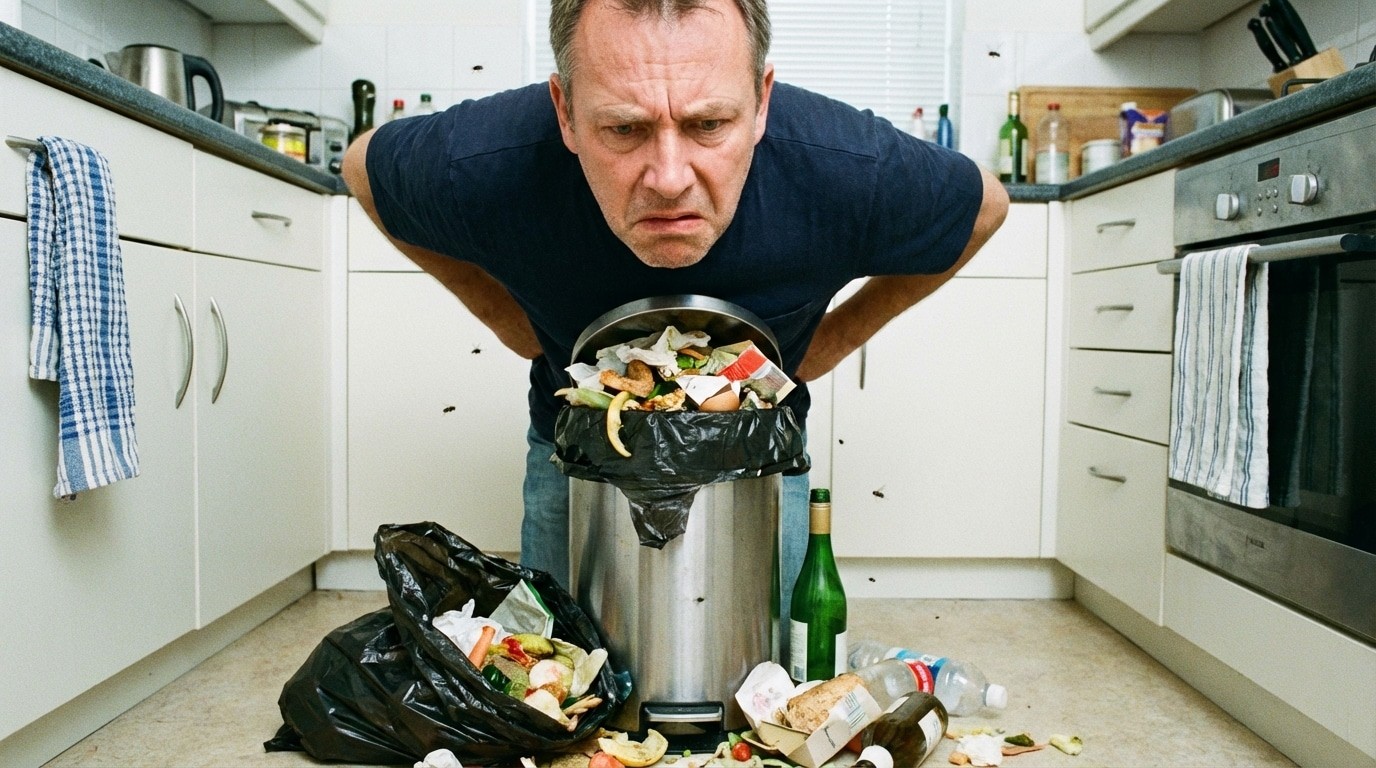
It’s Tuesday night. The bin lid bent under the pressure of a week’s worth of groceries, but the collection truck didn’t arrive until Friday. The frustration of staring at a bulging bag and wondering how a household can produce so much waste in just 120 hours has become the new normal. When spring cleaning fever finally starts tickling your brain, this constant overflow feels more like an insult than a nuisance.
Before you buy big bags or crush each item with your bare hands until the plastic tears, stop. The solution is not to make the bag bigger. It is understanding why your bin is overflowing. The culprits are often invisible, as recycling rules are not clear enough and shopping habits ignore possible waste. It is a fundamental approach that can reduce your physical and mental burden in just 7 days.
Great unpacking: look straight into the trash
Autopsy: Find the real culprit
You can’t solve a problem you refuse to face. Yes, the first step is hard, but it is non-negotiable. Place a tarp or old newspaper on the floor. Empty the current trash bag into it.
This visual showdown is like lightning. It forces you to see what you toss out on autopilot.
When you analyze these different piles of junk, you might find something surprising. In fact, there are only a handful of “final wastes” or items that cannot be recycled or composted. The rest? It is just data. It reveals your deepest spending habits.
Separate unnecessary and recyclable goods
After the pile has expanded, sort it manually. Create three different areas: compostable materials, recyclable materials (hard plastic, cardboard, metal) and actual waste.
The results are often brutal. More than half of what’s in your black bag shouldn’t be there at all. The actual amount of waste is often less than we believe. This physical shock is the trigger. The myth that trash cans should be full has been busted.
Flawed Sorting: Errors That Inflate Your Waste
Don’t say, “If in doubt, throw it away.”
One of the biggest reasons for garbage overflow is a lack of trust in local recycling guidelines. How many times have you tossed a yogurt jar or plastic wrap into your regular trash because you were worried about contaminating your trash?
Once such caution was wise. Now it’s out of date. Most cities have simplified their rules. Currently, we accept almost all packaging materials for recycling containers.
You should check your city’s specific regulations. Stop adding recyclable materials to landfills. Burning recyclable resources is a waste we can no longer afford.
Packaging That Gets Incinerated by Negligence
Laziness certainly exists. a tube of toothpaste. Aluminum tray for ready meals. An envelope with a window. These items are often thrown in the trash.
Together, these items take up a huge amount of space. Placing collection points in every room, not just the kitchen, will help you track the flow of these precious substances. The classification does not stop at the kitchen doors. Bathrooms and home offices are treasure troves of overlooked recycled materials.
Don’t throw the water away
Organic waste is a big problem in terms of weight
Garbage bags are heavy and smelly because they contain water. Peels, residues, coffee grounds and tea bags are mostly water.
It is unreasonable for the environment and energy to seal them in bags, transport them on trucks and then burn them. For example, in France, biodegradable waste still accounts for about a third of household waste.
Removing organic matter from common waste streams is the most effective way to significantly reduce volume and weight.
Adopt the Compost Reflex, Even in Apartments
Gone are the “I don’t have a garden” excuses. The compost solution multiplies. Tailored for urban life.
You can use a discreet worm bin under the sink. There may be a common compost box at the base of the building. Alternatively, your city may offer transportation services nearby.
By diverting this waste to natural processing, you can immediately reduce the weight of your daily toilet seat. In addition, by separating the organic matter, the remaining waste is “dried” and kept clean and odorless. It does not need to be emptied every two days.
The trash can is now smaller. The smell is gone. Your routine will change.
But turning down the volume is only half the battle. The habits that caused the growth in the first place still need to be addressed.
Supermarket aisles are a minefield of unnecessary materials. You go to dinner. You go out with a mountain of packaging.
Look at the cake. Individually packed. Then divide it into plastic bags. Then pack it in a cardboard box. This is a disaster that happens in a trash can. The same goes for fruit. Polystyrene trays, shrink-wrapped in plastic. When you get home, there is waste that stays under the sink for weeks.
This is your biggest enemy in the kitchen: overpacking.
Why all packaging becomes delayed waste
We need to change the way we think about shopping. When you add products to the shopping cart, you’re not just buying food. You buy the junk around it.
The cost of the wrapping paper is paid by the customer. Take it home. you keep it. Then you deal with it. This is an unnecessary logistical burden.
The best trash is the kind that never gets into your home. Prevent leaks by rejecting extra packaging at their source. Household waste management has been made easy. Don’t buy containers. Just buy the content.
Bulk parts: The secret weapon
Equipment is needed for the change. Improvisation is not allowed.
Get washable cotton bags for storing products and dry goods. Prepare a glass jar or airtight container for storage. This is your starter pack. Over time, thousands of disposable wrapping papers were exchanged. Reusable containers eliminate the need for disposable packaging.
Keep this kit in your car or bag. Never be confused again.
Buy raw materials instead of marketing
Bulk parts are now available everywhere. There are also many specialty shops and large supermarkets. Pasta, rice and lentils. Biscuits, detergent and shampoo too.
Buying in bulk means choosing product quality over pretty boxes. You are free to buy what you really need. No more throwing away half a can just because you bought the smallest size. This method combined with strict separation is a magical way to change the look of your bin.
7 Day Attack Plan
Days 1-3: Logistics first
The first three days were spent preparing. Check your locality’s recycling regulations on the official website. Reorganize your space. Place the recycling bins as close as possible to primary waste. Set up a compost bin or sealed container for storing organic waste.
The goal is simple. Making the right choice is as easy as making the wrong choice. If it takes a lot of effort to sort, you’ll stop doing it. If it’s within arm’s reach, it becomes automatic. Also find the nearest compost return point.
Days 4-7: Bleeding stops.
Act now. Make it a rule not to use non-recyclable packaging on your next shopping trip. Take advantage of bulk goods and bulk products. Use cloth bags. Choose fresh, unpackaged foods.
Is it a butcher shop or a cheese department? Bring your own container. Many stores allow this now. This is where you feel the difference. You can’t open the plastic when you get home. Management is not a problem.
New way: Toilet diet
First week results
After 7 days, the results are usually shocking. The 30 and 50 liter bags that once overflowed are now half empty. Probably three quarters empty.
Smelly waste disappears and is replaced by compost. Avoid or recycle large packaging. Save time. Reduce trips to the sidewalk. Fewer bags to buy. A cleaner kitchen.
Seeing the amount of waste reduced is a powerful motivation to continue.
Don’t fall back into old habits
The hard part hasn’t started yet. It’s continuing when you’re tired or rushed. Be kind to yourself. Aim for progress, not perfection.
Keep a few large bags in your purse or car. Plan your meals ahead of time to avoid impulse purchases of over-packaged junk. Every time you say “no” to unnecessary packaging, you win a small victory against waste.
Integrating these reactions can turn this week’s experiment into a permanent habit. Your relationship with trash changes.
That doesn’t mean it’s perfect. It’s a matter of awareness. When you see how much trash you bring home every week, you can’t ignore it. Trash cans are kept small. The kitchen is kept clean. All that’s left is practice.


