


Emojis are digital quick phrases used to add personality to text. Without these, your message will look boring. When they are around, the atmosphere changes instantly. We use them on WhatsApp, Instagram, X, Telegram, Messenger and Facebook. They help express feelings that are often missed with text alone. But not all emojis are created equal. Some carry weight. Some carry confusion. Let’s take a look at the most popular ones and what they really mean.
Smile through tears: joy
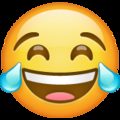
This is the one that trips people up. A tearful smile (😂) is often interpreted as pure joy. It expresses laughter so strong that it brings tears to the eyes. It’s not sadness. It’s happiness. But context is important.
In some circles, it’s seen as outdated. Older generations use it to mean “lol”. Younger generations sometimes read it as ironic. Or even mocking. Why? Because it’s overused. Do people who say “I’m tired😂” smile? Or are they venting? The meaning varies depending on the sender.
The key is to match the intensity. This emoji is very effective if you want to share a really funny moment. If you want to be discreet, it is better to choose something else.
The Thumbs Up: Approval
The thumbs up (👍) seems straightforward. It means “Yes”, “Good job” and “I agree”. But it can also feel dismissive. Imagine a boss sending a thumbs up to your detailed report. Is this what you call a “good job”? Or “I browsed it and then moved on”?
The ambiguity is real. In professional settings, it’s safer to use words. In casual chats, it’s fine. Just be aware that tone is missing. Emojis alone cannot convey enthusiasm. It conveys recognition.
The Broken Heart: Sadness
The broken heart (💔) is unambiguous. It signals pain. Loss. Disappointment. It’s used when something hurts. A breakup. A failed exam. A bad movie. It’s direct. No confusion here. But use it sparingly. Overusing it can make you seem dramatic. Or depressed. Choose your moment.
The Clapping Hands: Applause
Let’s applaud (👏) and celebrate. success. Track record. This is positive energy. But like a thumbs up, it feels like a show. “As expected👏” sounds sincere. Or irony. If you applaud someone when they fail, it’s ridiculous. If they succeed, it’s support. Read the room.
Thinking Face: Meditation
Thinking face (🤔) means pause. Because of suspicion. “Let me think about it.” It’s not just confusion. This is a proactive process. Use it when in doubt. As you consider your options. When you want to show you’re engaged. But don’t overdo it. If you always seem to be thinking, it can give the impression that you are indecisive.
Big Fire: Hype
Fire (🔥) means “heat”. “Comfortable.” “Great.” This is hype. This is energy. It is used to prepare delicious dishes. good music. nice clothes. This is a positive thing. But it’s also stylish. Even if it’s hot today, it could be cold tomorrow. stay
The face that defines a laughing fit
The standard tears of joy emoji serves a specific purpose: capturing the exact moment when the humor becomes physical. It’s not just a laugh. At this point, you might even cry from laughing so hard. People use it to indicate that a joke or situation is so funny that it causes an uncontrollable reaction. It’s the difference between breathtaking, intense laughter and milder amusement.
From 2014 to 2018, this symbol dominated text messages. Its cultural footprint was so significant that Oxford Dictionaries chose it as the 2015 word of the year.
The blushing romantic
The blushing face emoji represent a different kind of intensity. It can mean an awkward blush when falling in love or a romantic attraction.


Heart Eyes Emoji: Why It’s More Than ‘Cute’
Red hearts, yellow eyes, and floating hearts aren’t just romantic. Express your intense admiration. When something gets attention, people use it. place. meal. 1 person. It means I like this.
There is also a variation of a smiling cat face with heart-shaped eyes. It’s the same energy. A little sweeter.
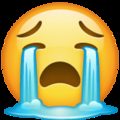
However, she seemed to be crying at the time. No tears of joy. I’m crying hard. This means sadness. suffering. Overwhelming. This is not failure for fun. Use it when you’re in trouble.
Weight of crying faces
The tear-stained face wasn’t just sadness. It has a special and heavy note. Expresses intense anxiety or deep relief from a certain situation. I wouldn’t use it if it was just a minor inconvenience. Use it when it really hurts.
Consider the context. This is the digital equivalent of saying “I’m sorry” or “I’m so sad right now.” It’s about acknowledging vulnerability. Tone is often lost in text-based media, but these emojis do the heavy lifting for you. This tells the recipient that the writer has really been influenced. Turn simple statements into emotional confessions.
Blowing kisses as social currency
And he had a look on his face like he was about to be kissed. They may look similar at first glance, but their functions are completely different. It’s not pain, it’s connection. It can be used as a greeting or as an expression of gratitude.
It’s gentler than a wave and more intimate than a thumbs up. When someone sends this emoji, they offer a digital feeling. This is a way to end a conversation on a warm note or start it on a friendly note. It bridges the gap between strangers and friends and adds warmth that text alone lacks.
Why the environment changes everything
The same face can mean two completely opposite things at different times. One means loss. Another shows love. Because of this duality, it is important to understand the semantics of emojis. They are not just decoration. They are language.
We rely on these small visual cues to convey information that words cannot convey. A crying face can be comforting. Kissing faces can bless. Both serve as a tool for navigating complex social network communications. They fill the silence. They add color to gray.
Are we using them too much? Perhaps. But without them, digital conversations can feel cold. Colder. More transactional.
The next time you write a message, think about which face you choose. Does it intuitively feel right? Or is it just a habit?

The subtle art of the kissing face
You have already sent it. Or maybe you already got it. It’s not just a hello, and it’s not necessarily a goodbye. The kissing emoji is a versatile social tool that completely changes meaning based on context and relationship. Originally it symbolized love. It bridges gaps. It says, “I trust you enough, to be soft here.”
But why does it work? Why is the simple image of pursed lips so important?
Digital communication removes noise. Irony is dead. Sincerity disappears. Emojis fill this gap. Kiss emojis often appear when words feel too heavy or formal. This is a shortcut to warmth. Used correctly, it disarms. If used incorrectly, it can feel patronizing or inappropriate.
Think about the sender. Close friends? Very funny. A romantic partner? It’s intimate. This is the hard part. There is a fine line between friendships and unprofessional overfamiliarity One person’s “Thanks for your help 😘” can be another’s “Why are you so weird?”
The context is more important than the symbol itself.
A well-placed kiss emoji can transform a transactional message into a human one.
It’s all about reading the room. Digital rooms are noisy and often misunderstood. Kissing faces tend to soften the effect and add a layer of care that is missing from the text. However, care requires calibration.
Consider the platform. This is very common on Instagram. In a Slack channel with your boss? Risky. The medium determines both the message and the purpose.
When you click on the icon, ask yourself: What do you want to convey? Feelings? Thanks? Do you want to seem approachable? Emojis don’t lie, but they don’t tell the whole truth either. This is a tip. A nudge. A little pixelated gesture that says, “I’m not just typing words. I’m here.”
Yet we use it so freely. We do not consider the evolution of digital body language. swipe it into existence. Is that enough? perhaps. Or maybe by relying on these little shortcuts we lose the nuances of real connection.
Kissing faces are still a classic. It persists. But its power lies in its ambiguity. It invites interpretation. In an always-on world, that can be important. We all just want to be understood.
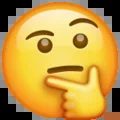
Thinking Face Emoji 🤔 The digital equivalent of raised eyebrows. It shows hesitation, doubt or deep thought. It can be used when you are not sure if something is correct or when you suspect that someone is not telling you the whole truth. This is visual shorthand for “I doubt it.”
But then there’s the surprised face.
Why a surprised expression conveys Awe and Shock
When someone uses the wide-eyed surprised emoji 😲, they don’t notice just a little inconvenience. They expressed genuine shock and surprise. This is not a polite “ah” of mild interest. It’s a response that says, “I can’t believe what I just saw.”
People often use it to describe unexpected news, a sudden twist in a story, or something that defies logic. When the brain stops processing and reacting, it captures the moment.
Correct use in conversation
Knowing when to use the surprised emoji is important. If you send it for a small favor, it will come across as sarcastic or overly dramatic. Works best together:
- The latest news that changes the status quo
- A plot twist you didn’t see coming
- A literal physical reaction to something startling
It doesn’t replace a smile 😊 or a wink 😉. These convey warmth and flirtation. The surprised face conveys a jolt to the system.
Which emoji matches your reaction?
It can be confused with shocked face 😱 or astonished face 😮. That’s the difference. Shocked expressions include fear and panic. The surprised face involves wonder or disbelief. The astonished face is closer to pure surprise, but it lacks the emotional weight of the 😲 variation.
Use the surprised emoji when something shocking happens, but it’s not necessarily scary. This is the face of enlightenment. It’s “Wait, what?” face.
The Psychology Behind the Wide Eyes
Humans are designed to react to sudden changes in their environment. The wide-eyed expression is a primitive signal. In the wild, keeping your eyes open helps you spot predators and opportunities faster. In digital communication, that same instinct turns into a signal that something is about to break the mold.
It demands attention. It tells the reader, “Stop scrolling. Look at this.”
Where it occurs most often
This emoji usually appears in the following places:
- News headlines reacting to political or economic shifts
- Social media comments on unexpected celebrity announcements
- Personal messages when friends share surprising life updates
It has become a common punctuation mark to indicate unexpected events. Without this, sentences like “He got the job” is flat. In this case, “He got the job 😲” means a struggle, a result unrelated to difficulty, or a sudden event.
A surprised expression reminds us that we can still get caught.

In other words, what is the translation of the byakuga expression symbol?
We tend to treat emojis as universal constants. A smile is a smile, right? However, if you take a closer look at how they are actually used, you will notice that the definition of a surface breaks down. Take the face with rolling eyes. On paper, it’s a sign of exasperation. Rolling your eyes when someone drops a claim that’s too crazy to accept isn’t necessarily a sign of irritation. It’s often a digital shrug. I don’t have the energy to discuss this. This shows doubt disguised as boredom.
The suggestive side of irony
Then there is the smirk. Or what some platforms call a “winky face” or “sly smile”. This is difficult. It doesn’t mean “Hello”. It has weight. Irony. Picardía—playfulness bordering on cheekiness. This is a context specific joke punctuation. If you use it wrong, you look creepy. If used correctly, it means you’re joking. The tone of the sentence changes from serious to suggestive. It’s not about what is said. It’s about what is implied.
Context is the real keyword
Treating emojis as static icons fails. They are dynamic. The meaning changes depending on who you talk to. The same eye contour might be derogatory to your boss, but it might be a gentle joke to your friend. The smirk can be flirtatious, or it can be sarcastic. There is no single definition. There is only a relationship between the sender and the receiver.
Don’t assume universal meaning
We assume a thumbs-up means “good job.” In some cultures it means “one”. For others, it’s an insult. A heart emoji can mean love, or it can just mean “I love this message.” The more we rely on these symbols instead of words, the better we must understand their fluidity. They do not replace language. They are additives. They color sentences. They don’t define it.
So the next time you roll your eyes, think about what you’re talking about. Are you bored? Or do you just want to end the conversation without doing anything? The emoji doesn’t care. It’s just a pixelated face waiting to be interpreted. And that’s where the real work happens.

Look to the page. That knowing laugh. It’s rarely just a face. It’s a flare. Depending on the conversation, a tilted head emoji can go a long way. This could mean that you are being sarcastic. Or it’s cold. Or playfully flirt. Some people give up when they feel they have advantages. The power play is cool. But the meaning changes quickly. Context is king.
An inviting face and a soft draw
Next is the wide-eyed look. His eyebrows are crooked and his mouth is small. It screamed helplessly. Or innocent. People use it to evoke sympathy. Ask for help without demanding. This is emotional leverage dressed up sweetly. You can confirm with a private message. Ask for snacks in a group chat. It works because it defies logic. A direct attack on the nurturing instinct.

“Pleading Face”: Not just sadness
Pleading face Emoji (🥺) is not a cry for help. This is not a sign that you have a problem. It is a tool for softening demands or expressing deep feelings. People use it to convey a sense of innocence. “I want this, is that okay?” without sounding too loud. It triggers a protective instinct in the reader. Big eyes make the sender look vulnerable. This vulnerability is the key to its power.
Think about how you ask for something. A text message that says “send me a file” is cold. The text “Send me a file 🥺” feels different. It means waiting patiently. It adds emotional weight to simple commands. It turns a request into a petition. That’s why it also works well in romantic situations. This shows that you care deeply. This shows that your heart is open.
Emojis are effective because they mimic the facial expressions of someone hoping for kindness.
Happy Face: Pure Joy
In contrast, the smiling face emoji represents genuine happiness. It’s bright. It’s very simple. There is no underlying tension in a pleading face. This shows that things are fine. It’s a stamp of approval. Use when sharing good news. Use to lighten the conversation. It’s a digital version of a smile.
Why do we need so many variations? Because the writing has no tone. Without these visual cues, your message can come across as off-putting. Happy faces bring warmth. This helps prevent misunderstandings. You can maintain positive emotions. But it’s not as subtle as the pleading face. It doesn’t ask for anything. It just celebrates what is.
Which one should you use? It depends on your goals. If you want to connect emotionally, use the pleading face. If you want to share your happiness, use a happy face. This choice changes the entire dynamic of the conversation.

Pleasure. Thanks. enthusiasm. This is a simple yellow dial reading. However, the meaning changes depending on the person you are talking to and the situation. Sometimes it is the light of true happiness. They may also smile shyly when caught. In some parts of the internet, this is pure satire. Hope you enjoy reading it. They roll their eyes after reading it.
Carita Sonriente Con Corazones: Enamoramiento
When a smile becomes romantic
The heart and eye emoji is the digital equivalent of a sigh. This is a sign of falling in love. desire. worship. It’s not just about liking something. It’s about sticking to it. People use this word when they see someone they love, a new puppy, or an incredibly delicious looking pizza. The pupil is replaced by a heart, indicating that everything you are looking at is in your field of vision.
This is not a subtle move. It’s noisy. It’s very direct. “I want to consume it visually,” he says. It’s usually reserved for romance, but the lines are blurred. Fans can use it for celebrities. Food bloggers might use it to make hamburgers. But the core feeling remains the same. It is intense and overwhelming positivity.
Reasons to keep using the face
I don’t use these icons because I don’t have a vocabulary. I use these because the text is flat. Without tone and facial cues, your writing can easily be misinterpreted as cold or aggressive. Emoji fills this gap. Add texture. They made their intentions clear.
A smiley face with a heart is more than just a decoration. This is a flare. This tells the recipient that the interaction is safe. It’s fun. It is full of emotions. Whether the mood is romantic or just an expression of gratitude for a good meal, emoticons play a big role. This eliminates the need to write, “I am currently experiencing a heightened state of arousal and desire.”
Which one is better? Is it a shy smile or a look of anxiety? It depends on the stake. Call for conversation. The other ends with you overwhelming the recipient with your charm. Both are valid. Both are messed up. Maybe that’s why we keep sending them.

A smiley face with a heart is more than just a happy doodle. This is a digital version of a love letter. 💌
Used when emotions are strong enough to cut with a knife. Or a spoon. It is usually done between people who are dating each other or at least pretending to be dating for the sake of their Instagram followers. It shows that the sender is desperate to bet. Let’s get romantically involved. Charmed ~3 Witch Sisters~
This is visual shorthand for “I think of you when I brush my teeth.”
And there is another side too. The face with tears of sadness. This is not just a hint of depression. This is a visual representation of a heavy chest. A sigh that lasts three seconds too long. This is what happens when your coffee goes cold, your Wi-Fi goes down, and your heart breaks for the first time in three years.
We use it to say: “I am mourning something real.” It’s not a meme. Not a troll. real sadness. The kind that gets stuck in your throat.
These two emojis are at opposite ends of the emotional spectrum. One is warm. The other is cold. Both are honest.
😔 Why emojis mean more than sadness
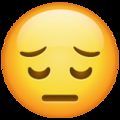
😔 This look is very calm. Nothing screams despair as loudly as a crying emoji 😭 or 😢. Instead, it sits quietly next to you. It refers to a certain inner heaviness.
People often use this thoughtful expression to express melancholy. It doesn’t necessarily involve intense sadness. Sometimes you just have a heavy heart. Or feeling lonely when it’s late at night. Or maybe it’s just quiet depression that doesn’t have the energy to express bigger emotions.
It is also a mask of regret. you made a choice. But things don’t go as you expected. Now you’re staring at the ceiling and wondering what happened. 😔 This expression captures a moment of painful reflection.
Dissatisfaction and disappointment
This emoji is also great for frustration. I’m not the type to get angry and throw punches. A tired guy. When you fail despite your best efforts. When you feel like your life is full of little disappointments.
Use when you feel unsatisfied with a situation. Maybe you’re waiting for news that hasn’t come yet. Or maybe you’re stuck in a routine that’s exhausting. 😔 The face that says, “It’s not okay, but I’m trying my best.”
Thoughtful point of view
Don’t miss the thoughtful side of this emoji. It can indicate deep reflection. Someone is struggling with hard truths. They are considering their options. They’re sad, but they’re also thinking.
This is a polite way of showing vulnerability. Evokes empathy without a solution. This is the digital equivalent of a sigh.
So if you see someone posting 😔, don’t assume they’re falling apart. They might just carry heavy loads. Sometimes that’s enough to stop.

An upside down face is often mistaken for pure joy. it is not.
This is much quieter. Nostalgic feelings. Weak melancholy. Maybe it’s just a bad hair day recorded in the code.
But let’s look at the crying faces first.
When tears exceed sadness
A plain crying emoji doesn’t necessarily mean someone is devastated. Sometimes it’s just a nuisance. A special and shocking case that brought tears to my eyes. This is moderate sadness. It’s not as strong as the tears rolling down her cheeks.
Think of it as a sigh. Digital Exhalation.
If you want to know an emoji that can express sadness in a gentle way without being too dramatic, this is usually your first choice. This indicates pain and does not require intervention.
Ghostface: More than a face
And then there’s the grimace.
I am often referred to as “the grinner”.
People use it to shame themselves. Or secondary shame. Or when something really embarrassing happens, your body vibrates.
This is not hate. This is not pain.
It’s unpleasant.
Please open your mouth. I gritted my teeth. I closed my eyes. This is what it looks like when a joke goes wrong. Or when you find yourself texting your boss instead of your partner.
Why these are important in digital communication
The text has no tone.
We don’t have micro facial expressions.
So I borrowed these little hieroglyphs to fill in the gaps.
They act as emotional punctuation. Without them, the words “I’m fine” would sound cold. To them it sounds like a kind of dismissal.
“Hemoji are more than decorations; they are important grammatical markers in informal digital speech.”
Consider the difference between “That’s a shame” and “That’s a shame😢”.
The first is clinical. Another meaning is empathy.
Or consider “I can’t believe I did that” and “I can’t believe I did that.”
Grimacing adds a layer of shame. If you just listen to the words, it sounds surprising. Emojis add moral weight.
The environment decides everything
Frowning is not necessarily a negative thing.
Sometimes it represents excitement, anticipation, or trying to laugh through tears.
Its meaning changes completely depending on the situation.
If someone sends you this smiley after sharing good news, chances are you’re very happy.
If someone sends you this emoji after you’ve shared a mistake, they’re probably embarrassed.
See the scene clearly. I mean, just look at the mood of the conversation.
A fine line between mild sadness and intense confusion can help keep the conversation going even without face-to-face interaction. We use these symbols to say, “I feel this way, and I want you to feel exactly how much weight these feelings carry.”
Not all emotions are equal.

Frowning confusion
If you’ve ever texted your face 😬, you’re more than just dramatic. It sends certain signals. This emoji is not meant to be laughed at. This is because when things change, we have sharp and distorted emotions. It captures the nervous excitement, the heat of shame, or the quiet fear of guilt. This is the visual equivalent of closing your eyes and praying for the awkward moment to pass quickly. We use this word when we feel uncomfortable, say the wrong thing, or stare down the barrel of social fear. This is short for “It sucks, but I’m still here.”
A smile means you are in a good mood
Then a smiley face appears. This is the default setting for digital conversations. But it’s not just about happiness. This is a sign of good mental health. When someone has a normal smile, it usually indicates that they are in a positive mood. This is an easy way to say that things are okay or even great. It’s lighter than Ghostface. The feeling of tension is missing. It is not a closed retreat, but an open door.

Express your good mood with a smile. This is the digital equivalent of a nod, a wink or a quick smile. It says, “I am happy.” But here’s a twist, you can flip the same yellow circle. It can be used for laughs. To show sarcasm. It acts as a shield against cynicism.
Rolling your eyes means a lot
And there’s one more thing. Those whose eyes look up. Or cancel completely.
This has nothing to do with happiness. It’s about fatigue. This is a common sign of boredom. When someone pulls some bullshit and you respond like that, it’s like saying, “I’ve heard that a thousand times.” It captures a certain moment of spiritual liberation.
Why is this important? Because the tone of the text is missing. Without sound we are blind. These little graphics fill in the gaps. They teach readers how to interpret words.
Which would you choose?
- Use a smile when you want to brighten things up.
- Use your eyes when you want to end the conversation.
This is a simple binary file. But it defines the relationship.

The upturned face makes it perfect for seeking stimulation. Used in chat threads to express boredom, frustration or quiet displeasure. Some people tend to be sarcastic or joking. But there is another symbol that has a completely different weight.
What does the starry eyes emoji mean?
The shade changes instantly when the eyes are replaced with stars. It’s not about frustration, it’s about excitement. Star Eyes Emoji conveys true passion. It suggests that something dazzles and expresses admiration. It can also be used for famous people, achievements or even really good food.
A starry eye means that something has completely captured your attention. This is an acronym that visually expresses emotions.
People use this to show that they like someone. It can be romantic, work-related or new equipment. What is important is the strength of the positive response. Unlike a smile and a shrug, this expression requires energy.
Differences from Other Reactions
You might wonder how this differs from the heart-eyes emoji. They overlap. Both express love and strong affection. But the stars add respect. It is not a feeling, but rather surprise. The heart warms and the stars shine brighter.
What scenarios does it suit in digital communication? It appears when someone shares good news. It appears when you respond to a wonderful photo. It comes out when you want to emphasize that you truly admire something. It is a way to recognize excitement in others.
Why it matters in real life
The tone of the writing is often lost. Just “good” can feel boring. Adding this emoji changes the message. Add emphasis. This shows that you are paying attention. The interaction feels more dynamic. It means commitment for content producers and brands. For friends, it’s an easy way to share happiness.
Star eyes are more than just decorations. They are tools. They help bridge the gap between digital text and human emotions. They make the abstract concrete.

The star-struck face don’t just belong to celebrities. It signals a certain, pure and sincere form of enthusiasm. When someone sends it, they say they are mesmerized by what just happened or genuinely impressed. It’s a digital way of saying “Wow, I really into this”. The emotion is direct. It cuts through the noise.
What does the hugging emoji actually mean?
Then there is the hugging face. Hands crossed over the chest? Not exactly. It’s a comfort gesture.
This emoji represents a warm hug. It is used to offer support, share intimate moments, and say “I’m here for you” without writing a full paragraph. People use it when the conversation becomes emotional. When a friend shares good news or when you want to acknowledge someone’s struggle with empathy rather than just sympathy.
It’s softer than the star eyes. Less flashy. More intimate.
Why do we need so many gestures? Maybe it’s because the text has no tone. Hugging faces bring warmth to a cold screen. This bridges the gap between the digital detachment and the human connection. Words are not always needed. In some cases, the digital arms can tell you even more.

It also seems to be an expression of gratitude. It looks like a prayer. But in digital dictionaries, the “hands together” emoji is actually a virtual hug. 🤗
This is heat. This is kindness. This is support. When you send it, you express your feelings of love. This has nothing to do with religion. It’s a story about human relationships in a text-based world. Used to express the feeling of “thank you”. Use it to comfort someone. It bridges the gap between cold pixels and true empathy.
And faces look down on you. In fact, his face is upside down.
Inversion is the king of irony. 🙃
This shows that exactly what you said is not true. This is the visual equivalent of blinking too long. Encourage the reader to look closely. It adds an ironic edge to this argument. Serious comments turn into jokes. Without it, sarcasm disappears into the chat bubble. This makes the tone clearer.

The upside-down smiley face is one of those digital symbols that has a dual role. When the writing is plain, this is a quick way to express irony or satire. By using it, you can soften your words and tell the other person that you are not serious. Visually, this is the equivalent of saying, “I’m just kidding.”
But there is another side to emoji. Sweat drop emojis have a completely different weight. This indicates stress or a difficult situation. You can send it when you are in a hurry or some situation forces you.
The two symbols may have no connection to each other. One side is about a tone. The second is about tension. However, both can help clarify meaning in a medium where the tone does not change. We trust that they will fill the gaps.
Interpretation of the irony of upside-down face
If you write an upside down smiley, you change the reader’s interpretation. Regular emojis can be taken literally. This raises even more doubts. This indicates that you may have said something stupid on purpose.
Perfect for dry humor. Mark this comment as a joke. Without it, satire often fails to achieve its purpose. Visual cues act as guardrails. This prevents conversations from going off track and misunderstandings.
The stress behind the sweat drop
The sweaty expression tells a different story. It’s not about mocking, it’s about vulnerability. Used to indicate that you are feeling overwhelmed. It captures the moment of panic when a deadline approaches or problems pile up.
People use it to express a sense of relief after a near miss or to show that they are working hard under pressure. It’s short for anxiety. It means “I can’t handle it well”. It evokes more empathy than criticism.
Choosing the Right Signal in a Text
You need to read the room. Context is everything. Upside-down faces work best with friends who understand your humor. In a professional environment, this can backfire. Sweat droplets are more universal. It represents a moment of human struggle.
Both emojis are useful in digital communication. It adds nuances that plain text does not have. Avoid misunderstandings. They keep conversations grounded.
The Evolution of Digital Expression
We are constantly changing our language. New symbols are created to meet special needs. An upside down face addresses the need for irony. Sweat drops addresses the need for stress. They are tools.
Use them to connect. Just to clarify. To show that we are human. They might seem small. But they are shaping the way we interact online. They change the tone of the conversation. They are more important than we think.
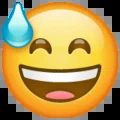
The steaming emoji: what it really means when you’re angry
You’ve seen it before. Square face, eyes closed, mouth flat or wrinkled and steam coming from the ears. This is the emoji you use when you’re not just angry, but very angry. People use this word to express frustration, anger and irritation, not necessarily to shout. This is visual shorthand for “lost cool”.
Why do they stay together? Because anger is often powerful. Steam means that the pressure inside the tank continues to build until it needs to be emptied. what about your face This is the container. If the pressure is too high, steam will come out. Applying simple physics to digital communications.
Unlike other signs of frustration. The sweaty smile made me feel awkward. This is hate. His face was red with pure anger. Its wet face sat in a gray area of angry determination. You didn’t scream. I just did it.
Use when someone repeats the mistake you fixed three times. Or if your Wi-Fi network goes offline during an important download. Or when your boss asks you to report by 5:00 even though it’s 4:55. It conveys warmth without the actual heat of anger.
Is it always negative? sometimes. But most importantly, it’s a way to digitally unwind without ruining your career. This is safe anger. guided steam.

The hidden meaning of #Vape emojis and shyness
It begins with a face that seems to be holding its breath before the storm. Eyes shut tight. A furrowed brow. Steam erupted from the nostrils. Most people see this and think anger. Or irritated. You know, the classic “enough is enough” response. But there is another layer.
Quieter, more awkward.
Sometimes it’s not anger at all.
Arrogance can mask indifference.
Or frustration when there is nowhere to go.
Why the Vape emoji doesn’t just express anger
The emoji in question, often depicted as a face exhaling steam or vapor, is an visual shorthand for a strong emotion. However, it floats between several states due to the lack of specific tonal context. It could mean that you are boiling. Or it could be a sign that you’re too proud to admit you are upset. Ambiguity is the key. This allows the sender to express intensity without sticking to a specific narrative.
This duality is important in digital communication. Text strips away body language. Emojis try to fill this gap. If you use a face that spews steam, you’re borrowing the visual language of a kettle or a dragon. You are borrowing the concept of pressure. This pressure can be internal. It may be the result of someone else’s actions. It is rarely neutral.
Transition to shyness: Covering the mouth
Then there is the face covering its mouth. Put your hand to your lips. Eyes wide or looking away. This is a universal symbol of shyness. This is often a reaction to shyness or surprise. This gesture is ancient. Long before digital interfaces, people covered their mouths when they felt exposed. fake. The error has been published. Instincts are the source of hidden emotions. To make yourself smaller.
In messaging apps, this emoji serves as a softener. “I sincerely feel this way, but I’m not yet at the point where I can say it out loud,” It says, This is the pause button. A way to acknowledge a feeling without fully engaging with it.
How to interpret the difference
What emotions you project or interpret depends on the situation.
- Exhaled Steam: Look at what came before it. Was there a conflict? A joke that fell flat? If the conversation is intense, it’s probably anger. If the conversation was playful and the sender responded gently, it might be playful arrogance. If the sender is typically stoic, it might be suppressed frustration.
- Cover your mouth with your hand: Look at the preceding message. Did someone share a secret? Did a mistake happen? If the tone is light, it can be a sign of surprise or playful shyness. If the tone is heavy, you may feel embarrassed or shame.
Why this matters for digital communication
We rely on these small visual cues to bridge the gap between pixels and people. Without these, text is flat. This is easy to misunderstand. Even simple sentences can be read coldly. Emojis add warmth. Or chill. Or both.
The Steam emoji reminds us that emotions are often a byproduct of pressure. Covering your mouth with your hand is a reminder that vulnerability is often hidden. Both are human. Both are messy.
“Emojis are not
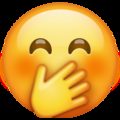
The blush that betrays us: decoding of the shy face
Do you know that emoji? It is the face of a person with red cheeks, wrinkled eyes and a nervous hand covering his mouth. This is the blushing emoji (😊), especially the hand-to-mouth variation. This is more than just a pretty picture. This is a complex signal in a world that strips away our body language.
We use it when we are embarrassed. When we’re shy. When you say something a little too honestly in public. But why is it the default mode of social anxiety?
The design is simple, but the meaning is heavy. Red cheeks mimic a physiological response: the flow of blood to the face. Our brains recognize that as vulnerability. It’s a universal cue: “I feel like I’m being watched, but I don’t know how to deal with it.” The hands over the mouth shows restraint. A desire to take back words. Sudden humility.
This is more than just a shame. This is about connection. Digital text lacks intonation. Red cheeks add warmth. Make your sentences softer. Show that you feel that way, but you are a little embarrassed to say it. That exposure invites empathy in the reader. It breaks down walls.
Think about the last time you used it. Probably after a joke that didn’t quite land. Or a compliment that felt too direct. Or maybe it’s just to soften the request. It’s a relationship awkwardness tool and there’s no real danger of confusion.
The blushing emoji acts as a digital pressure valve that prevents excessive tension from creeping into the conversation.
We have normalized this pink color. It became shorthand for a host of subtle emotions: flattery, guilt, playful deception, and even romantic interest. It has a wide variety of uses. Too versatile, perhaps. If used excessively, it can dilute meaning. But when used correctly, it can adds a layer of humanity that text alone lacks.
What’s interesting is how we’ve taken the facial expression that signals distress and turned it into a social lubricant. We wear our embarrassment like a badge of honor now. Or at least show it as casually as a smile.

Heavy exhalation emoji and its signals
The sighing face 😮💨 represents closing the eyes, exhaling and a mouth that looks relieved or tired. Most people use this emoji to indicate that they have survived a stressful situation. It’s a digital version of the feeling you get when you lean back in your chair and finally letting go.
Dizziness and fatigue: another layer of meaning
In addition to relief, this emoji often expresses genuine tiredness. When you feel physically exhausted or mentally foggy, the exhaled breath mirrors that feeling. It captures the moment when you just need to pause.

“Looks like it’s already over”
When the brain stops processing, people adopt a certain facial expression. It seemed like the look of a mid-fall or the look of mid-binge. His eyes wandered around. The corners of the mouth were twisted and could not be called fully smiling nor completely angular. The tongue was slightly out. It indicates a state of mind saturation.
This emoji doesn’t just mean being drunk. This is a superficial interpretation. Deeper and more frequent use is associated with fatigue. Or shameful things. Or to that flavor of embarrassment that makes you want to melt into the floor.
It expresses the feeling that there is too much information or too little energy to process it. Digitally, it’s the same as sitting in a chair and letting your jaw go slack.
Why it can be used as a universal signal
Use when complexity overwhelms you. When code doesn’t compile, when math problems can’t be solved, when social interaction goes wrong beyond repair. This is a non-verbal way of saying “The processor has crashed”.
This also applies to shame. you made a mistake. It’s big. The kind that makes your ears burn. Instead of writing a long apology, you drop this face. It conveys the physical sensation of heat rising in your cheeks. This is a visual shorthand for regret.
Context is important
Where do you see it most often?
- When someone points out a logical fallacy on a technical forum.
- When a friend shares shocking, sad or just weird news in a group chat.
- Expressed as a disbelieving reaction to bad news.
It’s that gray area when you realize you’ve made a fundamental mistake or when the weight of the day finally catches up with you.
Subtle differences in expressions
Watch your tongue. This is not a playful stick-out. This is a limp, uncontrolled extension. This indicates a loss of motor control. Loss of dignity. That’s why it’s perfect for embarrassment. I feel like I’ve lost control of my body, words, and image.
where are the eyes? They are not focused on anything. They are internal. Or staring at a void. This is the key to versatility. It can mean “I’m tired”, “I’m sorry” or “I can’t believe it”. Ambiguity is the key. It encourages the recipient to project their own interpretation onto their face.
It is a face that cannot be expressed in words. When you’re too exhausted to explain or too humiliated to defend yourself. Just leave it hanging there. The result of digital shrug with consequences.

The melting face emoji doesn’t just warm people up. This is short for emotional overload. Yes, I give up when it’s too painful, but I give up when embarrassment hits. Those are the moments when an awkward interaction makes you want to dissolve into the floor. Or maybe you’ve just finished. The energy is gone. It can even be sarcastic. When you’re telling a dry joke about a ridiculous situation, this face shows that you’re watching something absurdity burn.
Carita Temblorosa: Strong feelings
Then there is the trembling face. 🥶
This is different. It does not melt due to social pressure or humidity. It’s all about shock. fear. Or maybe physical cold. You see it when something unexpected happens and your brain freezes. This is the visual equivalent of a gasp. This shows that the situation has crossed a line from uncomfortable to genuinely startling.
Why use these specific faces? Because words in digital text often fail. It’s hard to convey tone in a chat bubble. Simply saying “I’m tired” may sound like a complaint. Add to that the melting face and it becomes a shared experience of exhaustion. “This meeting could last forever 🫠” reads differently than “this meeting could last forever”.
A trembling face has a similar effect. The words “did you see the news? 🥶” add a visceral reaction that words alone cannot capture. It’s immediate. It’s human. It bridges the gap between typing and feeling.
We rely on these visuals to fill the blanks of emotion. These act as tonal markers. Without these, digital communication can seem flat. Worse, it’s hostile. The right emoji disarms the reader. “I’m not attacking you. I’m just sharing my feelings.”
But they are not universal. Context matters. A melting face in a professional email can come across as unprofessional. In a text to a friend, it’s essential. A trembling face might be too dramatic for a little surprise. It’s set for a big shocks. The type that makes you want to drop your phone.
So the next time you write a reaction, think about how you actually feel. Is it the slow drip of exhaustion? Or was it a sharp jolt of surprise? Pick the face that matches. The message becomes clearer. It strengthens the connection.
Does it really matter which one you choose? Maybe not. But it helps. Especially when words are not enough.

The origin of the #shakeface emoji and salute
The trembling face emoji is more than just a digital tickle. It is an instinctive reaction to shock. Think of the physical sensation when an elevator suddenly drops, the sudden braking of a car, or the stomach ache when you hear devastating news. This can be captured by emojis. Your body is saying, “Everything is wrong,” or at least, “Everything is vibrating.”
People use it to express confusion. “Hurry” is not only overwhelming, but it also shocks us “deep down.” It also works in moments of complete disbelief. This is a symbol of when something so ridiculous and unexpected happens that your brain short-circuits. It can also replace actual nausea. Do you feel dizzy or have blurred vision when you spin too fast? Yes, it is included.
Where did the military salute come from?
And there is also the other side of the coin. salute. It’s crisp. It’s respectful. It has been a staple of military culture for centuries. But why do we do this?
The most common explanation comes from the Middle Ages. The helmeted knight needs a way to show that they are not a threat. They removed their masks to reveal their faces. This simple act means peace and acceptance. The motion evolved over time. Instead of removing their masks, the soldiers began to put their gloved hands on their foreheads.
It’s not just a visibility issue. It was about status. In feudal times, lower-ranking soldiers covered their faces or bowed deeply to their superiors. The salute became a standardized sign of respect at all levels. It stripped away the ambiguity of intent. Raising a hand means: *I acknowledge your authority, and I will not draw my weapon. *
Today, instead of hiding the face, hierarchy and discipline are recognized. This is a non-verbal agreement of mutual respect within the chain of command. But what about outside the military? It is still used to show respect. To flags. To anthems. To figures of authority.
Tension between chaos and order
You can see the comparison here. One emoji represents chaos. Loss of control. The unexpected impact. The second represents order. Discipline. Controlled, practiced movements.
Why is this important? Because we live in a world that oscillates between the two. I want a sense of stability in my salute. Predictability. But we are constantly exposed to the shaking face. Unexpected news. The sudden change.
The salute tries to impose structure to chaos. It says “I’m here”. I am respectful. I am under control. Even if everything around us falls apart, we maintain the gesture. It’s a small act of defiance against disorder.
But sometimes the shaking wins. The vibration becomes too strong. The impact is too heavy. And all you can do is shudder.
Which way are you leaning today? Sharp salute or shaking hands? Probably both. In waves.
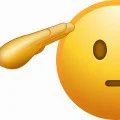
Smileys are usually displayed in a friendly, respectful, and sometimes funny way to express agreement, approval, or commitment to something. In addition to the official definitions, you will also find various real-life application scenarios. It combines ease of use, a good feel and a slightly formal or comedic tone. It’s like saying “mission accomplished” or “free to use” without sounding too formal or too serious.
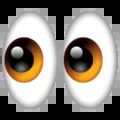
Eyes: Warning
This gesture is more than military courtesy. In digital communication, it means preparation. It says, “I’m here and I’m listening.” Suitable for both professional work and casual conversation. The key is balance. Being too serious can give the impression that your boss demands obedience. If it’s too casual, it loses its effect. The greeting face is a perfect fit for this line. Reinforce the command while maintaining a light atmosphere. You can use it when a friend asks you out for coffee or when a colleague shares a file with you. Confirm reception. It confirms the intention. It’s a digital nod with a special feel.
The Kiss Mark Emoji: more than a gesture
The kiss mark emoji is more than just a doodle. It’s a signal. A specific kind of gratitude wrapped in a graphic. People use it to thank someone for something thoughtful, usually something small and personal. It’s not “Thank you for your help.” It’s “thanks for noticing me.”
In some cases, it suggests affection. In others, it’s purely platonic appreciation. The difference is in the relationship. Between close friends, it’s warm. In a professional environment, it can be risky. The lines blur. That’s why it is usually reserved for messages between people who already share a bond.
The image itself is simple. A small red mark in the shape of a kiss. Clean. Direct. There is no hesitation in the design and there are many ways to use it. Some people use it to end a conversation on a lighter note. Some people put it in the middle of the thread to emphasize sincerity. It’s a tone setter.
Think of it as a digital nod. Quick. Friendly. It says you’re paying attention. And you care enough to acknowledge it with something more than a generic “thumbs up.”

Why kissing emojis are important in digital communication
Kissing Face Emoji (💋) is more than just a cute addition to your text. It refers to sending a kiss to a specific person out of romantic love or simple gratitude. In a world where digital communication can feel cold and alienating, this little graphic bridges the gap. It adds warmth. Express your love without long explanations.
Clicking on the red lips icon actually mimics a physical gesture. You can also add a kiss on the cheek, a blow-kiss or a personal sign-off. It’s not for everyone, but it’s important for those who use it. It says, “I care.” It says “Thank you “. It says thinking of you.
This emoji has become a staple of modern digital etiquette. It is used in professional settings to soften a message, in private conversations to express gratitude, and in romantic relationships to express desire. Its versatility is its strength. No special relationship status is required. It only takes a moment to connect.
The evolution of digital emotions
The rise of kissing emojis reflects a broader shift in the way we express emotions online. Early text-based communication was limited to words and punctuation. A period could mean finality. An exclamation mark can express urgency. But emojis bring new nuances. Users can convey tone and intentions without speaking.
In particular, the kissing face emoji has evolved. At first it was a simple red shape on a white background. A variety of skin tones and styles are available to reflect the diversity of users. This development is not just about beauty. It’s about inclusiveness. In this way, everyone can express themselves and their feelings accurately.
In digital conversations, context is everything. A kissy face sent to a colleague can mean gratitude for a job well done. Sent to a partner can mean that they love you. Sending it to a friend can mean I miss you. The meaning changes depending on the relationship and the moment. This fluidity is what makes it so powerful.
How to use the kissing face emoji effectively
To use the kissing emoji effectively, you need to understand social cues. This is not a one-size-fits-all solution. Here are some guidelines:
- Be aware of your audience : Does this fit the relationship? In some professional settings this may be too informal. This is often done in private chats.
- Consider the context : Is the message serious? Kissing the face can undermine the gravity. It can add a playful touch to a fun conversation.
- Balance is key : Don’t overdo it. One or two per conversation can be very effective. Too many may seem disingenuous.
Kissing face emoji is a tool. Like any tool, it’s only as good as the hands that use it. Use it wisely. Use it thoughtfully. Remember, this is more than just sending a kiss. It’s about connection.
The psychology behind digital gestures
Why do we rely on emoticons to express emotions? The answer lies in the limitations of the text. Words alone can be easily misunderstood. If the tone is not clear, the simple word “thank you” can be interpreted as sarcasm.

We’ve already covered the high-energy celebration of the raised hands 🙌. That gesture is pure dopamine. It’s victory. It’s relief. It’s “Finally fixed this bug”. But not every interaction requires a standing ovation. Sometimes you need something a little quieter. Something precise. This is where “good” hands come into play.
The Anatomy of Approval
A “good” sign is deceptively simple. Thumb and index finger form a circle. The other three fingers fan out. It’s a geometric statement of completeness. However, its meaning changes depending on the person looking at it and the perspective.
In the digital realm, it’s shorthand for approval. You send a link. Your friend responds with a 👍 or “ok” gesture. It means “I saw it”. It means “This works”. It’s low-friction validation. You don’t need to spend an entire paragraph explaining why you liked this article. Just a circle. Done.
But when you leave the screen, the rules change.
Where the “ok” character fails
You might think that the “OK” gesture is universal. However, it is not. In Japan, for example, it traditionally symbolizes money. Coins are round. The gesture mimics the shape of a yen coin. It’s not about approval. It’s about cash.
Joissakin osissa Brasiliaa ja Turkia sama ympyrä voi olla loukkaava. It’s crude. It’s aggressive. If you use this to get the same understanding with your local mechanic or shop owner, the conversation may end before it even begins.
This isn’t just about cultural trivia. It’s about miscommunication. A gesture intended to soothe can trigger anger. “Kyllä”-merkki voi tarkoittaa “ei” tai olla loukkaava. Your intention is clear. It is not at the reception.
Why accuracy is important in digital communication
We rely on emoticons to fill in the tonal gaps of the past. The text is smooth. Emojis add weight. But they also add ambiguity. The “OK” hand borrows a physical gesture and converts it into pixels. Does the pixel version have the same burden as the live-action version?
Usually not. In social media, the circle 👌 has become synonymous with the word “good”. This is a positive thing. It is very safe. But the underlying history remains. This gesture is ancient. Modern digital usage has a thin meaning over a deep cultural context.
The lesson is that the use of emojis should not be avoided. It’s all about knowing the right time. If you’re speaking to a global audience, it’s safer to raise your hand 🙌. they are celebrating. they do not judge. The “OK” hand is a tool. Use with caution. Or don’t use it at all. There are many other ways to say yes.
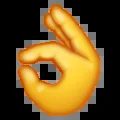
The “OK” gesture (thumb and forefinger touching to form a circle, and the other three fingers pointing upwards) is generally considered a sign of approval with the thumb. It means agreement, acceptance, or that something is just “okay.” But context is everything. In some parts of the world, the same gesture is not a sign of approval. It is an insult.
Consider the Brazilian or Turkish gesture. In Brazil, this is roughly equivalent to America’s middle finger. In Turkey this is very offensive and implies that someone is worthless or gay. In French, depending on how you interpret it, it can mean “zero” or “worthless”. The intention may have been harmless, but the reception is anything but.
Then there’s the “praying hands” emoji. It is commonly used to mean “thank you”, “thank you” or a prayer, but it is also mired in cultural conflicts. In some cases, it can be seen as pleading or begging. In other cases, it’s a polite request. However, in some Asian cultures, joining hands can also mean “sorry” or “apology”. Although the nuances are subtle, there is a big difference between apologizing and asking for help.
What about the “call me” gesture? Extend your thumb and little finger and bend your other fingers. In America it means telephone. In Italy it is a question mark. In Spain, it can mean “zero.” In Brazil, it’s the same as the “OK” circle gesture, but with the little finger extended. The forms are almost the same, but the meanings are completely different.
Why small actions mean big things
Gestures are closely related to local culture, history and social norms. What is polite behavior in one place may be provocative in another. A gesture that feels natural to you may be offensive or disrespectful to someone else. This has nothing to do with evil. It’s about misalignment.
Travelers often miss these tips. Their intentions are good. They gesture freely. They end up insulting people who don’t speak their language but understand their body language perfectly. The result? Awkward moments, confused looks, or worse.
How to avoid cultural mistakes
If you want to travel or interact with another culture, observe first. Observe the gestures of the locals. Copy their behavior if necessary. When in doubt, keep it simple. A nod. A smile. A wave. These are safer than complex gestures.
Also consider the context. A harmless gesture in a casual chat may not be appropriate in a formal environment. Tone, context and audience are just as important as the gesture itself.
Broader meaning
We live in a globalized world. We communicate across borders more often than ever before. However, globalization has not eliminated cultural differences. it highlights them. Hand gestures are a microcosm of that challenge. They remind us that communication is more than just words. It’s body, context, and culture woven together.
So the next time you raise your hand to make a gesture, pause. Think about who you’re talking to. Where they’re from. What that gesture might mean to them. It’s a small thing. But it can make a big difference.
Final thoughts
Gestures are powerful. You can bridge gaps or build walls. In an increasingly connected world

Different faces of praying hands
The praying hands emoji palms together is a linguistic chameleon. There is more than one meaning. It depends on where you are and who you are talking to. In Latin America and the United States, it is often used as a digital prayer or asking for help. Think of this as the emoji equivalent of clasping your hands and says “please.” In Japan, it takes on a different hue. It means gratitude or apology. Sometimes it symbolizes the practice of yoga. It’s not just about gestures. It’s about understanding how culture shapes digital communication.
Thumbs Up: Approval
Then there’s the thumbs up. Pretty simple, right? Thumbs up. People interpret this as approval. But the problem is that it is not universal. In America it means “good job” or “I agree”. In some parts of the Middle East and West Africa, this may be an insult. That’s right. The same gesture that shows consent in one country can be a sign of disrespect in another. This is not a new problem. It’s been around since emojis became popular. However, as digital communication grows, so does the risk of misunderstandings.
Why is this important? Because we talk to each other more than ever before. We do this with symbols that represent different things in different places.

We’ve all used it. good. This is a common shorthand for recognition, a friendly nod in the form of a number, or a simple way of saying “well done”. But what happens if you flip the script? What if you pull your thumb in and squeeze your fingers tight? The meaning can vary dramatically from agreement to aggression.
The fist: a symbol of unity or violence?
That clenched fist is a loaded icon. The message changes completely depending on who has it and where they are holding it. In some cases, it is a symbol of unity. A raised fist can represent resistance, strength, or collective power. It’s a gesture that says, “We are here and we stand together.”
But look at the context.
The same fist can also be used as a weapon in a street fight. It indicates a threat. May cause physical harm. The difference lies in the intent. We raise our fists in protest, but usually with our palms open or raised high. Turn your fist back or clench it close to your face as a prelude to a punch.
This duality makes the gesture difficult to interpret. You can’t just see the hands. We have to look at the situation.
Why do fists have so many different meanings?
Historically, fists have been used as symbols of power. From ancient statues of gods to modern political movements, it has always symbolized authority. But it’s also primal. Clenching your fists is an instinctive response to anger or fear. It’s the body preparing to strike.
So when you see a fist, ask yourself: Is this a declaration of identity? Or is it a declaration of war?
The answer is rarely in your hands. It’s in the eyes. The posture. The crowd.
A fist in a concert crowd? Probably unity. A fist in a tense negotiation? Probably a threat. Context is everything. In a world where digital communication strips away body language, we often forget these cues. I saw the emoji. I can’t see the sweat on my forehead. I can’t see the tension in my shoulders.
This is where the lines blur. It can be fun to use a fist emoji in text. Personally, the situation is serious. Misreading it can be costly.
How do we navigate this? By paying attention. Not by assuming. Recognizing that a gesture is only a symbol until the person holding it gives it weight.
The fist itself doesn’t say anything. It’s waiting for us to hear. Sometimes we hear it wrong.

Hand of victory: peace or victory?
The story of the raised hand varies depending on the viewer.
For many, this is a universal sign of peace. Open your palms and spread your fingers. Stop appears. It says no harm. It is a gesture of surrender, but also of openness. On crowded streets or in tense negotiations, its flattened palm turns into a skin shield.
But for a change. Move it to the stadium. Or the court. Or a political demonstration.
His hands arranged their fingers in a certain position and shouted in victory.
V sign. Extend your index and middle fingers and bend your other fingers. Very crispy. sharp. Historically loaded.
Why two fingers?
Where did this particular configuration come from?
One theory points to the longbowmen of Agincourt. According to French legend, the captured English Archer had his index and middle fingers cut off, leaving him unable to draw his bowstring. The survivors are said to have taunted the prisoners by pointing fingers at them.
Historians debate the veracity of this story. This may be a myth. But the association stuck. Two fingers became a symbol of rebellion. Then came the win.
Which way is your palm facing?
This is where the meaning collapses.
In the United States and many parts of Europe, a V-shaped hand gesture with the palms facing out is a sign of victory. It is positive. It is clean. You see it everywhere: politicians pose for photos, athletes celebrate victories, friends take selfies. It means “we won”. Or “everything is fine”.
But head across the Atlantic to England, Australia and New Zealand.
Turn your hand around.
Palms should point inwards. The fingers remain V-shaped.
This is not a celebration. This is an insult. Roughly equivalent to the middle finger. This is rude. It is aggressive. It carries the same weight as flipping someone off in America.
The difference is subtle. Rotate a few degrees. But the social impact is huge.
Palm as a digital signal
Today, gestures are moving from physical space to digital space.
Emojis capture such nuances. The raising hands emoji 🖐️ usually means a peace sign or a high-five. Friendly, receptive.
However, the winning hand ✌️ is more active. It means choice or duality.
When sending text messages, you can tone down what you say. It’s a joke. Or you can also emphasize your point.
It’s interesting how a physical gesture turns into a static image.
Muscle tension disappears. Sweat. The context of the crowd. All that remains is the form.
And shapes are ambiguous.
It can be protected with one palm. Can be tapped with one hand. Two fingers can bring peace. Just a two-finger tap.
What do you want to send?

✌️✌🏻✌🏼✌🏽✌🏾✌🏿
This is a clenched hand, but the index and middle fingers are extended. This is known as the V for Victory sign. But if you dig deeper into its history, you’ll find that it was also a common symbol of peace during the turbulent 60s.
Think how many times you flash it to take a selfie or passport photo. Next, consider the bikers. It’s a salute to this community. It means education. It means friendship. It’s a nod that says, “I see, we’re on the same page.”
But not all raised hands mean the same thing.
Raised fist: celebration or resistance?
when the fingers tuck in, the story changes instantly. The raised fist is heavier. It has weight. Historically, it has oscillated between two poles: pure celebration and fierce opposition.
In sports, it’s a win. One boxer wins. A runner crosses the finish line. The fist goes up in the air, shaking with adrenaline. It’s individual glory made visible.
But when you transfer the same gesture to the street, the meaning changes. It becomes a shield. It becomes a shout without sound. From the Black Power movement of the 1960s to labor strikes and political protests, the fist represents unity. “We’re in this together and we will not be moved.”
The shape remains unchanged. The intent does.

The meaning behind the flexed bicep emoji
There are certain positions that seek strength. This is a bent bicep. This emoji is not subtle. It does not whisper. It shouts strength.
People use this icon when they want to show that they are strong. It happens after a heavy workout. It happens when someone completes a difficult project. This is a visual shorthand for ability.
The meaning is very direct. It represents physical strength. It also means mental resilience. When this symbol appears, it is usually about overcoming difficulties. This shows that it can withstand heavy loads.
This position has its roots in old school bodybuilding culture. This is how you show off your muscles. But today its scope is even wider. It’s all about overall strength. It says, “I understand this.” This is a testament to ability.
The visuals are simple. One arm is bent at the elbow. Muscles bulge. That’s all you need to know. The message is clear.
No complicated analysis is needed here. If you use this, you’re probably celebrating a personal victory. Or maybe you recognize someone else’s toughness. This is a compliment. It’s a badge of honor.
The flexed bicep emoji is universal. It works in different languages. It crosses borders. This is one of the simplest icons in the whole series.
It has no political weight like a raised fist. I don’t carry as much historical baggage as my middle finger. It is a pure function. It’s about power.
Some people use it to describe strong drinks. “Strong” coffee. A “strong” argument. This metaphor also extends to the non-physical world. Represents strength. It means influence.
The tone is usually positive. It is rarely used in satire. Used ironically, it’s usually to make fun of someone’s tough attitude. However, this is a secondary use. The main use is sincere praise.
It is a means of communication. It saves words. Instead of writing sentences about how hard something is, you drop the emoji. It is efficient. It is effective.
This gesture has a long history. Athletes have been flexing for centuries. Emoji captures this tradition. Bring it into the digital age. Everyone can show their strength. Even if you are not physically strong.
It’s about presence. It’s about standing your ground. It is indestructible. This is the central meaning.
There are no hidden codes. There is no secret meaning. It is what it looks like. It’s muscle. a symbol of power.
Use when a feature needs to be highlighted. Use it to celebrate your efforts. Use to show respect for someone’s resilience.
The flexed bicep is a staple. It’s on all keyboards. It is widely recognized. This is a reliable signal.
No need to explain. This is self-evident.
That’s the beauty of simple symbols. they work fast. They cut through the noise. They get their message across without hesitation.
The flexed bicep is one of them. It is direct. It’s powerful. That’s clear.
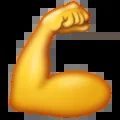
The flexed biceps emoji is more than just a muscle. It’s a digital rallying cry. We see it everywhere we cross borders. End of training. I have completed a marathon. Or maybe you just managed to lift a heavy box without dropping it. It symbolizes strength. tenacity. Yet we rise in the face of adversity.
This also applies to non-physical profits. Do you have a job? Show off your muscles. Would you pass the test? Show off your muscles. It’s a question of overcoming what sometimes seemed impossible.
Forehead gesture
Then there’s the hand on forehead emoji. The man shouted in frustration. This is the universal sign of “I can’t believe this is happening”.
Use it when you make a stupid mistake. Forgot your password? The deadline has passed. This is self-discipline.
How to say “facepalm” without writing the word.
It captures that moment of pure regret.
Or don’t believe it.
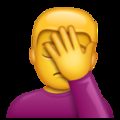
Face masks do not work. Shrug your shoulders and live a long life.
There was a time when a single emoji could convey complex social conflicts. Are you covering your face? This is a universal sign of “I can’t believe I just said that” or “This is painfully obvious.” This comes from the heart. Immediately. It involves the physical act of hiding your own shame.
But those days are over.
This change is not just aesthetic. This is culture. We have moved from reactive confusion to transcendent confusion. The new means of expressing emotions is the shoulder shrug.
Facepalming did not disappear overnight. It has been buried under cynicism, fatigue, and the collective realization that sometimes there is just not enough anger left in the container. When you wait for something better, you turn your palm. You shrug your shoulders and accept that “something better” was never on the table.
Why a shrug wins
The shrug (often represented by the 🤷 emoji) is structurally different. This is passive. The face lacks the ability to actively repair itself. Even when they say, “I don’t understand,” they add a strong statement, “I have no intention of solving the problem.”
In science and technology, this distinction is important. When new AI models fail to predict market trends, the first reaction is to blame the engineers, data and hype and slap them in the face. now? shrugs. Failure is expected. Uncertainty is a feature, not a bug.
Shrugged captures the modern day situation of a deluge of information without solutions. Browse news about climate models, breakthroughs in quantum computing, and another social media algorithm change. Nothing can be fixed. So you shrug.
Extracting nuances
It’s more than just a shrug. The language of emojis has evolved to fit our chaotic nature.
- **🤷 (usual shrug): ** “I don’t know. That’s it.”
- **🤷♂️ / 🤷♀️ (gender nod): ** Often used in conversations to express personal interest or demographic perspective. “Why should I vote for this policy? I don’t know, but it affects my life.”
- 🤦(facepalm): A dying relic. Just for historical reference or to discuss mistakes made before 2018.
A shrug is also the primary response to “how” questions that don’t have a good answer.
“How will this software update disrupt my workflow?”
* “Why is the stock market falling?”
“Which encryption standard is quantum threat resistant?”
You shrug.
Because the answer is either “I don’t know” or “It’s complicated and I’m tired of explaining it.”
The psychology of alienation
Participating in face palming requires participation. Pressing the palm against the forehead requires energy. This is a sign of discomfort. Nothing to shrug off. This is the body language of surrender.
This is important for how we consume technology news. We are no longer shocked by every glitch, every leak, every controversial CEO tweet. We have become unknown. A shrug is an emotional shield. it allows us to navigate

The Anatomy of the Shrug
you know that. Please stretch your arms. Raise your palms. My shoulders rose. This is the vocal equivalent of “meh” or “meh”. In Spanish-speaking cultures, this gesture is often referred to as “El Encosimiento de Hombros” and is so ingrained in communication that it requires its own Unicode character set. But what does it actually mean to hit the “send” button with a row of shrug faces?
It’s not just one emotion. It’s a spectrum.
Sometimes it’s true ignorance. I don’t understand what you mean. It can also be indifferent. I don’t mind the conversation. In some cases this is passive-aggressive protection. *Your opinion is recorded, but it does not affect me. *
emoji family 🤷🤷🏻🤷🏼🤷🏽🤷🏾🤷🏿🤷♂️🤷🏻♂️🤷🏼♂️🤷🏻♂️🤷🏾♂️🤷🏿♂️allows for nuance. You can choose the skin tone that matches your reflection or your allyship. You can choose the gender to match the person you imagine or the personality you want to adopt. The men’s version 🤷♂️ creates a subtle change in tone from the neutral default version 🤷 even though the body movements are the same.
Why We Shrug More Than We Speak
There is a reason why this symbol is everywhere. Words are heavy. Words require justification. Saying “I don’t know” may sound ignorant. “I don’t care” might sound rude. But a shrug? A shrug is safe. It’s non-committal. It leaves the door open for the other person to fill in the blanks.
In online arguments, the shrug is the ultimate trump card. It shows that you have broken away from the social discourse contract. You are no longer engaging. You are observing.
“The shrug emoji is the digital equivalent of leaving the room with the door open.”
It’s low effort. High impact.
Gender, Skin Tone, and the Politics of the Gesture
I am interested in the availability of the male shrug ♂️ 🤷 and by default 🤷. Historically, default emojis were often interpreted as feminine or androgynous. The addition of the male variant gives men a special way to perform such non-commitment.
Is there a difference in the text between a man’s shrug and a woman’s shrug? Probably not physically. But culturally? perhaps.
You can express your skin color 🤷🏻🤷🏼🤷🏽🤷🏾🤷🏿. You may have a similar shrug. Or you can just shrug like the person you’re talking to. This is a small mirroring function. Maybe it’s just a way to make the conversation feel less boring.
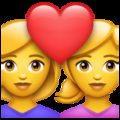
The logic behind the missing same-sex couple emoji
If you’ve spent the last decade scrolling through social media or texting your friends, chances are you’ve noticed a glaring gap in the standard emoji keyboard. A man and a woman are holding hands. We have men and men with hearts. We have women and women with hearts. However, there is currently no official standalone emoji to represent a same-sex couple holding hands.
This is not an omission. This was intentionally left out by the Unicode Consortium.
LGBTQ+ advocates and developers have been pushing for this particular icon for years. The request is simple. Men and men or women and women would be depicted in a relaxed, tender position, holding hands, without the romantic frame of the heart symbol. What are the current workarounds? People use male and female couple emojis, change skin colors, or combine two different shapes into a heart. It works, but it’s clunky. This is different from a separate icon.
Why is there a difference between “couple” and “couple with heart”?
This difference is more important than you think. According to Unicode’s design philosophy, the Couple (holding hands) emoji is intended to represent a wide variety of human relationships, including romantic, familial, or platonic relationships. The couple with heart emojis are explicitly romantic.
The lack of same-sex holding hands emoji creates a false dichotomy. If you want to show two men or two women together, imply romance, or use a man-and-woman couple emoji and hope no one notices the change in skin tone. Neither option is accurate.
Political struggles for representation
This is not just an aesthetic problem. It’s all about visibility. Emojis are the alphabet of digital communication. If a certain group is missing from the alphabet, it means that the group is excluded. As a result, the Unicode Consortium faces increased scrutiny. Critics argue that by allowing man and man and woman and woman it acknowledges same-sex love but denying the normalcy of same-sex affection in everyday contexts.
Supporters of the change point to countries where same-sex marriage is legal. Why is the digital world lagging behind legal realities? The push for emojis of same-sex couples holding hands is part of a larger movement to ensure digital tools reflect all relationships.
How the process works (and why it’s slow)
Adding new emojis isn’t as easy as asking nicely. The Unicode Consortium has a rigorous multi-year review process. Proposals should include:
* Design details : Clear and unique shape.
* Usage data : proof that emojis are widely used.
* Cultural Influences : An assessment of how you adapt to global communication.
There have been several suggestions that same-sex couples should hold hands. Each time, it faces debate. Some believe that existing combinations are sufficient. Others were concerned about the design limitations of fitting two people of the same gender into a small space without looking like duplicate of the opposite-sex pair. However, the user consensus is changing. The demand is huge, continuous and growing.
What this means in everyday communication
Users must improvise icons until new icons are approved by the Unicode Consortium. Some platforms have started to offer versions designed for the community, but they are not generally available. On one app
The landscape of digital affection has shifted dramatically. We moved past the ambiguous wave and the generic clapping hands to symbols that carry specific weight and identity. Among the most distinct are the couples featuring men. These are not just random pairings; they are structured representations of partnership, often centered around a shared heart.
Consider the visual syntax. You see two figures. They are connected. The connector is usually a heart. This isn’t subtle. It is a declaration. The red heart variant is the most common, signaling romantic love. But the nuance lies in the skin tones.
“Two men united with a heart as a symbol of their romantic relationship.”
This simple description masks a complex system of inclusivity. The emoji set for same-sex male couples is not limited to one look. It branches into multiple combinations based on skin tone modifiers. You have the standard pair. Then you have variations with light skin tones. Darker skin tones appear. Medium tones. Tones that suggest olive or tan complexions. And darker shades that represent deeper pigmentation.
Why does this matter? Because representation in code is representation in reality. When a user types 👨❤️👨, they aren’t just sending a graphic. They are invoking a specific cultural marker. It distinguishes gay male relationships from lesbian couples (who have their own set) and straight couples.
The red heart is the anchor. It denotes passion. It denotes commitment. But look closer at the variants. The combination of light skin with light skin. Light with medium. Medium with dark. Dark with light. Each permutation allows individuals to reflect their actual appearance or the appearance of their partners in a digital space that often flattens identity.
It’s about precision in emotion. You don’t just send a heart. You send a heart between two specific types of people. That specificity builds community. It says, “This is us.” It’s visible. It’s undeniable. And it’s been there in the Unicode standard for years, waiting to be used.

Red hearts are the default choice for expressing emotions. This shows romance, passion or strong love for the post or message. But what about black heart? It carries a heavier weight. This has nothing to do with happiness. This is about the meaning of the black heart emoji which is rooted in sadness, darkness or deep sadness.
If someone uses Black Heart ❤️🩹 or just 🖤, it is unlikely that they are flirting. A break. A death. A deep emotional wound. In many Western cultures, the color black has long been associated with mourning. In digital communication, this symbol serves as a visual shorthand for the same sadness.
Why Blackheart is important online
We’ve gone beyond simple text. Emojis now contain subtle emotional information. Black heart emoji allows users to express emotions that a red heart cannot touch. Acknowledge pain without seeking dialogue.
Consider the context. A friend posted about his loss. You reply with a black heart. It reads: I understand your pain. I’m here. This is a digital memorial. It shows my respect. It does not try to fix the unfixable.
“The black heart allows us to silently acknowledge the sadness that words may not be able to convey.”
This is especially useful for sensitive topics. You can avoid the blue sad face cliché. It feels more grown up. More dark. This fits the aesthetics of condolence pages, memorial posts and late night reflection texts.
Where it shows up in culture
This symbol permeates subcultures beyond mere sadness. In music, especially rap and emo music, black hearts often appear in images and lyrics. It conveys a tough appearance. Protection from a cruel world. It’s a dark aesthetic for sure, but it’s also resilience.
Fashion brands use it to express an edginess. Streetwear lines incorporate it, which evokes a sense of mystery. But don’t take this as a rejection of all love. In these contexts, it usually means complicated love. pain. Or maybe it’s a love for the darker side of the human experience.
Comparison: red heart and black heart
Which one should you use? The answer depends on your purpose.
- Red Heart ❤️ : Love. Romance. happiness. friendship. General approval.
- Black Heart🖤 : Grief. Sadness. Mourning. nihilism. Avant-garde aesthetics.
Blackheart can be misunderstood when used in a Romance context. It might signal a breakup. Or a cold heart. It is risky. Red hearts are safe. The black heart is specific. A certain level of emotional literacy is required from the recipient.
How to use it responsibly
If you want to comment on tragic events, the black heart is appropriate. If you react to the breakup, it works. If you like sunset photos, think again. This may confuse your friends.
The power of emojis lies in their ambiguity. Interpretation is free. But the core remains the same. This is the color of emptiness. Of the end. the things we cannot change.
We will continue to use it. Not because it is trendy. But sometimes words fail. A black shape on a white screen is enough.

In some cases, symbols mean more than words. Or maybe you’re just confusing others. Take black heart for example. 💜 This is usually not grief in the traditional sense, at least among Gen Z and Millennial digital natives. Instead, it means sadness, deep emotional pain, or a certain type of dark humor. When you’re in a dark mood but want to express it ironically instead of just plain sadness.
Then we have heart with arrow. 💘
This is a throwback. This graphic design clearly depicts the mythical arrow that Cupid shot by Cupid to strike lovers. It’s not just “love”. This is an infatuation. It’s that crazy early stage of falling in love, when your heart feels like it’s being stabbed by desire. It is more powerful than a simple red heart. It’s chaotic. It’s romantic chaos.
How about a star-struck heart? ✨
This emoji suggests a special feeling that is out of this world. It’s not just about liking something. it’s admiring them with a sense of wonder It suggests that the relationship or feeling is special, like looking at the stars. cariño (love) feels like magic.
Why do we use these special symbols? Because language has its limits. Sometimes the words are too heavy or too vague. Emojis form a bridge between how we feel and what we can say. Black Heart Covers the shadows. Hearts and arrows catch sparks. Star Heart holds the awe.
But here’s the problem. These meanings shift. They depend on the context. On who is reading them. on the platform you are using. “Black heart” in a funeral may have a different meaning than “black heart” in an meme about existential dread.
Which brings us back to ambiguity.
We rely on symbols to connect, and these symbols are constantly evolving. One day you use heart with arrow to show you like someone. The next day it’s seen as cringe. Or it’s outdated. Or too intense.
Does it matter?
Probably not. But the desire to be understood does.

Gray heart: what it really means
The gray heart emoji represents more than just sadness. It doesn’t scream “I’m depressed.” Instead, it sends a quieter signal. Something muted.
People use it to express calm feelings. It’s a heart, but toned down. Think of it as a whisper compared to a shout. You might send it to a friend you care about, but you’re not ready to fully express the passion of red or the sweetness of pink.
It can also mean disappointment. That feeling you get when the magic fades a bit. The bright colors of the early excitement become more realistic as reality sets in. Gray is the color of fog. of uncertainty. Things that aren’t clearly black and white.
For some, this is elegance. A great interpretation of love. Less flashy. More understated. Well suited to the mood of a tired person. Or careful. Or keep your feelings to yourself.
If you’re wondering which emoji to use to for a crush who is still “just a friend”, this might be your best choice. It says “I like you” without saying “I love you.” This is a safe haven. Low risk signal.
But be careful. In some cases, it simply means “I’m over it.” The spark was gone. The fire went out. Emotionally, it’s the same as a dead battery.
Other notable heart colors
We’ve covered the basics. Red is love. Pink is romantic. Black is edgy or mourning. But the selection is wide.
- Blue Heart : Trust. Loyalty. platonic love. Often used with friends and teammates.
- Green Heart : Nature. Growth. Sometimes envy, but usually just good vibes.
- Yellow Heart : Friendship. happiness. Bright energy without romance.
- Purple Heart : Compassion. honor. It can also be related to a specific charity or cause.
Each color shifts the tone. The message changes according to the color. The wrong choice can send the wrong signal. Sending a black heart to a new date can feel dramatic. Sending a blue heart to your long-term partner can feel cold.
Context is everything. Who are you talking to? What’s the atmosphere like? Is this a serious moment or a casual conversation?
In the center is a gray heart. This is a diplomatic option. It’s a safe bet. But sometimes, safe isn’t what you want. Sometimes you need the boldness of red. Or the warmth of yellow.
Understanding these nuances will help you communicate better. It helps you show up exactly as you mean to. Not too much. Not too little. Just right.
Or not right. Maybe gray is exactly what you need. Maybe you feel gray. This is also valid.

A gray heart is a silent statement. It’s not as flashy as red, and it’s not as playful as yellow. It falls somewhere in the middle, a complex yet somewhat sophisticated and slightly detached. 🩶
People use it to express their appreciation for things that correspond to the color gray. This can be anything from a minimalist design to a neutral aesthetic. It shows a connection to the concepts of calmness, sophistication or simply understatement.
However, its meaning is not necessarily peaceful. In some cases, a gray heart can represent emotional or affective wear. This is the emoji you send when you’re tired or when your relationship is stuck and you’re feeling a little heavy. It’s moderation. This is neutral. In other words, you’re exhausted.
Why the fire emoji Signal Attraction and Heat
If the gray heart represents calm indifference, the fire emoji represents pure intensity. 🎆
When someone sends a fire emoji in a dating context, they’re not talking about cooking. They are signaling attraction. A flame represents something hot. This is a direct way of communicating that you look good or that a situation is heating up.
The fire emoji works because it taps into the basic human association that heat equals energy. It is used as an shorthand for approval in social media and text messages. A photo of a new outfit? Fire. A clever comment? Fire. A romantic advance? Definitely fire.
However, it’s not just about looks. Emojis can also represent a fiery, passionate or intense personality. When used in conversation, it adds a layer of enthusiasm that text alone lacks. A simple compliment turns into a something more visceral.
Spectrum of Digital Affection
The use of emojis is a language in itself. We don’t just choose colors randomly. Each color has specific cultural implications.
- Red heart represents deep love and romance.
- Black heart can symbolize darkness, sadness or gothic aesthetics.
- Grey Heart occupies an ambiguous space between care and numbness.
- Fire Emoji completely bypasses emotions and go straight to physical reaction.
Understanding these nuances will change the way you read messages. For those who expect warmth, a gray heart can feel cold. But for the recipient, it’s a safe, low-pressure way to stay connected.
Why do we need so many emotional symbols? Because words often fail. We need shortcuts. Before the other person reads your sentence, you need visual cues to convey tone. The grey heart offers a way to show you care without yelling. Fire emojis offer a way to express what you want without saying anything.
Not that one is better than the other. They just serve different purposes in the chaos of digital communication.
The fire emoji 🔥 is a classic example of how meaning changes depending on context. In a way, it is a literal representation of heat. When a restaurant publishes a picture of food with this symbol, it warns about the spice content. Indicates that the food is hot or very spicy.
But it’s rarely on the menu just for that reason. Often it is a metaphor for attraction. Calling someone “on fire” means that the person looks very good. It suggests intensity, charm and a certain energetic charisma.
“See No Evil” Monkey and social boundaries
And then there is the monkey covering its eyes 🙈. Technically, this is one of the three monkeys in traditional Japanese fables, but the use of the character is very limited. Usually means “I don’t want to see this”.
This has nothing to do with moral anger. It’s just fun. It happens when there’s something embarrassing, shocking, or revealing a little too much. It draws attention to looking and at the same time expresses a desire to look away. They say, “This is strange, but we can’t ignore it.”
Why the background is more important than the image
The problem with these symbols is that they are not a language. They are emotional punctuation. Without proper context, the fire emoji can seem more like a complaint about the temperature than a compliment. A monkey covering its eyes may look more confused than shyly enjoying itself.
Users must guess the intent. Is the fire emoji about heat or hype? Does the monkey represent shame or curiosity? Ambiguity is the key. This provides a layer of subtlety that plain text doesn’t have, but it also creates room for misunderstanding. This is why the tone is more important than the symbol itself.

The 🙈 emoji is more than just a playful gesture. It depicts a monkey covering its eyes with its hands. This particular gesture comes from the proverb “Three Wise Monkeys”, which preaches not to witness evil. The monkey in this picture is Mizaru, the monkey that sees no evil.
Although its origins are philosophical, its contemporary use is often less profound. People use this emoji to express shame or second-hand shame. When you see someone else make a mistake, it sends a signal to the monkey that you are embarrassed to see it. It can also express shock or disbelief.
Sometimes that means avoiding uncomfortable situations. You might send it when avoiding a difficult truth. Or maybe you laugh at something embarrassing. The meaning changes depending on the conversation.
Why is this important in digital communication?
Using the wrong emoji can completely change the tone of your message. The monkey emoji (🙈) is often mistaken for a general playfulness. But it carries a certain weight. It’s about avoidance. It is about turning away.
When you use it, you are communicating that a refusal to engage with what is happening. It can be lighthearted. Sometimes it can be passive-aggressive. Context is everything.
Consider this scenario. A friend posted a cringe-worthy photo. You answer 🙈. This tells them you saw it, and it was painful. When your partner sends you a rude message, you reply 🙈. This suggests you are choosing not to process the anger.
Emojis bridge the gap between seeing something and reacting to it. It allows you to react without direct confrontation. It’s like a visual sigh.
Correct usage
Do not use it for simple concealment. It’s not about hiding a secret location. It is for emotional or moral avoidance.
- Use when reacting to public embarrassment.
- Use when you are shocked by news.
- Use it to show you are turning away from a bad situation.
- Don’t use this for simple surprises. Use 😲 instead.
The nuances are subtle. But in digital text, tone is lost and these details become important. The Mizaru monkey is a small figure with a large cultural footprint. It reminds us that sometimes, not looking is the best response.

The crescent face of the moon is often considered spooky, even creepy. This makes sense. It doesn’t shine. It hangs silently in the void, a black circle in the sky. But it’s not necessarily about horror. Often it is just synonymous with the dark side. We don’t see that side. That part remains hidden.
Why do the stars shine?
Stars are bright because they burn. It’s different than a candle. It’s not like a campfire. They fuse hydrogen into helium. This process releases a large amount of energy. The energy spreads outwards. It affects our atmosphere. We see it as light.
This is not magic. This is physics. Simple but brutal physics. The core collapses under the influence of gravity. Heat rises. The pressure rises.
Eventually, fusion kicks in.
The star becomes stable.
It shines.
“A star is basically a giant nuclear reactor floating in space.”
How what you see changes with distance
Not all stars look the same. Some are bright. Some are faint. Why? Distance matters. Brightness is important. Temperature is important.
A hot blue star can shine more brightly than a cold red star. But if a blue star were 10 times farther away, it would appear dimmer to us. That’s why some stars twinkle. The atmosphere scatters that light. The turbulence of the air makes them dance.
We use apparent magnitude to rank them. The lower the number, the brighter the star. Sirius is -1.46. Venus can reach -4.9. The sun is -26.74. The scale is logarithmic. A difference of 5 magnitudes corresponds to a 100-fold change in brightness.
Which stars matter most?
When it comes to navigation, Polaris stands out. This is the North Star. It barely moves. It has been used by sailors for centuries. Astronomers use it to calibrate their instruments. Not the brightest star. It’s the 50th brightest in the sky. But its position makes it useful.
Other stars have different purposes. Betelgeuse is a red supergiant star. It’s nearing the end of its life. When it explodes, you can see it even during the day. This is a rare case. The last one was SN 1006.
Why this matters
Understanding the stars helps us understand our place in the universe. They are the factories of the universe. They produce heavy elements. carbon. oxygen. iron. All forged in their cores. When they die, they scatter these elements. They sow the seeds of new stars. A new planet. New life.
We are made of starstuff. Not just poetry. Fact.
The next time you look up, think about that. The light that shines in your eyes left the stars many years ago. Probably centuries. You’re looking at history.

Biology of infections
The second image is a medical icon. It represents microorganisms. In particular, it is often used to mark diseases.
This is not decoration. This is a warning.
If you see this symbol next to the list of symptoms, the cause is biological. Bacteria. virus. Viruses. Protozoa. The list is short, but the impact is far-reaching.
People use this emoji to indicate that a disease is caused by a pathogen. Not stress. Not bad luck. Microorganisms that invade the body.
It is a shortcut for “germ-related.”
In digital communication, it serves a specific purpose. Find out the nature of the problem without long explanations.
A user might post it to indicate they are sick. Or you can warn others about an outbreak of a contagious disease. The format is very simple. A blob with legs and a crown. It looks like a classic cartoon germ. That recognition is fast.
Context matters.
If you see it in your health app, it probably means “infection detected.” If you see it in a tweet, it probably means “I made a mistake.” This ambiguity is intentional. The symbol covers all microscopic threats.
It does not differentiate between the flu and more severe colds. It’s up to the reader. The image just points to the source.
Why this distinction is important
We live in an era where information is instantly available. We need quick signals.
The microbe emoji provides one. It cuts through the noise. It tells you where to look.
Some people might confuse it with other health symbols. But the visual cues are distinct. The legs represent movement. The crown suggests dominance or threat.
It is a visual shorthand for invasion.
Understanding this helps in interpreting digital health trends. It shows how diseases are classified online. We group them under “bugs.” Simple. Direct.
The next symbol in the set deals with something different. It’s the solution, not the cause.

🧪 Syringe: treatment or vaccine
The syringe emoji is a symbol of shots, injections and medical procedures. It has become an important part of digital communication, especially when discussing health-related topics. Whether you’re talking about a virus vaccine or a disease treatment, this icon captures the essence of these moments.
Since its introduction, the syringe emoji has been widely used during the global pandemic. People also use this tool to share vaccine-related news, express gratitude to medical staff, and even explain their own medical experience to others. Its versatility makes it a valuable tool for communicating complex ideas quickly and effectively.
The syringe emoji often represents more than just a physical object. It can symbolize hope, healing, and even the challenges faced by those receiving medical treatment. For example, someone might post a picture of themselves getting vaccinated to show their support for public health efforts
The design of the emoji of the syringe varies depending on the platform, but its central meaning is consistent. Some devices feature a clear vial and needle, but other devices may include additional elements such as label or a bandage. Despite these differences, the message that something is happening in the field of medicine and health is widely understood.
📌 Real-Life Applications
The syringe emoji has penetrated many fields beyond personal communication. it’s often used as teaching material to explain procedures and treatments. For example, a clinic can use a syringe emoji in its brochure to emphasize the importance of vaccination.
Social media platforms have also adopted this symbol. At the height of the COVID-19 pandemic, influencers and organizations shared messages with the syringe emoji to raise awareness about vaccines. Some people use it in memes to add humor to serious topics.
Interestingly, syringe emojis have become a part of pop culture. Movies and TV shows set in hospitals with medical themes often use this icon as a subtle nod to medical reality. Fans of these works consider the syringe emoji shorthand for an often overlooked aspect of patient care.
🌍 Global impact
The prevalence of the syringe emoji reflects the global nature of health problems. From rural clinics to urban hospitals, people around the world use this symbol to communicate medical problems. Its simplicity allows it to overcome language barriers, making it an effective tool for international cooperation.
During a crisis like the COVID-19 pandemic, syringe emojis play an important role in spreading information. Public health officials use it in press releases and social media posts to emphasize the importance of vaccination. Citizens use this to express solidarity and encourage others to get vaccinated.
🔍 Why is it important?
The syringe emoji is more than just a cute little icon. It represents the intersection of technology and humanity and is a reminder of medical progress and the ongoing efforts to improve health around the world. As new treatments and technologies become available, this symbol continues to evolve to reflect the changing medical landscape.
So the next time you see a syringe emoji, think about the story behind it. It can be a reminder of a recent vaccination, a tribute to a medical hero, or a call to action to improve health habits. The syringe emoji may seem small, but its impact cannot be underestimated.
The syringe emoji 💉 has undergone a quiet but significant change. For many years, its purpose was simple: to visually simplify a medical procedure, a blood draw or a donation event. When I see this I think of clinics, needles and hospital wards. This is clinical. Separation.
But the digital landscape has changed. The symbol shed its literal baggage. In the new version, the bottle is clean. No blood. No black liquid. Just a sterile, white plunger and a clear glass container. Why? Because context is king. The emoji was reclaimed to represent vaccination. In particular, the global effort against the coronavirus pandemic. Suddenly 💉 it wasn’t about getting sick anymore. It’s about protection. It’s about hope.
This change reflects the way we use language. Words take on new meanings based on collective experience. Emojis are no exception. These are not static icons. They are living symbols of an adaptive cultural moment.
Rainbow effect: more than just colors
While the syringe evolved, the rainbow 🌈 emoji strengthens its role as a beacon of optimism and inclusion. It’s not just a pretty arc. This is a signal. A flag waved in the digital square.
People use it to show their support for the LGBTQ+ community. In honor of Pride Month. To show solidarity. But in a larger sense, it represents positivity. This is a reminder that after every storm there is light. Or rather, there’s color.
The rainbow emoji is often combined with other symbols to create complex messages. Heart❤️+Rainbow🌈. Flag 🏳️🌈 + Rainbow 🌈. These combinations are of great importance. They convey identity. They say, “I see you. I support you.”
Why symbols are more important than ever
We live in the era of visual communication. The words are secondary. The image is primary. Emojis are the punctuation marks of our digital lives. They add tone. They add emotion. They clarify intent.
💉 When you send, you get more than just a picture of a needle. You’re referencing a shared global event. You’re acknowledging a collective effort. You say, “I’ve been vaccinated.” Or “Get the vaccine.” This is a subtle but powerful command.
Again, 🌈 is more than just a spectrum. This is a political statement. social contract. It creates empathy. It requires recognition.
Development of digital expression
The story of these emojis is the story of digital culture. It’s about how we negotiate meaning in often chaotic spaces. Where ambiguity reigns. Where the tone is likely to disappear.
Emojis fill that gap. They provide nuance. They add texture to communication. You can express things that cannot be expressed with words alone.
Let’s think about the syringe again. It used to be scary. Now it’s hopeful. This change reflects a wider cultural movement. Moving from fear to action. From isolation to community.
Rainbow, on the other hand, remains determined. Stay the same in a changing world. A symbol of resilience. Of joy. Of defiance.
How to use them wisely
It is important to understand the nuances of using emojis. A syringe in the medical field is not the same as a syringe in a political debate. rainbow of pride
Rainbow: More than just a spectrum
When you see a rainbow in the sky, you might think of a simple optical illusion. But for many it is a symbol full of meaning. It often appears in memes and social media posts to express good vibes. Joy. Hope.
During the severe restrictions of the pandemic, rainbows became synonymous with global resilience. Neighbors painted pictures on the windows. Artists posted them online. The message is clear. We’ll get through this. It is a visual promise of better days to come.
But the meaning of the rainbow has changed. It is no longer just a weather phenomenon or a general symbol of positivity. It is the flag of the LGBTI community. This connection adds complexity to a simple arc. It turns a natural event into political statements about diversity, inclusion and identity.
Ribbon: Support the cause
The Power of Awareness Ribbon
Then there is the ribbon.
It is usually a piece of fabric attached to a pin or bracelet. It’s very simple. Almost too simple to be effective. However, it works.
Awareness ribbons are universal symbols that support a specific cause. It doesn’t matter if the cause is cancer research, mental health awareness or HIV/AIDS prevention. The ribbon says: “I stand with this.” It’s a small, wearable act of solidarity.
The color dictates the cause.
- Pink for breast cancer.
- Yellow for military support.
- Blue for prostate cancer or child abuse prevention.
- Red for HIV/AIDS.
The beauty of the ribbon is their anonymity. You don’t have to explain why you are wearing it. The color speaks for you. It creates an instant connection with strangers. When you see a yellow ribbon, you know someone is supporting a member of the military. You see a red one and you understand the wearer cares about HIV/AIDS.
This is a silent form of communication. A way to show support without saying a word. In a noisy and divided world, the ribbon offers a quiet and consistent message.
But it is not without its critics. Some consider this a form of “slacktivism.” Wearing a ribbon feels good. It makes you feel involved. But does this lead to action? Does it change policy? The ribbon is a starting point. It keeps the conversation going. It raises awareness. However, it is up to the wearer to go further.
The ribbon is a symbol. Symbols are powerful. But they are not the same as action.

The ribbon emoji 🎗️ is a versatile symbol of solidarity and hope. The meaning changes depending on the color. It expresses awareness, support for social causes, and tribute for certain people or events.
The Four-Leaf Clover and Luck
A four-leaf clover 🍀 often symbolizes luck.

The four-leaf clover emoji 🍀 is more than just a cute sticker. It stems from the scarcity of nature. It was only by chance that one of these genetic mutations was found, which is why it became a traditional amulet. Each leaf has a certain weight: hope, faith, love, happiness. Use it to show that you believe in prosperity or that you have come across something unusual.
Peek-a-boo: Curiosity and Peeping Tom
Then there is face with peeking eye 🫣. It looked like its head was sticking out of a crack in the wall. Use this for spying. Or when you’re embarrassed to look but your eyes won’t cooperate. Add an attractive layer to your message. It says, “I’m looking, but I probably shouldn’t be doing this.”
Crooked Mouth: The Art of a Little Disappointment
face with diagonal mouth 🫤 captures very special emotions. This is not sadness. This is not anger. Suspicious indifference. Use when something didn’t meet your expectations, but not enough to warrant a comprehensive complaint. This corresponds to a digital equivalent or shoulder shrug. It’s not as strong as a sad face, but it’s more obvious than a blank stare.
Dashed line: invisible emotion
This is really cruel. face with dotted line 🫥 means someone is missing. literally. The face is drawn with a broken brush so that the person seems to melt away. Use when you feel neglected. When you’re in a room and no one’s looking. This is a visual language where emotions are either absent or completely ignored.
Make a heart shape with your hands: a warm gesture
hand heart 🫶 Different from the usual red heart. This is a combination of both hands. Feels more alive. It’s more than really something to do. Use to express support, appreciation and affection. Because they refer to a gesture, they are warmer than static symbols. A hug, that’s all.
Finger: Direct pointing
index pointing at the viewer 🫵 Noise removed. Point directly to the screen. For you. Use when you want to emphasize something or speak directly to someone. Eliminate ambiguity. This post is not “for everyone”. This is for anyone reading this right now.
The Color Psychology of Hearts
The meaning changes completely depending on the color.
- Pink Heart 🩷: This is not a fiery passion. This is kindness. tender love. to friends, family or tender loving care. It is also important to raise awareness about breast cancer. It is very subtle.
- Light Blue Heart 🩵: corporate navy blue, not dark blue. This is sky blue. This is a sign of calmness. Quiet. friendly communication. Use when you want to express confidence but don’t want to be romantic. It’s about peace. About the sea. About understanding silence.
Nodding and Shaking: The End of Ambiguity
Previously, we relied on text for agreement. “Yes.” “Okay.” Now it’s moving.
Nodding face 🙂↕️ combines a smile and the vertical arrow. It imitates the head. Use to confirm. To agree. Say “yes” with more energy than you’ve been allowed to in a while.
side-to-side face 🙂↔️ It’s the other way around. The arrow moves horizontally. It mimics the head shake. Used to express a dissenting opinion. refuse. A graphic that says “no” is a little less harsh than writing the word.
These symbols fill the gaps left by the text. They convey the tone. They convey intent. These make digital conversations more like talking to a person than reading a memo. But do they replace nuance? Or will it just flatten even further?


