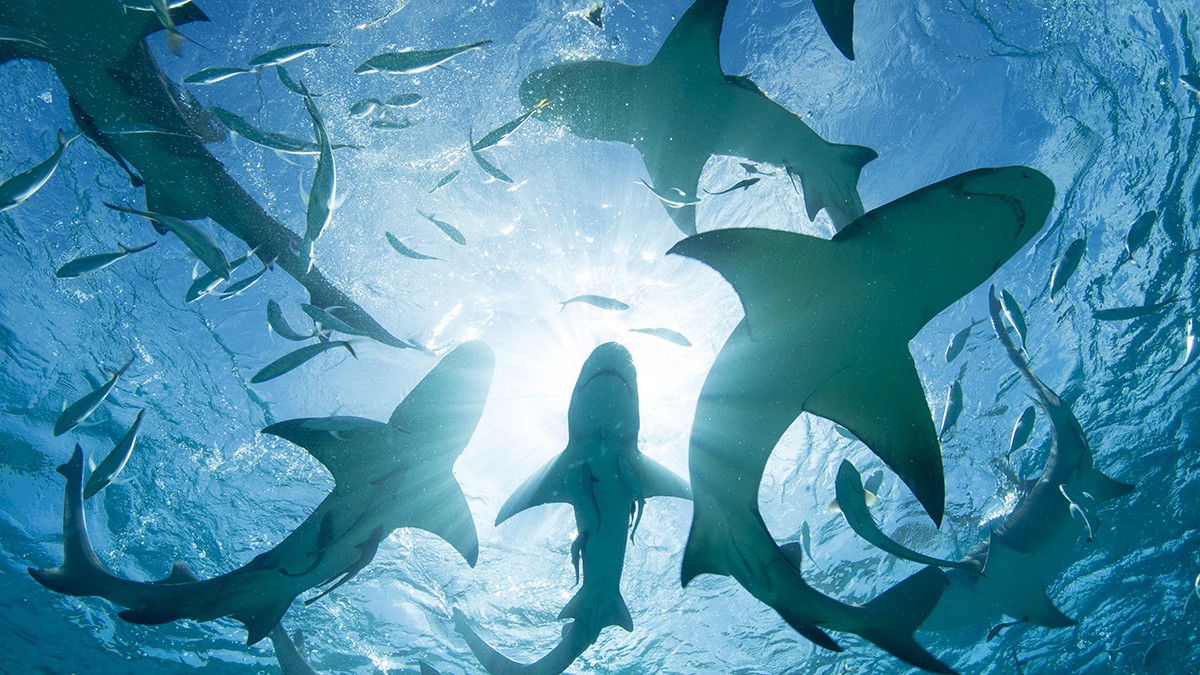
The shocking discovery of cocaine, caffeine, and painkillers in the blood of Bahamian sharks underscores a disturbing trend: no marine environment is safe from human-generated pollution. A recent study, conducted by researchers from the Bahamas, Brazil, and Chile, revealed that nearly one-third of sharks sampled near Eleuthera tested positive for these substances.
The Disturbing Findings
The research team analyzed blood samples from 85 sharks, finding that 28 had detectable traces of drugs. Caffeine was the most prevalent contaminant, but two sharks were found to have cocaine in their system. The scientists hypothesize that the sharks ingested these drugs by biting discarded packages floating in the water – a common behavior for these curious predators.
Other substances detected included acetaminophen and diclofenac, common painkillers, suggesting widespread pharmaceutical pollution. This marks the first time caffeine has been identified in sharks globally, and the first instance of cocaine being found in Bahamian shark populations.
Why This Matters: Beyond Shock Value
The presence of these drugs isn’t merely a novelty; it’s a symptom of a larger problem. Marine environments are increasingly contaminated with contaminants of emerging concern (CECs), including pharmaceuticals and illicit drugs. This is particularly acute in regions undergoing rapid urbanization and tourism development. The influx of these substances poses dual risks: to marine biodiversity and to human health through seafood consumption and recreational water exposure.
The sharks were sampled near popular diving and cruise ship routes, suggesting that untreated wastewater discharge may be a major contributor. Cruise ships themselves have been identified as significant sources of pollutants, releasing antibiotics and other harmful substances into the water.
The Broader Problem of Ocean Pollution
This isn’t an isolated incident. Traces of cocaine have previously been found in sharks off the coast of Brazil, indicating that the ocean is being treated as a dumping ground for unwanted substances. The long-term health effects on marine life remain largely unknown, but preliminary metabolic markers suggest that drug exposure may induce stress and increased energy expenditure as sharks attempt to detoxify their systems.
“The detected CECs represent a diverse group of biologically active compounds with the potential to interfere with fundamental physiological processes in marine organisms.”
The study emphasizes the urgent need for improved wastewater management, particularly from tourism-related activities, and broader monitoring of pollution impacts on marine ecosystems. This reinforces the sobering reality that even seemingly pristine environments are vulnerable to the consequences of human negligence.
The discovery in the Bahamas serves as a stark reminder: the ocean’s health is inextricably linked to human actions, and unchecked pollution threatens the integrity of marine life worldwide.