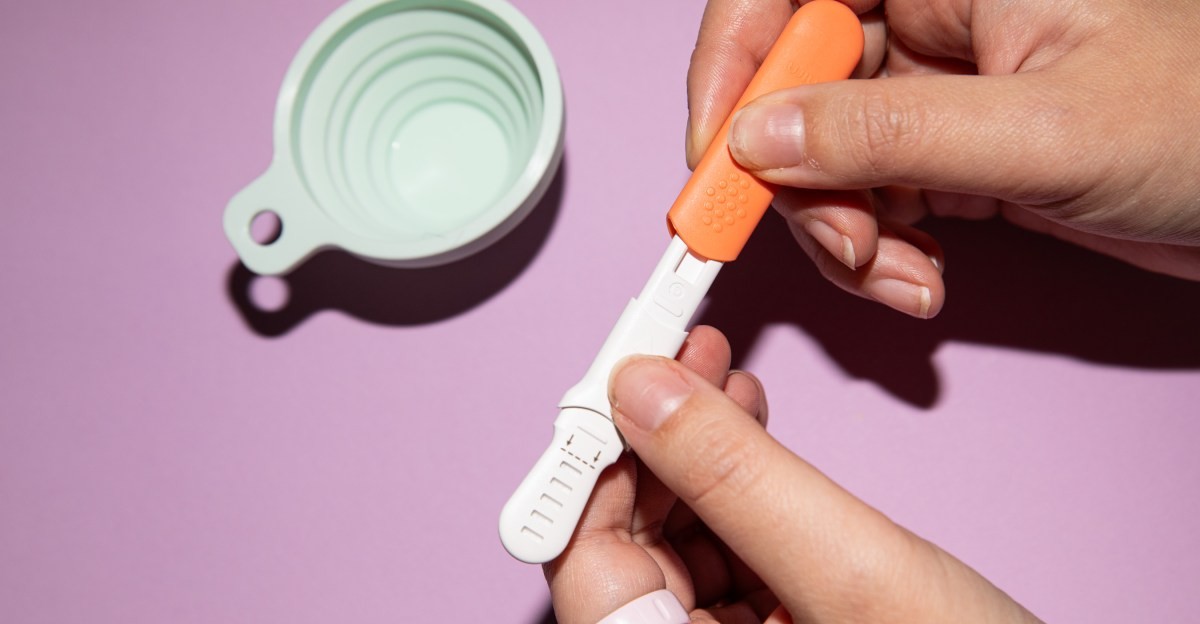
Consumer Electronics Show (CES) 2026 highlighted a significant shift in digital health: an intense focus on tracking and analyzing bodily fluids —urine, blood, sweat, saliva—as the next frontier for preventative health. While wearable tech has long tracked steps and heart rate, the industry is now doubling down on metabolic health, suggesting a new era of hyper-personalized diagnostics.
The New Wellness Frontier: Beyond Steps and Heart Rate
For years, CES has showcased incremental improvements in fitness trackers and smartwatches. But this year, the dominant theme was deeper biological monitoring. Startups and established players alike unveiled devices and services designed to extract health insights from the body’s most basic outputs. Examples include at-home hormone testing using urine, smart menstrual pads, in-toilet hydration trackers, and even smart scales that analyze foot sweat for metabolic health indicators.
This isn’t just about novelty; the trend reflects a growing belief that metabolism holds the key to longevity. Companies like Withings, Oura, and Whoop are integrating continuous glucose monitors (CGMs) into their platforms, partnering with Abbott and Dexcom to offer more granular health data. The push is clear: the future of digital health isn’t about counting steps, it’s about understanding how your body processes them.
The Challenge: Balancing Data with Anxiety
Executives from Oura (Tom Hale) and Dexcom (Jake Leach) acknowledged that while deeper metabolic insights are valuable, they also pose risks. The challenge lies in avoiding “health anxiety” by overwhelming users with sensitive data. Hale suggested episodic, use-case-driven testing (such as cortisol sweat tests during high-stress periods) might be more practical than continuous monitoring.
Leach emphasized the need for AI-powered platforms that translate raw biomarkers into actionable insights, rather than simply presenting users with endless lists of numbers. Both agreed that the industry must prioritize clarity and avoid creating undue stress around health metrics.
AI, Privacy, and the Future of Metabolic Tracking
The integration of AI is seen as crucial for making metabolic data accessible. Dexcom and Oura have already begun adding AI-powered nutrition tracking and insights to their apps, while Garmin announced similar features. However, Leach admitted that AI technology is not yet mature enough to reliably interpret metabolic data.
Privacy remains a major concern. Oura faced backlash earlier this year over its partnership with Palantir and the Defense Department, with users fearing data sharing. Hale refuted these claims, stating that user data is never sold or shared, but acknowledged that public perception remains highly sensitive. The incident underscores the tension between data collection and user trust.
Looking ahead, both companies anticipate continued growth in wearable technology, driven by a desire for proactive health management. Dexcom plans to add macro tracking to its app, while Oura is exploring integration with smart glasses for food logging and chronic condition management.
The Bottom Line
CES 2026 made one thing clear: the future of digital health is increasingly focused on metabolic monitoring. While dystopian visions of widespread bodily fluid tracking may be exaggerated, the trend toward deeper biological insights is undeniable. The industry is betting that preventative health, driven by data from blood, urine, and sweat, will be the next major frontier in personal wellness.