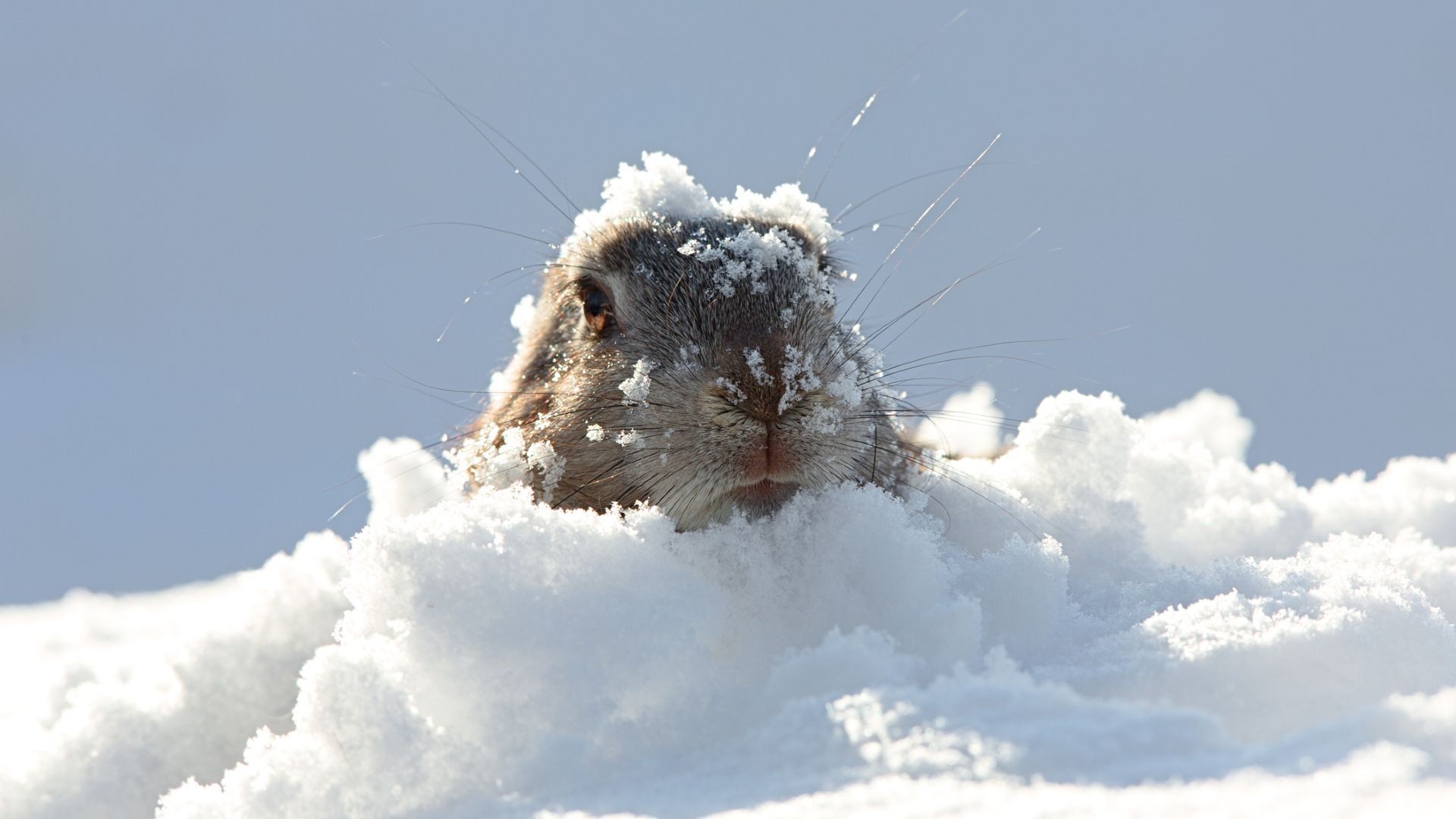
Groundhog Day, celebrated annually on February 2nd, is widely known for its quirky tradition of relying on a groundhog’s shadow to predict the length of winter. However, the holiday’s origins are rooted in older customs, and the true halfway point of winter actually arrives after this date. What many view as a symbolic midpoint is, in reality, just one day shy.
The History Behind the Tradition
The tradition of Groundhog Day dates back to 1887, when Clymer Freas initiated the first official celebration in Punxsutawney, Pennsylvania. Before that, February 2nd was known as Candlemas—a day tied to the saying, “If Candlemas be fair and bright, Come, Winter, have another flight.” This suggests the tradition evolved from observing weather patterns rather than relying on an animal’s behavior.
Today, Punxsutawney Phil, the celebrated groundhog, “predicts” whether winter will continue for six more weeks if he sees his shadow, or if spring will arrive early if he doesn’t. According to the Punxsutawney Groundhog Club, Phil communicates his prediction in “Groundhogese” to the Club President, who then translates it for the world. While the ritual is lighthearted, data suggests Phil’s accuracy is less than stellar: as of 2025, his predictions have been correct only about 39% of the time.
The Real Midpoint of Winter
Despite its cultural significance, Groundhog Day isn’t the true halfway mark. Winter’s midpoint falls on Tuesday, February 3rd, at 9:54 PM Eastern Time. While the sun’s altitude has been gradually increasing since the winter solstice on December 21st, the changes are subtle until this point. From February 3rd onward, however, the rising sun and lengthening daylight hours become significantly more noticeable.
For example, in Denver, Colorado, sunset occurred at 4:38 PM on the first day of winter with only 9 hours and 21 minutes of daylight. Today, sunset is at 5:23 PM. By the vernal equinox on March 20th, daylight will have increased by 110 minutes, and with daylight saving time beginning on March 15th, sunset will occur well after 7 PM.
Temperature Trends and Meteorological Winter
Interestingly, many northern regions experience their coldest temperatures in the first four days of February. After this period, average daily temperatures rise rapidly, surpassing January’s lows by the end of the month. Meteorologists define “meteorological winter” as the three coldest months – December, January, and February – suggesting that winter is functionally over by the end of February.
The shift is not just about temperature but also about perception. As days lengthen, the sun’s position changes noticeably, and the weather responds accordingly. This transition is more pronounced from now through early May than at any other time of year.
Ultimately, whether Phil sees his shadow or not, the turning point of winter is approaching regardless. The real story isn’t about a groundhog’s prediction, but about the predictable cycle of sunlight, temperature, and the slow but inevitable shift toward spring.