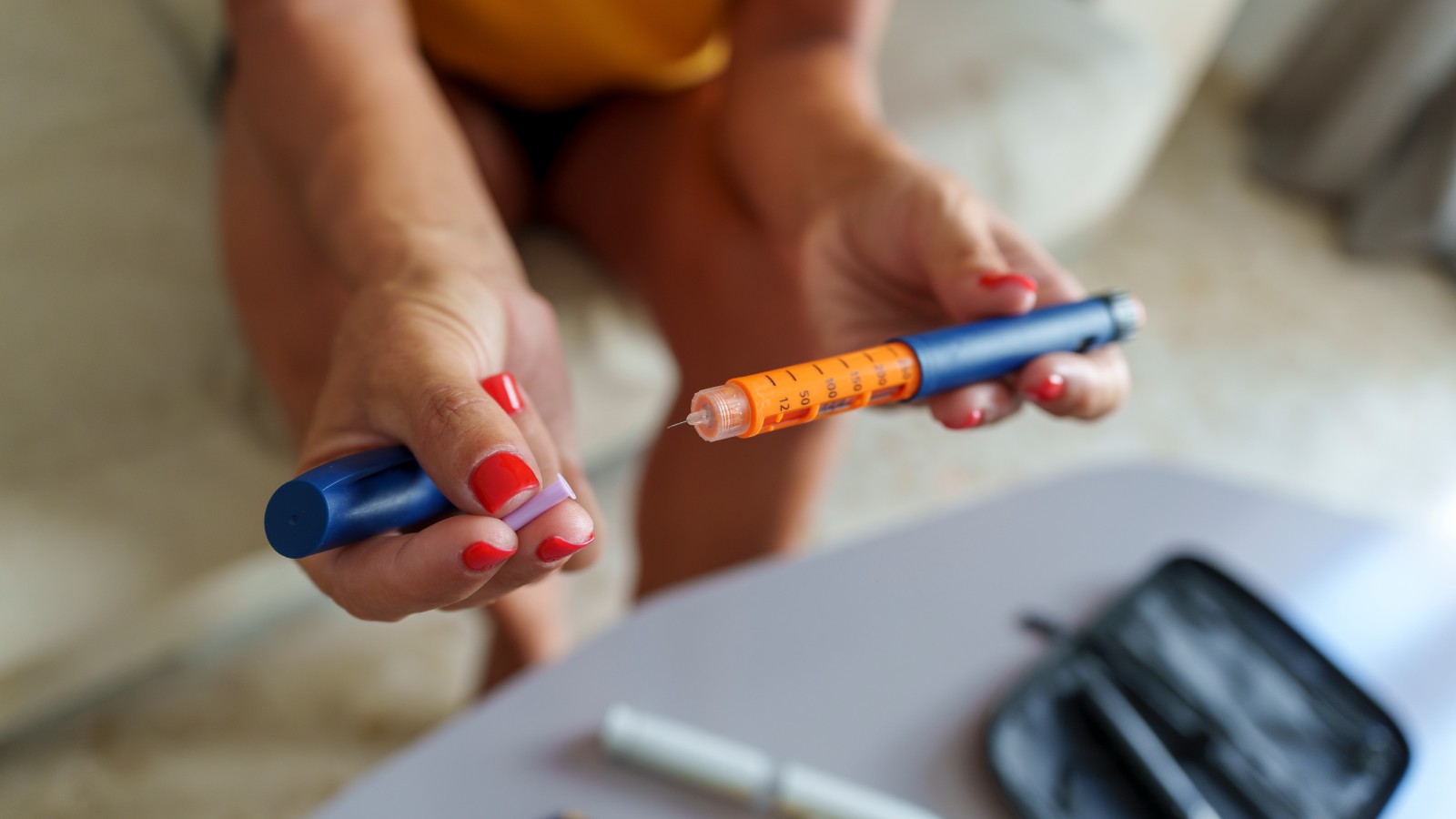
A decades-old drug used in transplant medicine can significantly slow the progression of newly diagnosed type 1 diabetes (T1D) – and a new study confirms that even a low dose is remarkably effective, with fewer side effects than previously believed. The findings offer a potentially game-changing, affordable treatment for a condition that affects millions.
The Challenge of Type 1 Diabetes
Type 1 diabetes is an autoimmune disease where the body attacks its own insulin-producing cells (beta cells) in the pancreas. Insulin is crucial for regulating blood sugar; without it, glucose builds up, leading to serious health complications. However, many newly diagnosed patients experience a “honeymoon phase” where some beta cell function remains – a critical window for intervention. Preserving beta cell function, even temporarily, can dramatically reduce long-term risks like heart and kidney disease.
New Research on Polyclonal Antithymocyte Globulin (ATG)
Researchers at the University Hospital Gasthuisberg Leuven in Belgium conducted a trial involving 117 participants (ages 5-25) diagnosed with T1D within nine weeks of the study’s start. They tested varying doses of ATG, an immune-suppressing drug, to see how it impacted beta cell function.
The results were clear: even the lowest dose (0.5 mg/kg of body weight) effectively preserved beta cell function for a year. Critically, this dose also significantly reduced side effects, such as serum sickness (an immune reaction to animal-derived proteins in the drug). Higher doses, while equally effective, triggered far more severe adverse reactions.
Why This Matters: Cost and Accessibility
The study’s lead author, Dr. Chantal Mathieu, emphasized the drug’s appeal: “The ATG worked wonderfully… the biggest benefit was in the smallest children.” This is important because existing treatments like teplizumab (Tzield) are approved only for very early-stage diabetes, limiting their applicability. Other options, such as baricitinib, require continuous use. ATG is not only effective but also inexpensive and widely available, making it a viable option for broader patient access.
Future Developments: Genetically Modified Antibodies
Researchers are now exploring a next-generation version of ATG grown in genetically modified cows, engineered to produce human antibodies. This could eliminate serum sickness altogether and potentially improve efficacy. The trial, led by Dr. Michael Haller at the University of Florida’s Diabetes Institute, is expected to begin late this year or early next.
The hope is that this new formulation will be even safer and more effective in treating type 1 diabetes.
This research offers renewed optimism for managing T1D, particularly in young children, by providing a cost-effective and well-tolerated treatment option. While a multi-drug approach may ultimately be necessary, ATG represents a significant step forward in delaying disease progression and improving long-term health outcomes.