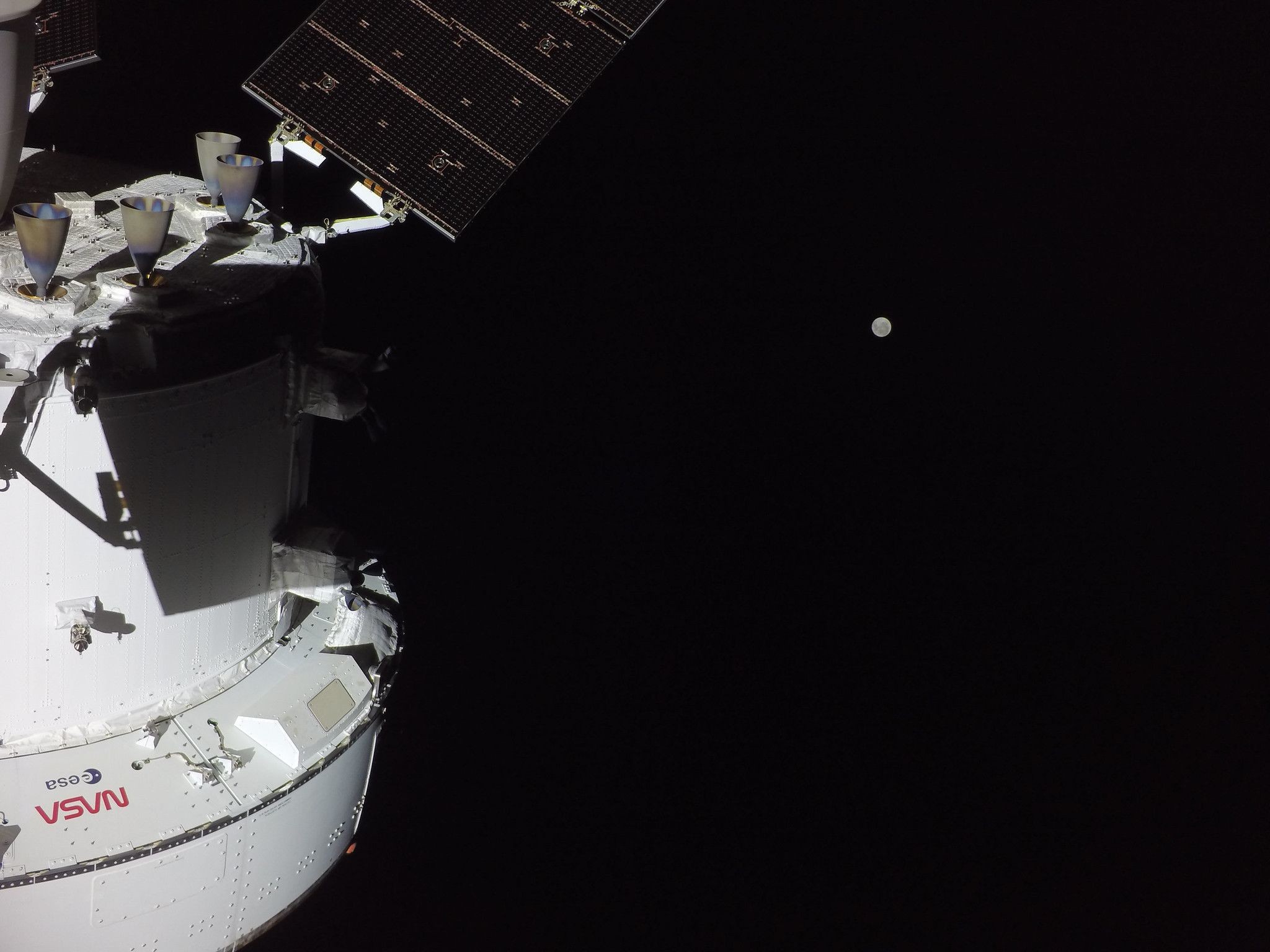
Today, April 6, marks a significant milestone in space exploration as NASA’s Artemis 2 mission begins its historic flyby of the Moon. This mission represents the first time humans have ventured near the lunar surface in over five decades, signaling a major shift in humanity’s reach into deep space.
A Milestone 50 Years in the Making
The four-member crew—Commander Reid Wiseman, Pilot Victor Glover, and Mission Specialists Christina Koch and Jeremy Hansen —is set to conduct a seven-hour flyby starting at 1:30 p.m. EDT (1730 GMT).
This mission is not merely a repeat of the past; it is a leap into a new era of lunar science. The crew will be the first humans to observe the Moon closely since the conclusion of the Apollo 17 mission in 1972. However, unlike the Apollo astronauts, the Artemis 2 crew will gain perspectives previously unavailable to them, including:
– The lunar poles and parts of the far side.
– Rare celestial views, such as observing a solar eclipse from the lunar vantage point.
“The four of us have looked at the moon our entire lives, and the way we are responding to what we’re seeing out the window is just like we’re a bunch of kids up here,” Commander Reid Wiseman reported to Mission Control.
Science in Motion: The Flyby Objectives
The mission is far more than a sightseeing tour. NASA has established 10 primary science objectives and identified 35 specific targets for the crew to observe. To manage this intensive workload, the mission is structured around precision and real-time data collection:
- Shift Rotation: The astronauts will work in two-person shifts over a five-hour window during the main flyby.
- Digital Documentation: Using a specialized “Lunar Targeting Plan” tablet app, the crew will record voice observations and capture potentially thousands of high-resolution images of lunar craters, plains, and mountains.
- Targeted Research: Every observation is designed to feed into NASA’s broader understanding of lunar geology and the environment.
Why This Matters
The Artemis 2 flyby is a critical “proof of concept” for NASA’s broader goal: establishing a long-term human presence on and around the Moon. By testing crew endurance, communication, and scientific observation during a high-speed flyby, NASA is gathering the essential data needed for future landing missions. This mission transitions lunar exploration from the “flags and footprints” era of the 20th century to a modern era of sustained scientific research.
How to Watch
The flyby will be broadcast live via Space.com and through NASA’s official Artemis 2 mission updates page, allowing the public to witness this turning point in space history in real-time.
Conclusion
As the Artemis 2 crew approaches the Moon, they carry with them the legacy of the Apollo era and the scientific ambitions of the 21st century. This flyby serves as a vital stepping stone toward much deeper exploration of our solar system.