


Spain’s ambitious push towards renewable energy is facing scrutiny amid questions of reliability, political instability, and a growing debate over the role of nuclear power. While the country has dramatically increased its reliance on green sources, recent events suggest that a complete transition may not be as straightforward as proponents claim.
The Renewable Rise: From Ambition to Reality
In 2017, renewables accounted for just one-third of Spain’s electricity production. By last year, that figure rose to 57%, with the government aiming for 81% by 2030. This commitment was underscored by Prime Minister Pedro Sánchez’s defiant “Green, baby, green” response to fossil fuel policies elsewhere. The construction of a €4 billion battery factory near Figueruelas, Aragón—a region already heavily invested in wind and solar—symbolizes this push, attracting substantial Chinese investment.
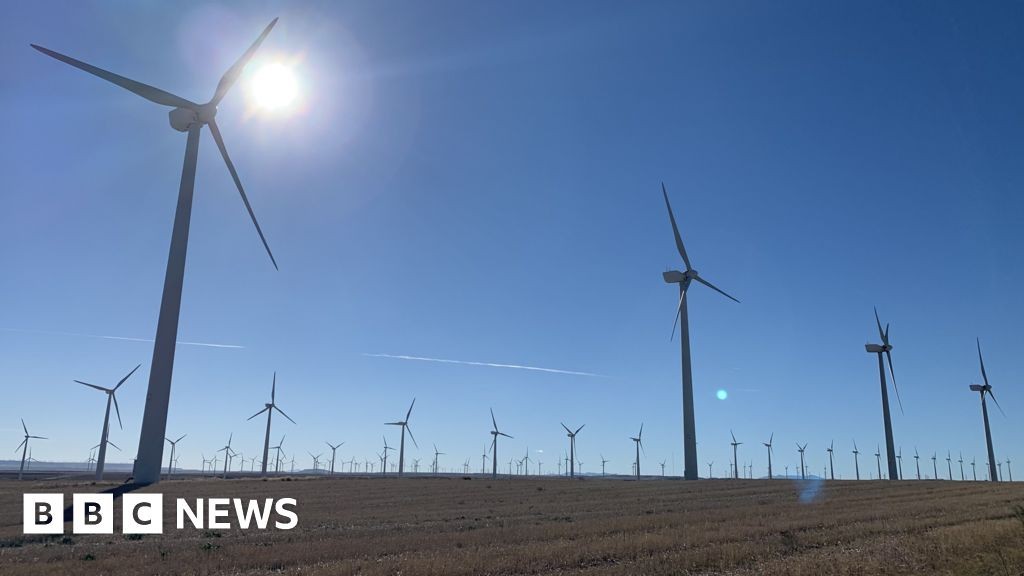
The success of renewable energy in Spain is partly due to favorable geography: Aragón benefits from constant wind and abundant sunshine, making it an ideal location for clean energy production. However, this success has been thrown into question by recent events.
The April Blackout and the Reliability Debate
A widespread blackout on April 28th plunged Spain and Portugal into darkness for hours, sparking intense debate over the stability of a renewable-heavy grid. Opposition leader Alberto Núñez Feijóo accused the government of “fanaticism” in prioritizing renewables, suggesting the incident may have been linked to an overreliance on intermittent sources.
While government officials and grid operator Red Eléctrica deny a direct connection, the fact that solar generation hit a record 61.5% just a week before the outage fueled skepticism. Red Eléctrica attributes the blackout to “unknown events” causing voltage oscillations, but a full explanation remains pending.
Nuclear’s Counterargument: Stability in an Uncertain System
The blackout has reignited the debate over Spain’s planned nuclear phase-out, scheduled between 2027 and 2035. Industry advocates argue that nuclear provides crucial stability, operating around the clock regardless of weather conditions. Spain stands as the only country globally scheduled to close operating nuclear plants, a decision that industry leaders call imprudent.
Foro Nuclear president Ignacio Araluce points out the inherent limitations of renewables, asking how energy needs will be met during unfavorable weather. He argues that a balanced mix of renewables and nuclear is the most sensible approach, offering CO2-free power without intermittency.
Political Uncertainty and Future Prospects
Spain’s political landscape adds another layer of complexity. The ruling Socialist coalition is facing corruption scandals and a collapsing parliamentary majority, raising the prospect of a snap election. A right-wing government would likely shift course, prioritizing traditional energy sources over renewables.
Despite this uncertainty, Spain’s renewable transition continues, driven by investment and the economic benefits it brings to regions like Figueruelas. The new battery plant alone is expected to create up to 35,000 indirect jobs, revitalizing the local economy.
The future of Spain’s energy mix remains unclear, but the debate highlights a critical tension: balancing environmental ambition with the need for reliable, affordable power. The country is at a crossroads, forced to weigh the benefits of renewables against the proven stability of nuclear and the practical realities of grid management.


