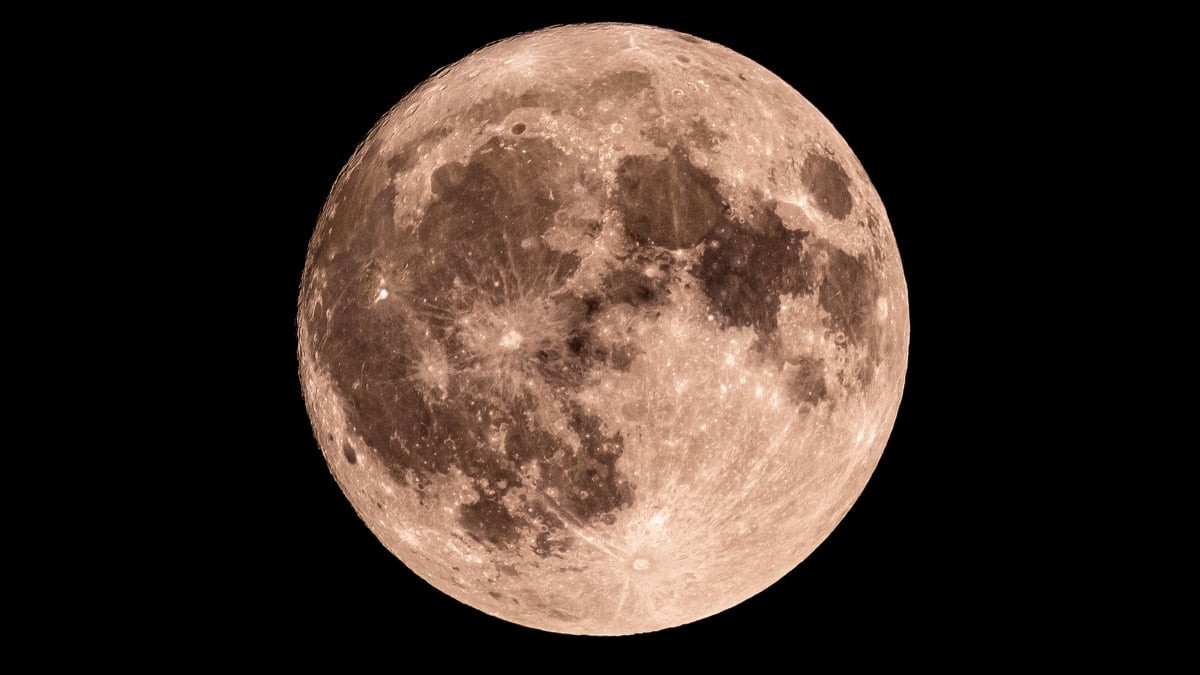
As of January 6, 2025, the Moon is in its Waning Gibbous phase, meaning it’s past full but still brightly visible in the night sky. Approximately 87% of the lunar surface is illuminated, making it a striking sight for observers. This phase marks the beginning of the Moon’s diminishing light as it moves toward the next New Moon.
What You Can See
The Waning Gibbous phase offers excellent viewing opportunities even without special equipment. Keen observers can easily spot prominent features like the Mare Imbrium (Sea of Rains), the Aristarchus Plateau, and the Copernicus Crater with the naked eye.
Binoculars reveal far more detail, including the lunar mountain ranges: the Alps Mountains (distinct from their European counterparts) and the Apennine Mountains, alongside the dark, smooth plains of the Mare Humorum (Sea of Tranquility).
For advanced viewing, a telescope opens up even more possibilities. Enthusiasts can locate the Apollo 15 and 17 landing sites, and the sharp, well-defined Schiller Crater.
Understanding Lunar Phases
The Moon’s phases aren’t random; they’re a result of its 29.5-day orbit around Earth. The Moon doesn’t generate light itself, it reflects sunlight. As it orbits, the amount of sunlit surface visible from Earth changes, creating the familiar cycle of phases.
The eight distinct phases are:
- New Moon: The Moon is between Earth and the Sun, so the side facing us is dark.
- Waxing Crescent: A thin sliver of light appears on the right side.
- First Quarter: Half of the Moon is lit on the right.
- Waxing Gibbous: More than half is lit, but it’s not full.
- Full Moon: The entire visible face is illuminated.
- Waning Gibbous: The Moon begins to lose light on the right side.
- Third Quarter: Half of the Moon is lit on the left side.
- Waning Crescent: A thin sliver of light remains on the left before becoming dark again.
When to Expect the Next Full Moon
The next Full Moon will occur on February 1, 2025, following the current cycle’s progression. The previous Full Moon occurred on January 3, 2025, marking the beginning of this current cycle.
The lunar cycle is a constant reminder of the predictable, yet beautiful, mechanics of our solar system. Understanding these phases enhances our appreciation for the celestial rhythms that govern Earth’s environment.