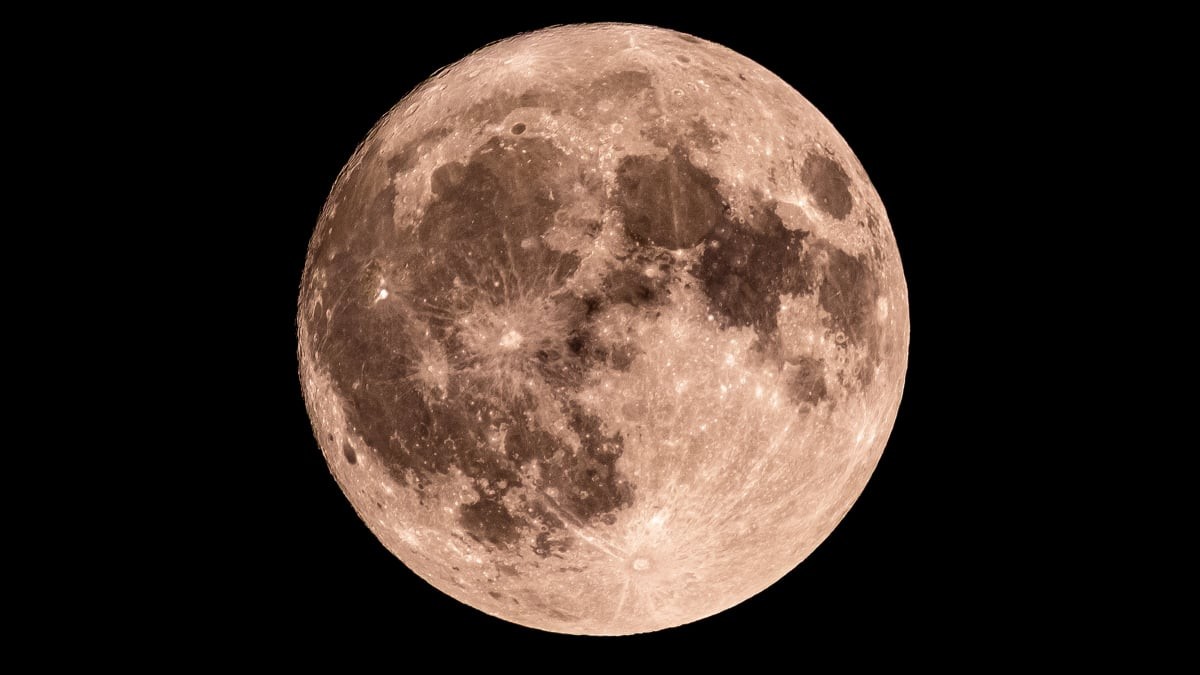
As of today, March 4, 2026, the Moon is in its Waning Gibbous phase. This means that after the recent Full Moon, the illuminated portion visible from Earth will continue to decrease each night. Currently, approximately 99% of the Moon’s surface is lit, making it a striking sight in the night sky.
What You Can See Tonight
With just your eyes, you can observe prominent lunar features like the Aristarchus Plateau, the Copernicus Crater, and the Mare Serenitatis. Binoculars will reveal even more detail: the Mare Nectaris, Archimedes Crater, and Endymion Crater. For those with telescopes, the possibilities expand dramatically. You might even spot the Apollo 15 and 16 landing sites, along with the rugged Fra Mauro Highlands.
The Lunar Cycle Explained
The Moon orbits Earth in roughly 29.5 days, cycling through eight distinct phases. Although we only ever see one side of the Moon, the amount illuminated by the Sun changes as it travels, creating the phases we recognize.
Here’s a breakdown of those phases:
- New Moon : The side facing Earth is dark, rendering the Moon invisible.
- Waxing Crescent : A sliver of light appears on the right side (in the Northern Hemisphere).
- First Quarter : Half of the Moon is lit on the right, resembling a half-Moon.
- Waxing Gibbous : More than half is illuminated, nearing fullness.
- Full Moon : The entire visible face is bright.
- Waning Gibbous : Light begins to fade on the right side.
- Third Quarter (Last Quarter) : Half of the Moon is lit on the left.
- Waning Crescent : A thin sliver remains on the left before disappearing.
When to Expect the Next Full Moon
The next Full Moon in North America is predicted for April 1, 2026. Observing these phases helps track the Moon’s position and appearance over time, enriching our understanding of celestial rhythms.
The lunar cycle is a reliable natural clock. Understanding these phases provides insight into not only astronomical phenomena but also historical timekeeping and cultural traditions.