The early stages of gardening often involve nurturing delicate seedlings indoors, but this protected environment can lead to weak, leggy plants prone to collapse once exposed to the outside world. However, a simple, almost whimsical technique – stroking seedlings – has proven surprisingly effective in strengthening them. This isn’t folklore; it’s rooted in plant biology.
The Problem with Indoor Seedlings
Seedlings started indoors face a unique challenge. Shielded from harsh weather and pests, they lack the environmental stress that naturally encourages robust growth. This often results in etiolation : plants stretching tall and thin in search of light, making them fragile and susceptible to breakage. For commercial growers, this is a multi-billion-dollar problem. While chemical solutions exist, they aren’t readily available to home gardeners.
The Science of Touch: Thigmomorphogenesis
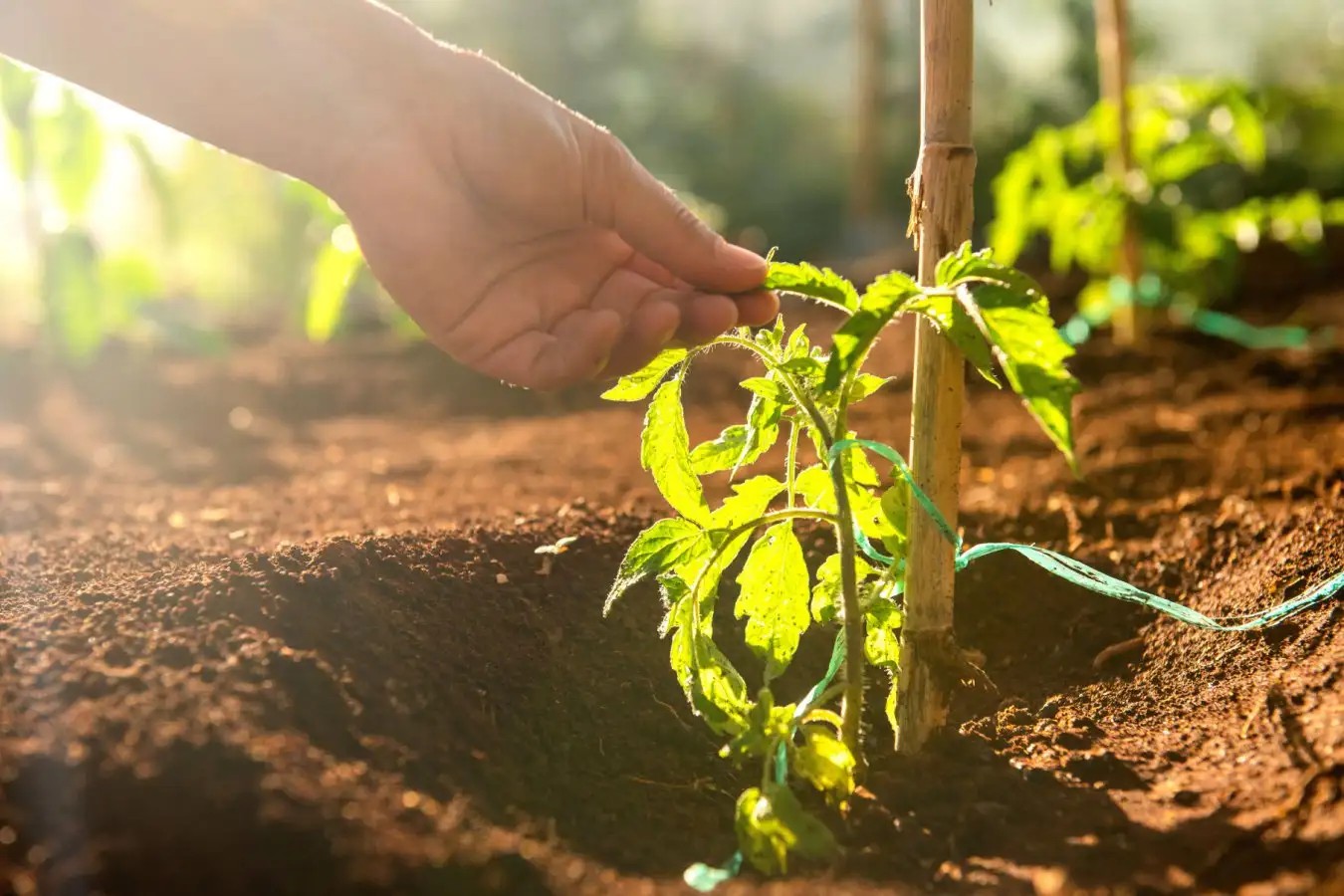
Fortunately, research shows that mechanical stimulation – rubbing, shaking, or stroking seedlings – can dramatically improve their structure. This phenomenon, called thigmomorphogenesis, causes plants to adapt to physical forces by developing thicker stems, stronger tissues, and a shorter, stockier build.
While the exact cellular mechanisms are still being studied, the benefits are clear: mechanically stimulated seedlings are not only sturdier but also more resistant to pests and drought. This has been demonstrated across common garden plants like tomatoes, lettuce, petunias, and marigolds.
How to Implement: It’s Easier Than You Think
Commercial growers have been using machinery to apply this stimulus since the 1970s, but replicating the effect at home is remarkably simple. As little as 10 gentle strokes per seedling, once a day, can reduce excessive stem elongation by 20-50%.
You can use tools like an envelope, a feather duster, or even your hands. The investment is minimal – just 10 seconds a day – for a significant improvement in seedling health.
Mechanical stimulation is an accessible and scientifically-backed way to ensure your seedlings are strong enough to thrive when transplanted outdoors.
This technique offers a simple yet effective solution to a common gardening problem, backed by decades of research and easily applied by anyone with a windowsill and a few spare moments.