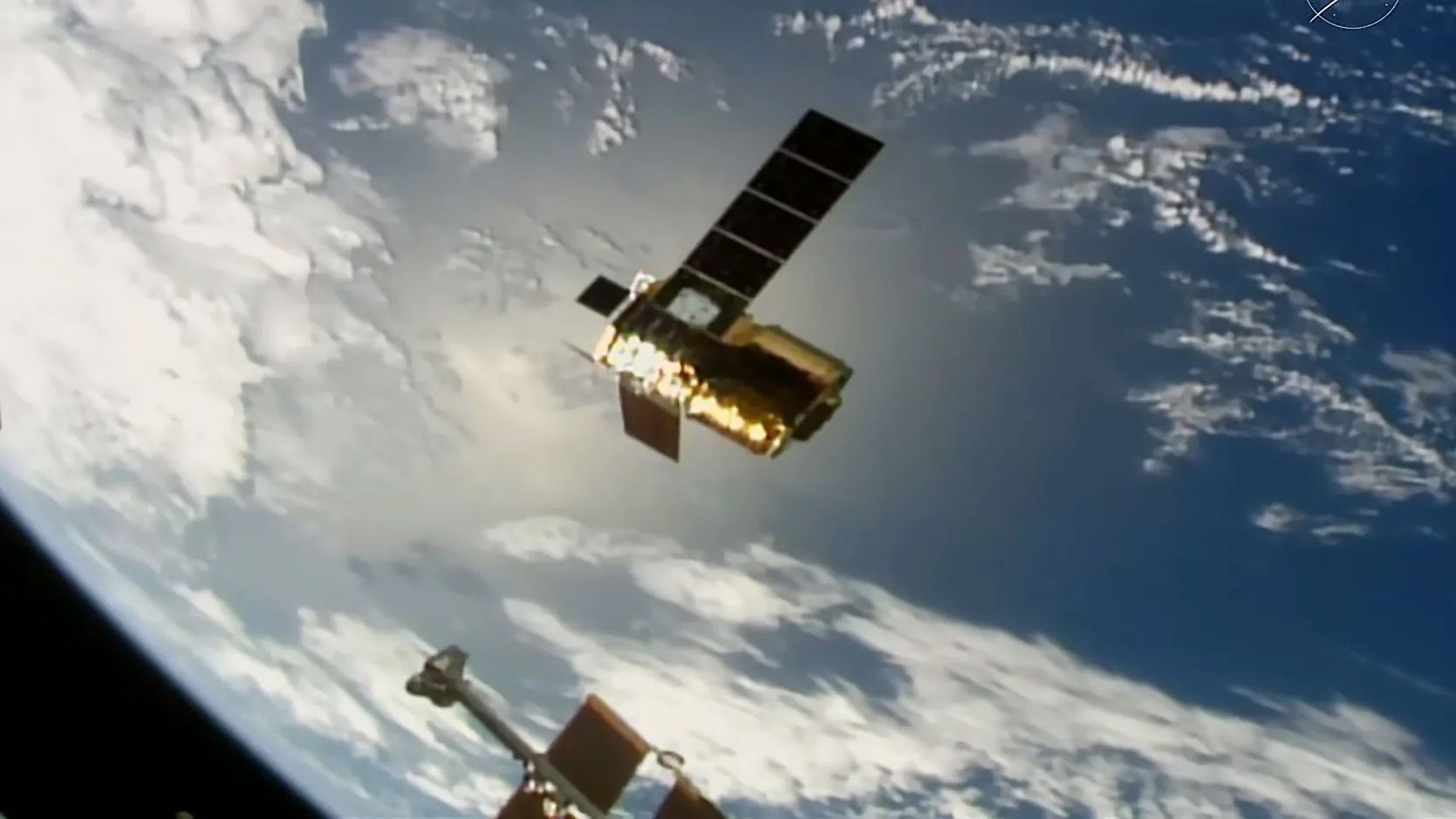
Japan’s next-generation cargo spacecraft, the HTV-X, has completed its inaugural four-month stay at the International Space Station (ISS) and departed on March 6th. The unmanned vehicle, designated HTV-X1, was released by the station’s robotic arm (Canadarm2) precisely on schedule at 12:00 PM EST (1700 GMT).
Transition from HTV to HTV-X: A New Era of Cargo Delivery
The HTV-X represents an upgrade over Japan’s previous H-II Transfer Vehicle (HTV), which successfully delivered nine cargo missions to the ISS between 2009 and 2020. While the HTV program proved reliable, the HTV-X introduces new capabilities and is intended to ensure continued, independent cargo resupply for the ISS.
The first HTV-X mission launched on October 25th, carrying approximately 4,080 kilograms (9,000 pounds) of essential supplies, including food and experimental equipment, to the orbiting laboratory. The spacecraft docked with the Harmony module on October 28th, where it remained until its recent detachment.
Scientific Role Before Disposal
Before being decommissioned, HTV-X1 will function as a free-flying platform for over three months, conducting experiments for the Japan Aerospace Exploration Agency (JAXA). This extended operational phase allows for unique research opportunities in a low Earth orbit environment.
After its scientific duties are complete, the spacecraft will be commanded to reenter Earth’s atmosphere, where it will safely burn up, while also disposing of several tons of waste material collected from the ISS. The controlled reentry ensures the responsible management of space debris.
The Landscape of ISS Resupply
The HTV-X joins a fleet of other cargo vehicles servicing the ISS, including Russia’s Progress spacecraft, Northrop Grumman’s Cygnus, and SpaceX’s Dragon. Notably, Dragon is the only resupply vessel currently in operation that is designed for reuse, reducing the overall cost and environmental impact of orbital logistics.
The HTV-X program highlights Japan’s continued commitment to space exploration and its critical role in maintaining the ISS as a functioning research hub. This successful first mission sets the stage for future HTV-X operations and underscores the international cooperation necessary for sustained human presence in space.