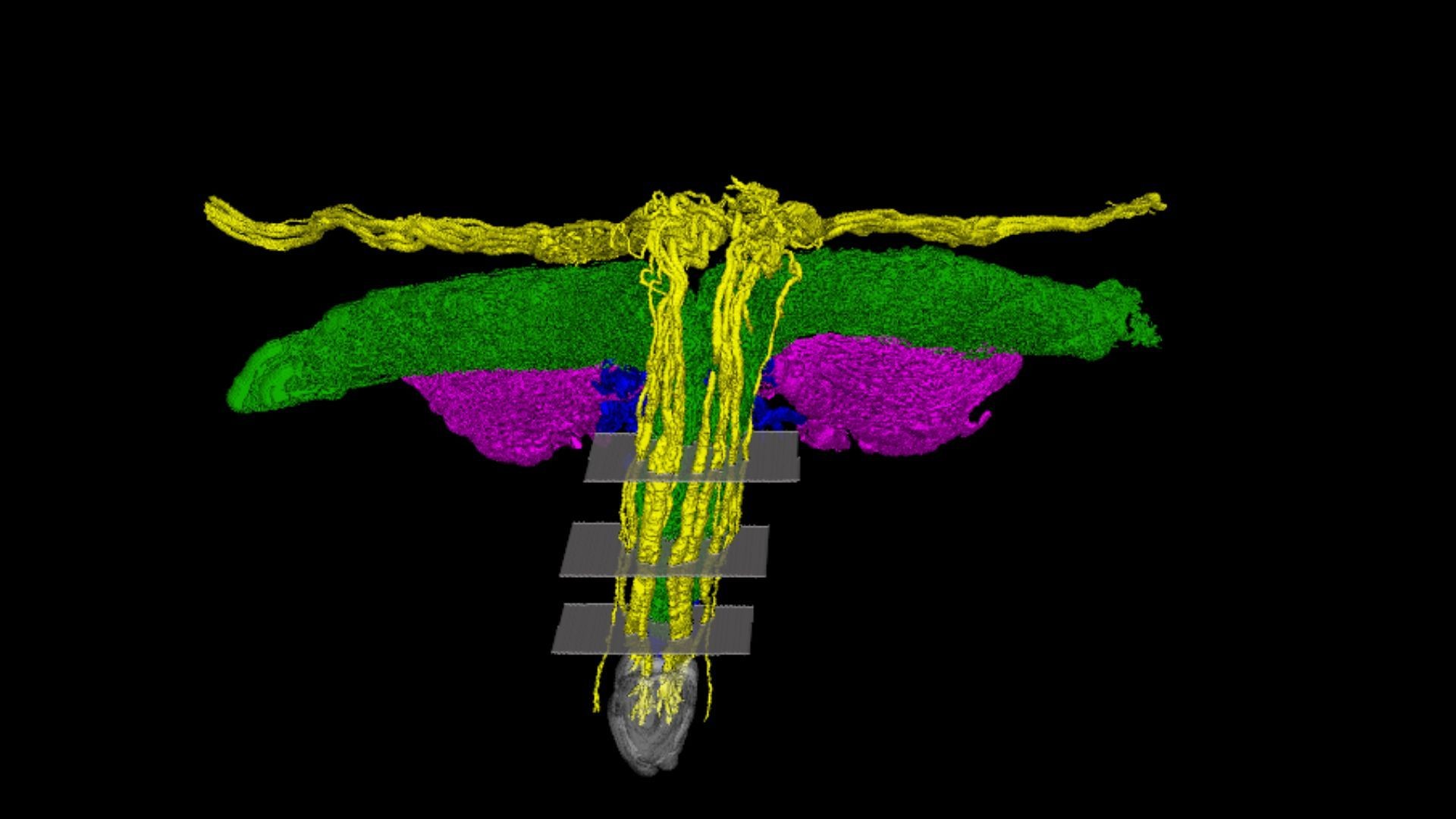
For centuries, the clitoris has been an understudied organ, largely due to societal taboos and the technical challenges of mapping its complex nervous system. Recent research has changed this, providing the most detailed three-dimensional map of clitoral nerves to date. This advancement isn’t merely academic; it has significant implications for reconstructive surgery, nerve preservation during other procedures, and a broader understanding of female sexual function.
The Historical Neglect of Female Genital Anatomy
The clitoris, once dismissed as a “shameful member” by historical anatomists, has long been overlooked in medical research. Dissection is difficult, and until recently, imaging technologies haven’t been refined enough to capture the delicate neural structures in sufficient detail. This historical bias reflects broader patterns of underrepresentation in the study of female anatomy, with research often prioritizing male physiology.
New Imaging Reveals Unexpected Complexity
Researchers at Amsterdam University Medical Centers used synchrotron-based X-ray imaging to map the nerves of two donated pelvises postmortem. The key finding? The dorsal nerve of the clitoris (DNC), previously thought to taper off near the glans, actually extends a robust network of branches into the glans itself. It also connects to the mons pubis and clitoral hood, showing a more extensive neural architecture than previously understood.
This is significant because it challenges existing assumptions about clitoral innervation and opens new avenues for surgical intervention. The study, published as a preprint on bioRxiv, hasn’t yet undergone peer review, but the initial data is compelling.
Practical Applications: Repairing Damage, Protecting Function
The immediate impact of this research is in reconstructive surgery. For patients who have undergone female genital mutilation (FGM) – a practice condemned as a human rights violation by the World Health Organization – precise nerve mapping can dramatically improve restoration efforts.
However, the benefits extend beyond FGM repair. Many other surgeries near the vulva risk accidental nerve damage, which can have devastating consequences for sexual function. Better anatomical knowledge means surgeons can operate with greater precision, minimizing harm. Dr. Blair Peters, a specialist in genital nerve procedures at Oregon Health & Science University, notes that there’s historically been little overlap between genital surgeons and nerve specialists. This study bridges that gap.
A Broader Shift in Medical Recognition
The growing recognition of genital nerves is partly fueled by insights from gender-affirming surgeries, where nerve preservation is crucial for optimal outcomes. Despite progress, the genital region remains a “black box” in many medical contexts. Peripheral nerve treatments exist for nearly every other part of the body, but the genitals have been comparatively unexplored.
This research is a step toward rectifying that imbalance, offering a foundation for improved medical care. The lead author, Dr. Ju Young Lee, plans to expand the study to include a wider range of ages and samples, recognizing this work as just the beginning of a new era in clitoral science.
“This anatomic work is super important to better treat a lot of medical conditions that for the most part have very limited options,” says Dr. Peters.
The detailed mapping of the clitoris isn’t just about anatomy; it’s about acknowledging the complexity of female sexual function and ensuring that medical practices catch up with scientific understanding.