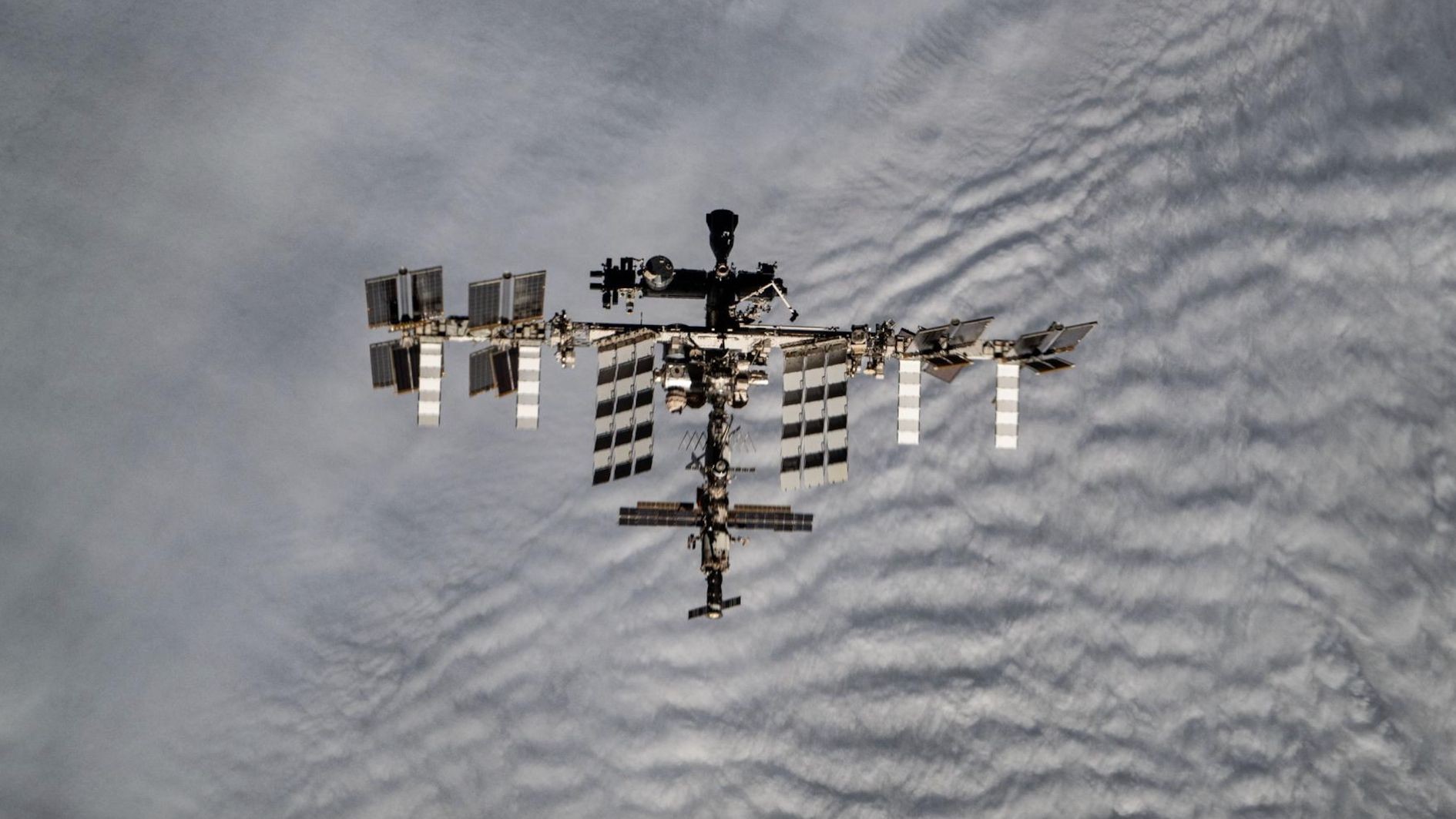
The International Space Station (ISS), a symbol of international collaboration in space, may continue operations until 2032 under a new NASA Authorization bill advanced by the U.S. Senate Committee on Commerce, Science and Transportation. This extension marks a shift from the previously planned deorbiting date of late 2030, and underscores a strategic move to maintain American dominance in low Earth orbit (LEO) as China rapidly develops its own space capabilities.
The Geopolitical Context
The bill’s primary justification, as stated by the committee, is to avoid a gap in continuous human presence in LEO. This is not simply about scientific continuity. It is, first and foremost, about preventing China from seizing leadership in space before commercial stations are ready to take over.
This urgency stems from China’s own rapid progress. Beijing launched the core module of its Tiangong space station in 2021, completing construction in 2022. China intends to operate Tiangong into the mid-2030s, creating a direct competitor to the aging ISS. The committee’s concerns were highlighted in a September hearing titled “There’s a Bad Moon on the Rise,” emphasizing the need to outpace China in both lunar and LEO missions.
Commercial Alternatives and Skepticism
The U.S. strategy relies on transitioning to commercial space stations developed through NASA’s Commercial LEO Destinations program. Over $500 million has been allocated since 2021 to companies like Blue Origin and Voyager Technologies, which are building Orbital Reef and Starlab, respectively. Startups like Vast and Axiom Space are also vying for a role in the future of LEO.
However, the Senate committee expresses skepticism about whether these commercial stations will be fully operational by 2030. The bill specifically instructs NASA not to decommission the ISS until viable replacements are ready, ensuring continuous human presence regardless of delays in commercial development.
Funding and Lunar Ambitions
Beyond the ISS extension, the bill also rejects President Trump’s proposed budget cuts for NASA. Instead, it allocates $24.7 billion for fiscal year 2026 and $25.3 billion for fiscal year 2027, a significant increase from the $18.8 billion Trump requested. A key provision directs NASA to begin construction of a crewed base on the moon, further solidifying long-term lunar objectives as part of the Artemis program. This lunar base is envisioned as a hub for scientific research, technology development, and strategic operations.
“A sustained human and robotic presence at the lunar base will support priority scientific investigations that lay the foundation for a successful mission to Mars,” the Senate science committee stated in a press release.
Next Steps
The bill now moves to the full Senate and House of Representatives for approval before potentially being signed into law by President Trump. If enacted, the ISS extension would represent a clear statement of intent: the U.S. is committed to maintaining its leadership in space, even if it means prolonging the life of an aging international asset while commercial alternatives catch up.