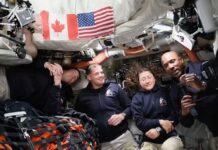
When astronaut Reid Wiseman received the news that he would command NASA’s Artemis II mission, his reaction was far from the celebratory jubilation one might expect. Instead, he felt the heavy weight of responsibility—not just to his crew, but to his two daughters, for whom he is the sole parent.
“It was not like you just won the lottery and you’re running out and jumping for joy,” Wiseman shared during a recent appearance on NASA’s Curious Universe podcast.
The High Stakes of Artemis II
The gravity of Wiseman’s reaction is rooted in the unprecedented risks associated with this specific mission. Artemis II is not merely another flight; it represents a monumental leap in space exploration with several critical variables:
- A Half-Century Gap: This mission marks the first time humans will travel to the Moon in over 50 years.
- Unproven Technology: The mission utilizes a spacecraft designed to carry humans that has not yet been tested in a crewed environment.
- The Margin for Error: In deep space exploration, the distance from Earth means that any technical failure carries much higher stakes than low-Earth orbit missions.
The Invisible Crew: Supporting the Families
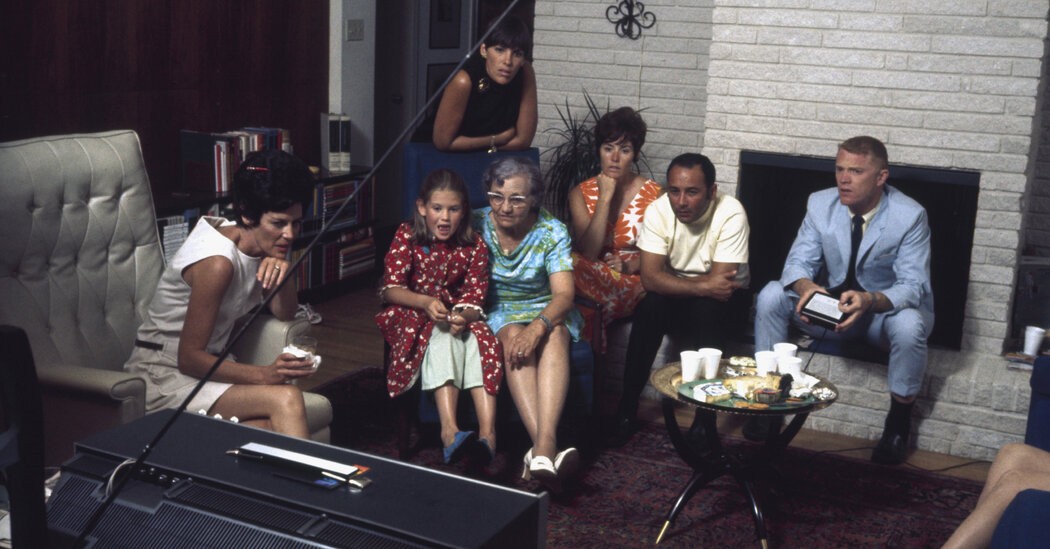
While much of the public focus remains on the astronauts themselves, NASA is increasingly recognizing that the mission’s success is inextricably linked to the well-being of the families left behind.
The psychological pressure of spaceflight is not a single event that begins at liftoff. According to James Picano, a psychologist at NASA’s Johnson Space Center, the stress is a long-term endurance test.
“The launch is a capstone stress event,” Picano noted. “But there’s an incredible amount of stress on a family before the launch even happens.”
This “pre-launch stress” stems from the months of intensive training, the increasing physical separation, and the looming uncertainty of the mission’s outcome. For families, the mission begins long before the rocket leaves the pad, creating a unique psychological burden that NASA is working to address through specialized support systems.
Why This Matters
As NASA moves toward a more permanent human presence on and around the Moon, the “human factor” becomes a central logistical challenge. The agency is realizing that to sustain long-term space exploration, they must support not just the pioneers in the cockpit, but the support systems—the families—that sustain them on Earth.
The Artemis II mission highlights that space exploration is as much a psychological challenge for those on the ground as it is a technical challenge for those in orbit.