


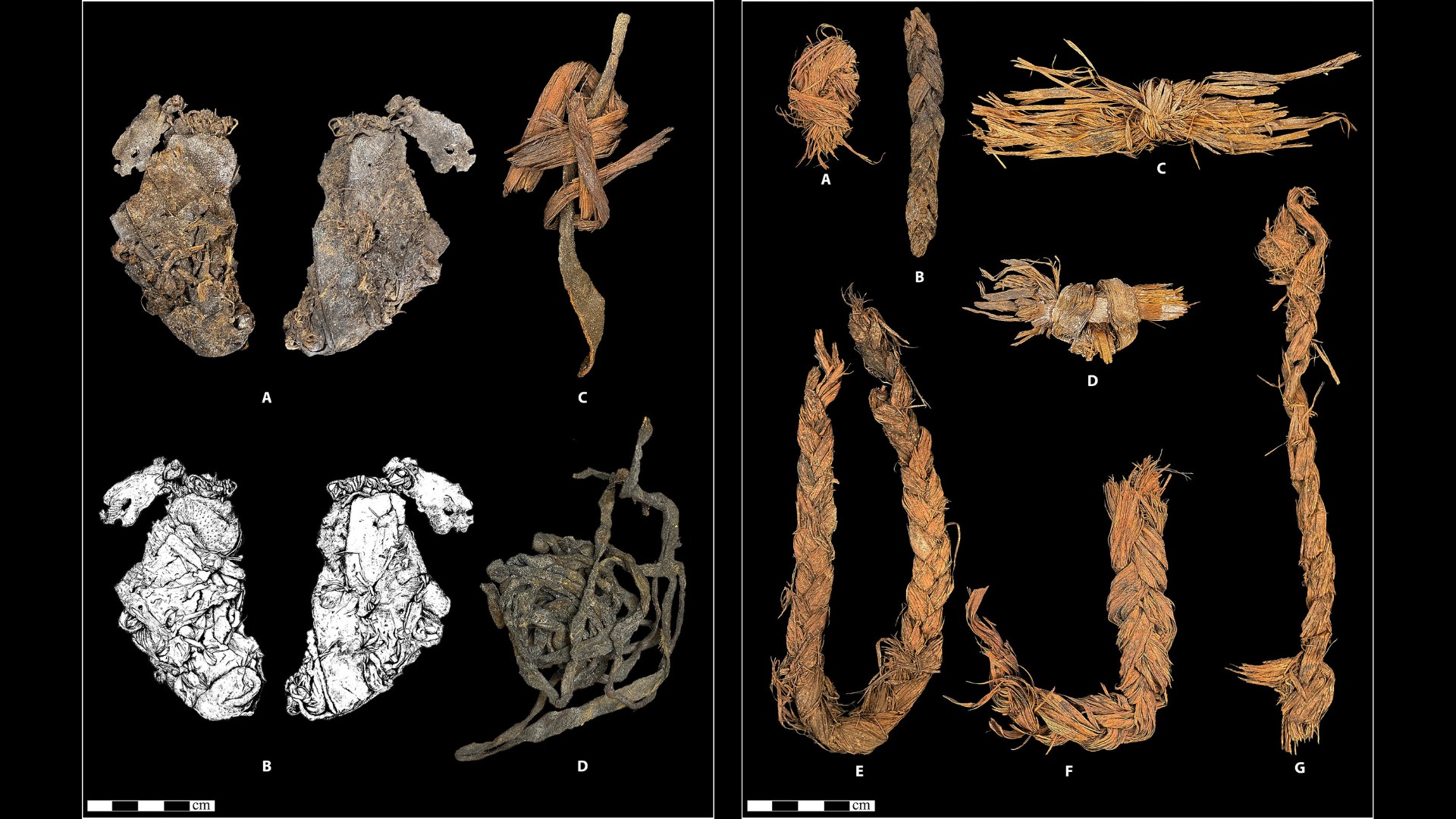
Archaeologists have confirmed that fragments of animal hide, discovered in Oregon caves, represent the oldest known sewn clothing in the world, dating back roughly 12,000 years. This discovery provides direct evidence that Indigenous people in North America not only survived the last ice age but did so with sophisticated technology previously assumed lost to time.
Perishable Evidence, Lasting Impact
The artifacts—sewn hide fragments, cords, and twine—were first unearthed in 1958 but only recently subjected to rigorous radiocarbon dating. The analysis, published in Science Advances, places the materials firmly within the Younger Dryas period (12,900 to 11,700 years ago), a time of extreme cold in the Northern Hemisphere.
This matters because clothing is rarely preserved in archaeological contexts. The fact that these fragments exist at all is remarkable. Most tools of this era have either decayed entirely or been lost to erosion. The survival of these textiles offers a rare glimpse into the daily lives of those who lived through the last glacial maximum.
Beyond Survival: Craftsmanship and Culture
The hides, confirmed to be from North American elk, were skillfully dehaired and sewn together using cords braided from sagebrush, dogbane, juniper, and bitterbrush fibers. These cords varied in width, suggesting a range of uses beyond simple clothing construction. This indicates an advanced understanding of materials and weaving techniques.
“We already knew they did, we just had to assume and guess what they were like,” says study lead author Richard Rosencrance. “They were accomplished and serious sewists during the Ice Age.”
The presence of finely crafted bone needles—some with eyes small enough for detailed stitching—and even possible ornamental items suggests that clothing was not merely functional but also served as a form of cultural expression and identity. This is a key insight: people weren’t just surviving the cold; they were adapting to it with ingenuity and artistic flair.
A Climate-Driven Shift
The disappearance of eyed bone needles from the archaeological record after 11,700 years ago coincides with the warming of the climate. This suggests that tight-fitting, heavily insulated clothing became less essential as conditions improved. The evidence suggests that while these early peoples were adept at surviving extreme cold, their clothing technology was directly tied to the prevailing environmental pressures.
The discovery reinforces that the Americas were a hub for innovation during the Late Pleistocene, with only a handful of similar perishable artifact sites found in the Western Hemisphere. Further research is needed to determine how widespread this technology was across different regions.
Ultimately, these findings rewrite our understanding of human adaptation during the last ice age, confirming that Indigenous North Americans were pioneers in textile engineering and survival strategies. The discovery is a testament to the ingenuity of early peoples and the resilience of human culture in the face of extreme environmental challenges.


