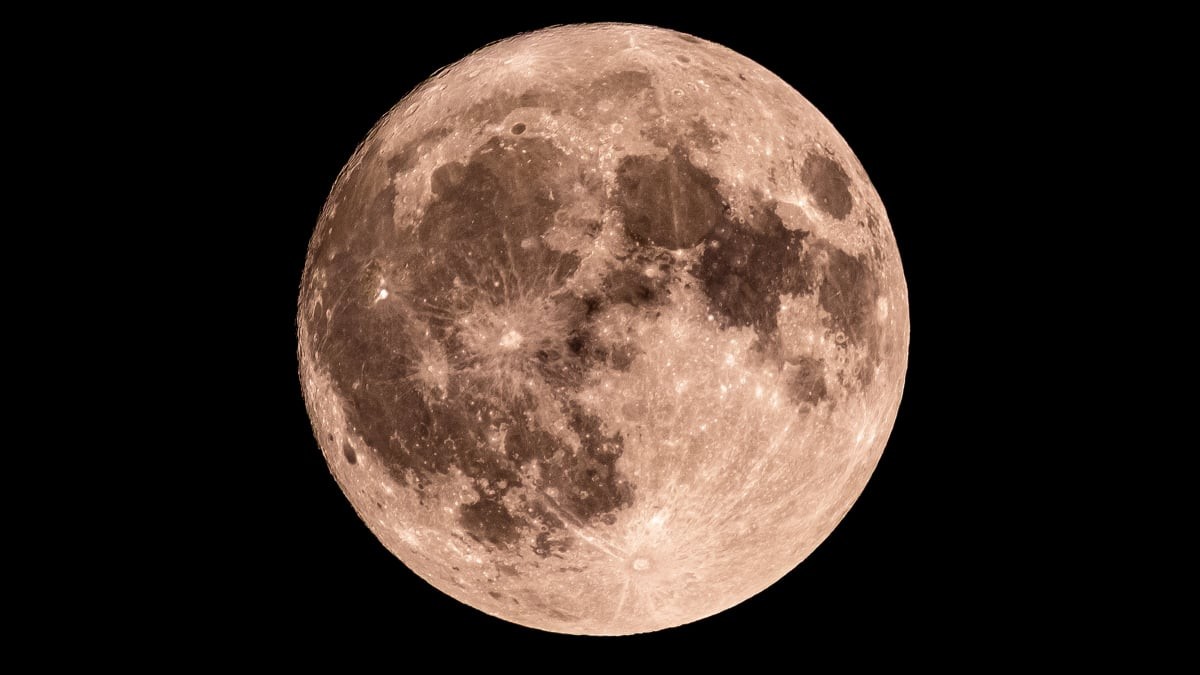
Tonight, March 9, 2026, the Moon is in its Waning Gibbous phase. Approximately 61% of the Moon’s surface is illuminated, making it a favorable night for observation. This means the Moon is past its full phase and gradually shrinking towards a crescent shape.
What You Can See Without Equipment 🔭
Even without binoculars or telescopes, several lunar features are visible tonight. Look for the dark, smooth plains known as Mare Imbrium (the Sea of Rains) and Mare Vaporum (the Sea of Vapors). The prominent Tycho Crater, with its bright rays extending across the surface, is also easily identifiable.
Enhanced Viewing with Binoculars and Telescopes 🔍
If you have binoculars, you can spot additional craters like Gassendi and Archimedes. A telescope reveals even more detail, including the Clavius Crater, the historic Apollo 12 landing site, the winding channel of Rima Ariadaeus, and the rugged Caucasus Mountains. These features showcase the Moon’s dynamic geological past, formed by ancient impacts and volcanic activity.
The Lunar Cycle Explained 🔄
The Moon orbits Earth in about 29.5 days, going through eight distinct phases as the angle between the Sun, Earth, and Moon changes. Despite always seeing the same side of the Moon, the amount of illuminated surface varies, creating the phases we observe:
- New Moon: The Moon is dark and invisible.
- Waxing Crescent: A sliver of light appears on the right side.
- First Quarter: Half of the Moon is lit.
- Waxing Gibbous: More than half is lit.
- Full Moon: The entire face is illuminated.
- Waning Gibbous: Light begins to fade on the right side.
- Third Quarter: Half of the Moon is lit (left side).
- Waning Crescent: A thin sliver remains before becoming dark again.
When Is the Next Full Moon? 🗓️
The next Full Moon in North America is predicted for April 1st. This cycle is a reliable calendar for our nearest celestial neighbor. The lunar phases have been tracked for millennia, influencing cultures and even agricultural practices.
The Moon’s phases aren’t just about aesthetics; they influence tidal patterns and, historically, human timekeeping. Observing the Moon is a simple yet profound connection to the cosmos.