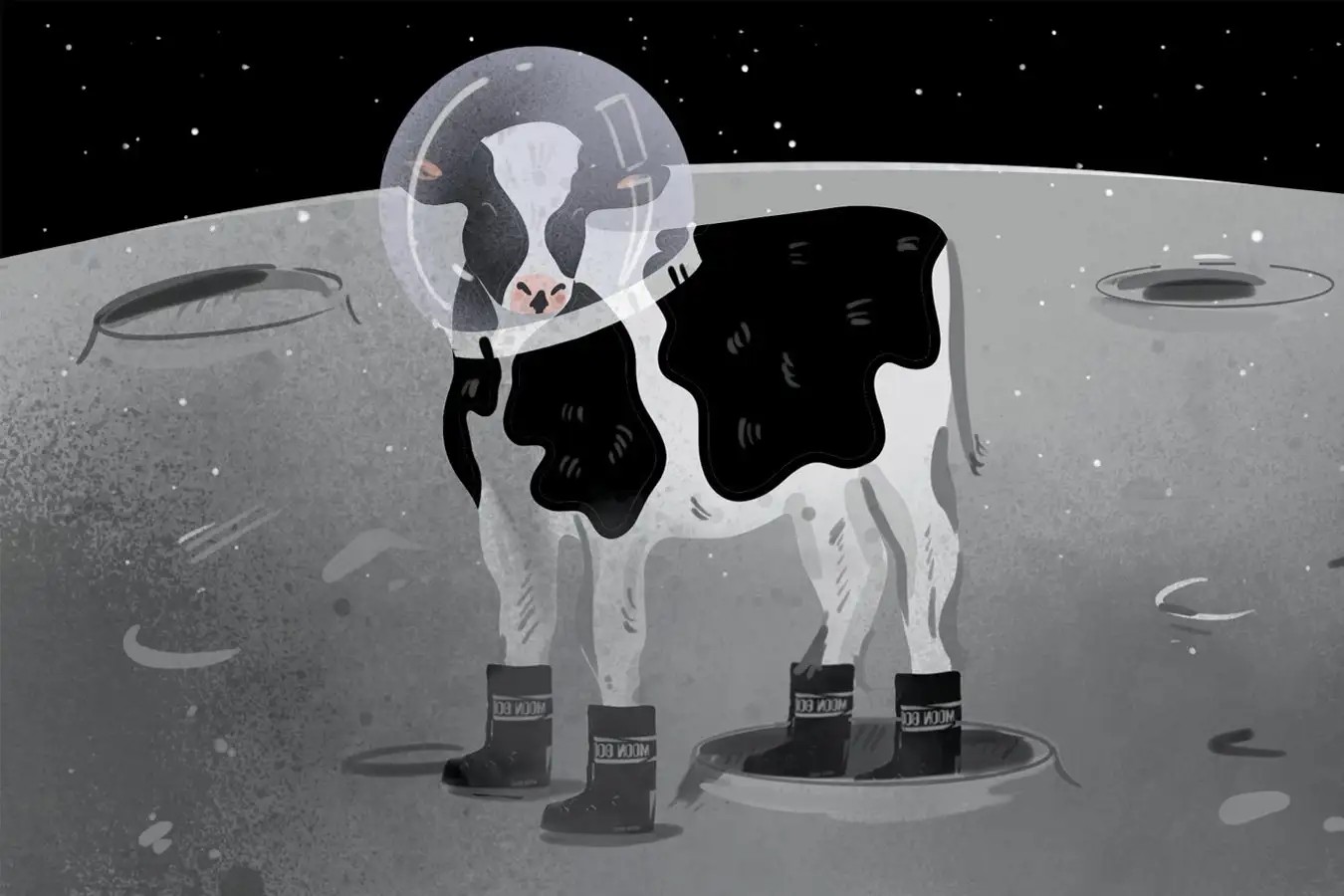
For over half a century, the moon has been mostly visited by robots and dreams. But now, with NASA’s Artemis program aiming for crewed landings by 2028, the idea of a sustained human and commercial presence on our natural satellite is gaining traction – and attracting the attention of the corporate world.
Accounting firm PwC recently released a lunar market assessment, projecting that lunar surface activities could generate $93.9 to $127.3 billion in revenue between 2026 and 2050. The firm identifies five key sectors: mobility, communication, habitation, energy, and water. This isn’t just science fiction; it’s serious economic speculation.
Why does this matter? The growth of the space economy is no longer a distant prospect. The moon is being considered as a potential source of rare resources (like helium-3 for fusion energy) and a stepping stone for deeper space exploration. If these projections hold true, lunar markets could become larger than the GDP of many nations.
However, there’s a catch. PwC’s previous assessment, from 2021, predicted even higher revenues ($170 billion by 2040). The difference suggests that the pace of lunar development may be slower than initially anticipated – a risk given the still-unlaunched Artemis missions.
Beyond economics, the space race raises questions about ownership, sustainability, and potential conflicts over lunar resources. Will the moon become another arena for geopolitical competition, or can it be governed as a shared resource? The answers will depend on international cooperation and the long-term vision for human expansion beyond Earth.
In other news, the medical journal Paediatrics & Child Health admitted that case studies published since 2000 were entirely fictional, despite being used for clinical guidance and inspiring research. And a hydration company timed a press release about the benefits of electrolyte tablets to coincide with World Sleep Day. The line between science, business, and manufactured urgency is getting thinner.
The race to monetize the moon is on, but whether it will yield promised riches remains to be seen.