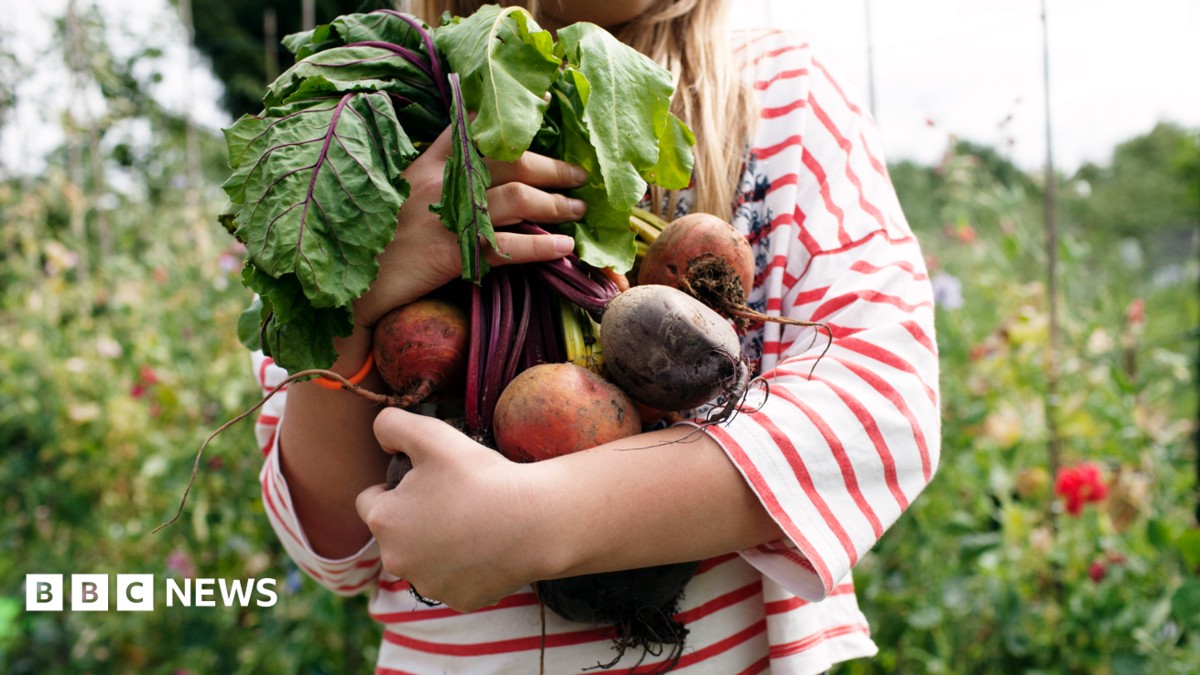
It is hard to grow food when you have no ground to stand on.
In London. Especially now.
Campaigners want a change. Not just in spirit but in statute. They are asking City Hall to establish a “Right to Grow” across the entire capital. It would unlock unused public land for community food gardens. The idea is simple really. Take the wasted spaces. Turn them edible.
Some places have already figured this out. Hounslow. Southwark. Hackney. They have rolled out their own versions of the policy. Wastelands are becoming orchards and allotments. It works where it exists. But why stop at a few boroughs? The Greater London Authority needs to step up. A standardized model is being urged for all thirty-two boroughs plus the City of London itself.
The pressure comes with data.
The London People’s Assembly on Food, Nature and the “Right to Grow” just released a report. It lays out twelve specific demands. The goal is ambitious. Make the capital greener and more edible by 2035. That sounds poetic. The details are administrative. We need dedicated community growing officers in every single borough. Food growing needs to be baked into future health and planning strategies from the start.
City Hall claims it is already increasing access to green space. That is their line. But look at the queues.
At least 30,501 Londoners are waiting for a patch of dirt.
Thirty thousand five hundred people. That number comes from a 2023 freedom of information request handled by Greenpeace. It reveals a broken supply side. Demand crushes availability. Sixteen boroughs have simply stopped accepting new applications for allotments. They are full. Closed books.
Wait. You might be asking why the wait is so long?
In Camden. The list can stretch for twelve years. Twelve years. Imagine planning your vegetable patch over a decade horizon. In Islington. There are only one hundred and six plots available. Just one hundred and six. For around seventeen thousand households who don’t even have a backyard. The math is cruel.
The current patchwork system is not enough. It is reactive. The people pushing for the Right to Grow say it needs to be structural. A baseline right to cultivate your own food on public land that sits empty. It’s not a luxury item. It is infrastructure.
Whether the mayor listens remains unclear. The report is on the desk. The empty land is under our feet. We are still digging in the margins.