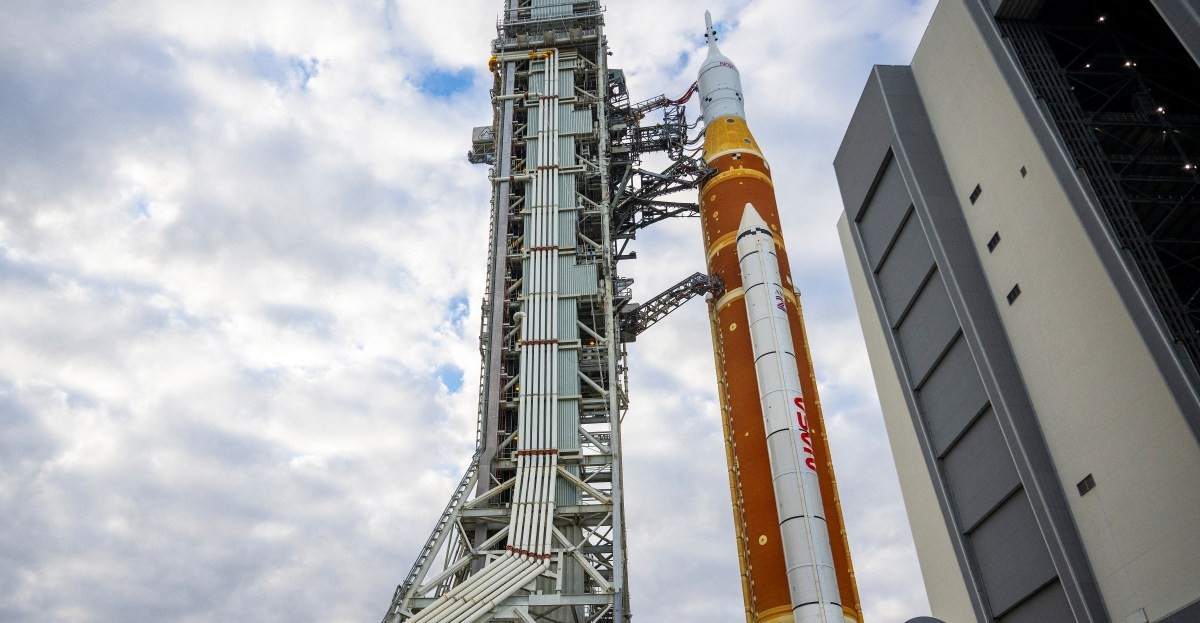
NASA is dramatically reshaping its lunar ambitions, announcing a $20 billion investment in a permanent base on the Moon while simultaneously pausing development of the Gateway space station project. The agency’s new strategy, revealed at the Ignition event on Tuesday, prioritizes sustained surface operations over orbiting infrastructure, reflecting a growing urgency to compete with China’s rapidly advancing space program.
Lunar Base Development: A Phased Approach
The lunar base will be built in three distinct phases. The first will concentrate on establishing essential infrastructure: robust communications, precise navigation systems, and the deployment of robotic landers and vehicles to aid astronaut mobility. Subsequent phases will involve consistent crewed missions to the lunar surface, culminating in a long-term human presence supported by heavier infrastructure deliveries.
NASA intends to fund this project over the next seven years, deploying “dozens of missions” to achieve its goal. This represents a major shift from the original Artemis program’s focus on an orbital outpost, though some Gateway equipment will be repurposed. The decision comes as NASA pushes back its Artemis Moon landing to 2028.
Challenges and Context: Why Now?
Building a habitable lunar base presents formidable challenges. The Moon experiences extreme temperature fluctuations, deadly space radiation, low gravity affecting human physiology, and constant micrometeorite impacts. Overcoming these obstacles requires substantial technological investment and careful planning.
However, the timing of this announcement is not coincidental. NASA Administrator Jared Isaacman has repeatedly emphasized the intensifying space race with China, which plans its own lunar missions by 2030. Isaacman has framed this as a “great-power competition” where “success or failure will be measured in months, not years.” This underscores the geopolitical dimension driving NASA’s accelerated lunar strategy.
Nuclear Propulsion: A Bold Move Towards Mars
Beyond the Moon, NASA is also advancing plans for nuclear-powered interplanetary travel. The Space Reactor-1 Freedom, slated for launch by 2028, will be the first spacecraft of its kind, utilizing nuclear propulsion to reach Mars faster and more efficiently. Once at Mars, it will deploy advanced helicopters modeled after Ingenuity for aerial exploration.
This dual-track approach – a permanent lunar base coupled with nuclear-powered Mars missions – marks a significant escalation in NASA’s long-term space ambitions. The agency is betting that aggressive investment and technological innovation will secure American leadership in space, despite the hurdles and the rising competition.
The shift to a lunar base prioritizes a tangible, sustained presence on the Moon over an orbital station, and signals a clear message: NASA is pivoting toward long-term colonization rather than temporary exploration. The race is on, and NASA is determined to lead.