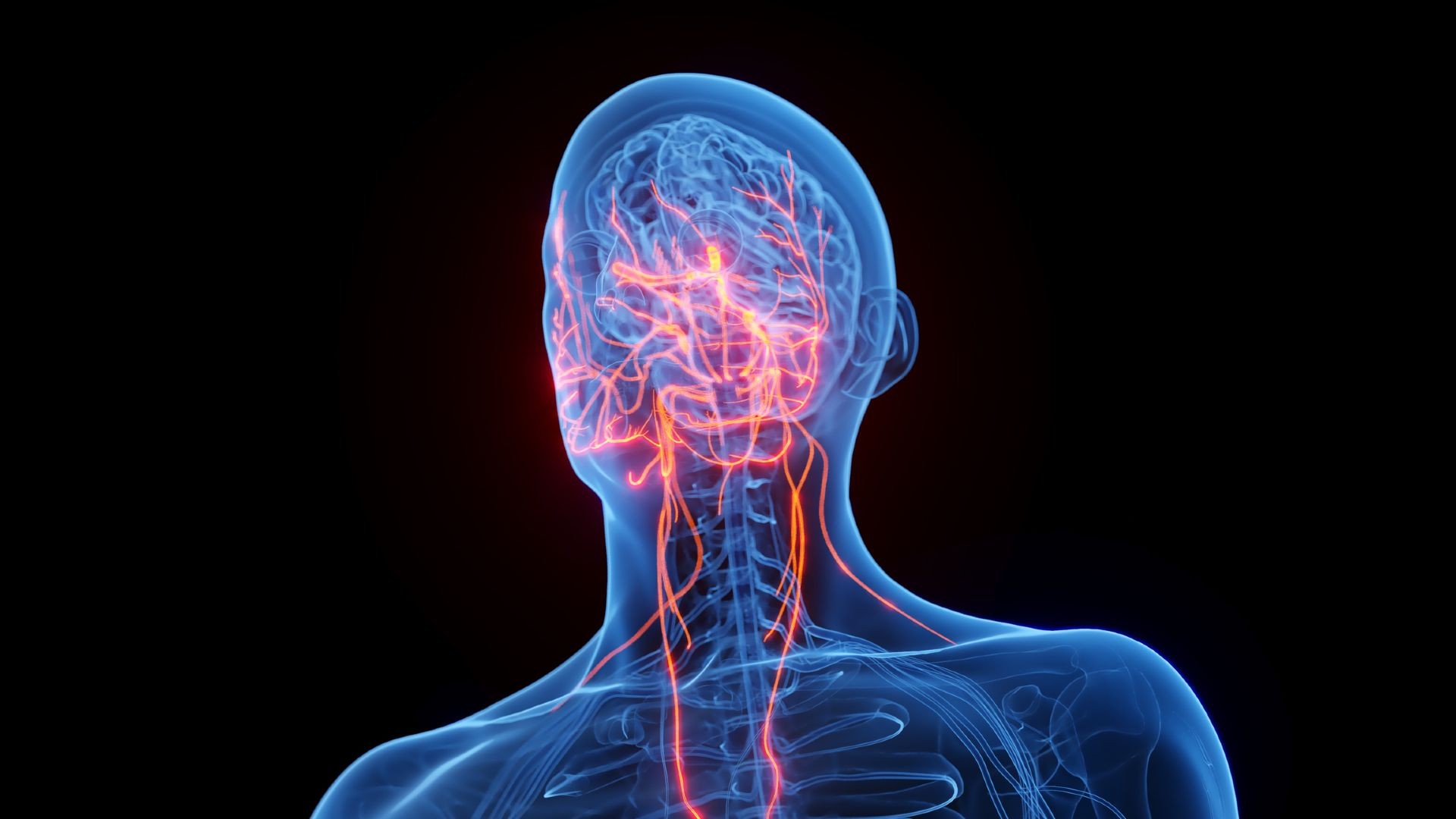
Chronic sleep deprivation isn’t just about fatigue; it actively damages the gut, reducing its ability to regenerate and increasing the risk of inflammatory diseases like Crohn’s and ulcerative colitis. A new study in mice reveals a direct pathway between the brain, the vagus nerve, and intestinal stem cells, showing how even short-term sleep loss disrupts gut function.
Gut Health Linked to Brain Activity
Researchers discovered that when mice were deprived of sleep for just two days, their intestines exhibited signs of oxidative stress. The number of vital gut stem cells decreased by almost 50%, impairing the gut’s natural repair mechanisms. This is significant because gut stem cells maintain the integrity of the intestinal lining, a crucial barrier against inflammation and disease.
The study identified a surge in serotonin levels in the sleep-deprived mice’s guts. While serotonin is necessary for digestion, prolonged exposure to high levels can lead to diarrhea, IBD, and even tumor development. The brain’s sleep center sends signals that disrupt serotonin reuptake, causing it to accumulate in the gut.
The Vagus Nerve as the Key Connection
The critical link between the brain and the gut is the vagus nerve, which regulates communication during stress. When researchers severed this nerve in sleep-deprived mice, serotonin levels normalized, and stem cell counts remained stable. This proves the vagus nerve is the primary conduit for sleep disruption signals reaching the gut. The key chemical messenger triggering this response is acetylcholine, released by the vagus nerve to drive serotonin release.
Why This Matters
This research is especially relevant given that 10% of adults worldwide suffer from insomnia, a condition linked to increased rates of chronic diseases, including IBD, diabetes, and depression. Over 75% of people with IBD also report sleep disturbances, and impaired sleep doubles the risk of relapse. However, most studies on sleep focus on the brain, leaving the gut largely unstudied. This new work demonstrates that the gut is a direct target of sleep loss, with potentially severe consequences.
Future Implications
The researchers are now investigating whether chronic sleep disorders could lead to long-term gut damage, including cancer. They plan to test these findings in human intestinal organoids to confirm the relevance of this pathway in humans. The ultimate goal is to develop therapies targeting the vagus nerve or related molecular pathways to treat gut dysfunction in people with insomnia.
“Every component in this cascade is really important as a target for potential therapy,” said Maksim Plikus, a cell biologist at the University of California, Irvine.
This study underscores that sleep is not just for rest; it’s a fundamental requirement for overall health, including the proper functioning of the digestive system.