Scientists have developed a novel technique to identify stars likely hosting planets, potentially unlocking hundreds of previously undetected exoplanets. The method leverages subtle signals in starlight caused by orbiting debris, effectively turning what was once noise into a planet-hunting shortcut.
The Debris-as-Signal Approach
Many known exoplanets orbit dangerously close to their stars, experiencing intense radiation that strips away their atmospheres and creates swirling clouds of debris. While often considered a hindrance to habitability, this very debris offers a new way to find these worlds. The gas and dust absorb specific frequencies of light from the host star, making the star appear magnetically less active. This “artificial” reduction in magnetic activity serves as a telltale sign for astronomers.
Matthew Standing, lead author of the study, explains that magnetically inactive stars are prime candidates for hosting these close-in exoplanets. The team tested this hypothesis by analyzing 24 stars with low magnetic activity using telescopes in Chile. They monitored these stars for weeks, observing tiny wobbles in their light curves—a signature of gravitational tugs from orbiting planets.
Findings and Implications
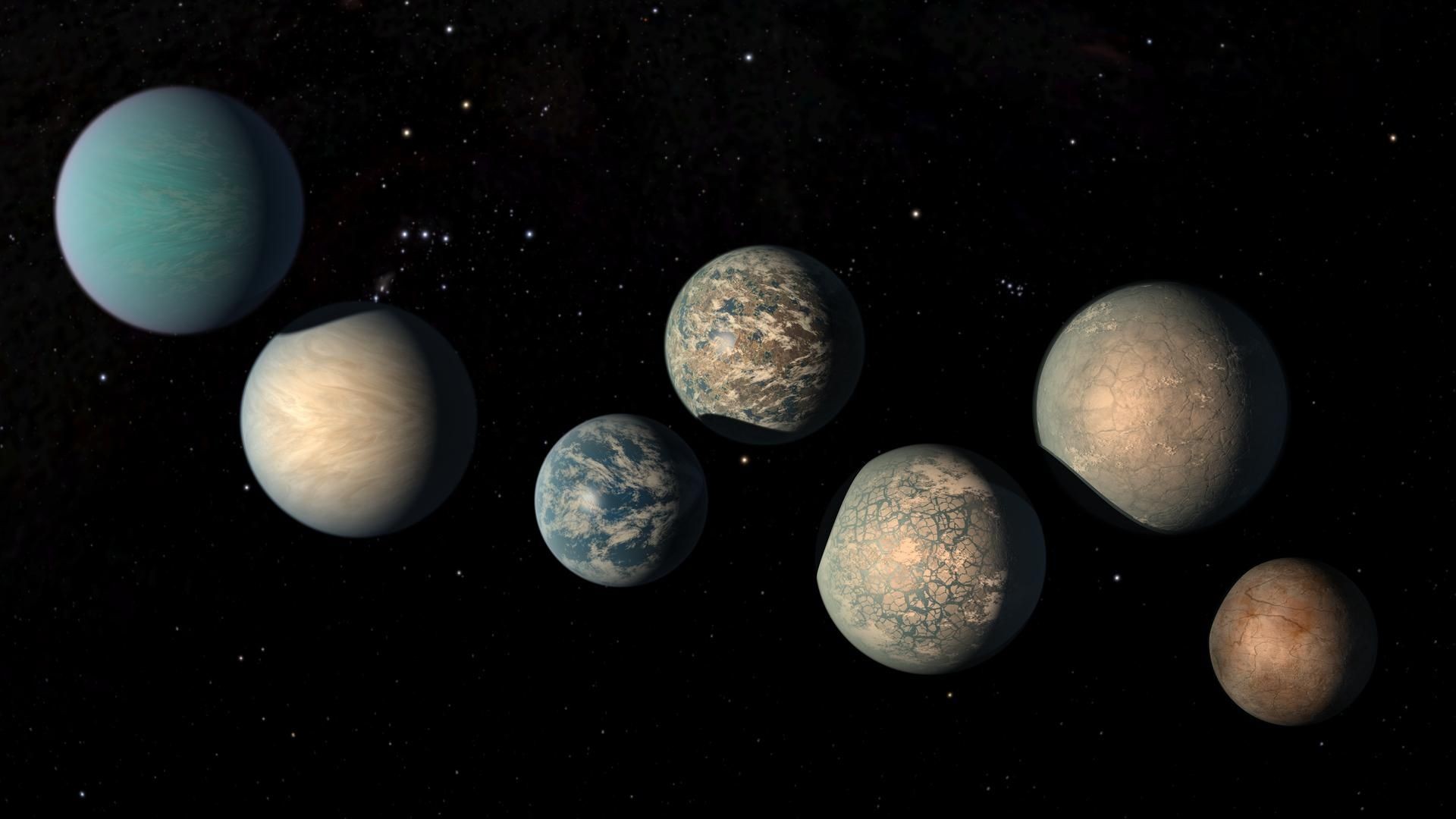
The study, published in Monthly Notices of the Royal Astronomical Society, revealed that 14 of the 24 stars hosted a total of 24 exoplanets, including seven previously unknown worlds. Notably, the occurrence rate of planets around these stars was eight to ten times higher than in other surveys. This confirms the hypothesis that magnetically quiet stars are indeed hotspots for close-in, highly irradiated exoplanets.
The researchers further extrapolated their findings to a list of 16,000 stars within 1,600 light-years, identifying 241 with similar low-activity signatures. Based on the study’s proportions, they estimate these stars may harbor around 300 undiscovered planets.
The Future of Exoplanet Hunting
Standing remains optimistic but cautious: “If confirmed with larger samples, this method could make exoplanet searches more efficient.” The team plans to expand their analysis, continuing to monitor radial-velocity data for additional signs of planetary systems.
This breakthrough suggests that planet hunting doesn’t have to be random. By focusing on stars with specific debris signatures, astronomers can dramatically increase their chances of finding exoplanets and refining our understanding of planetary system formation.