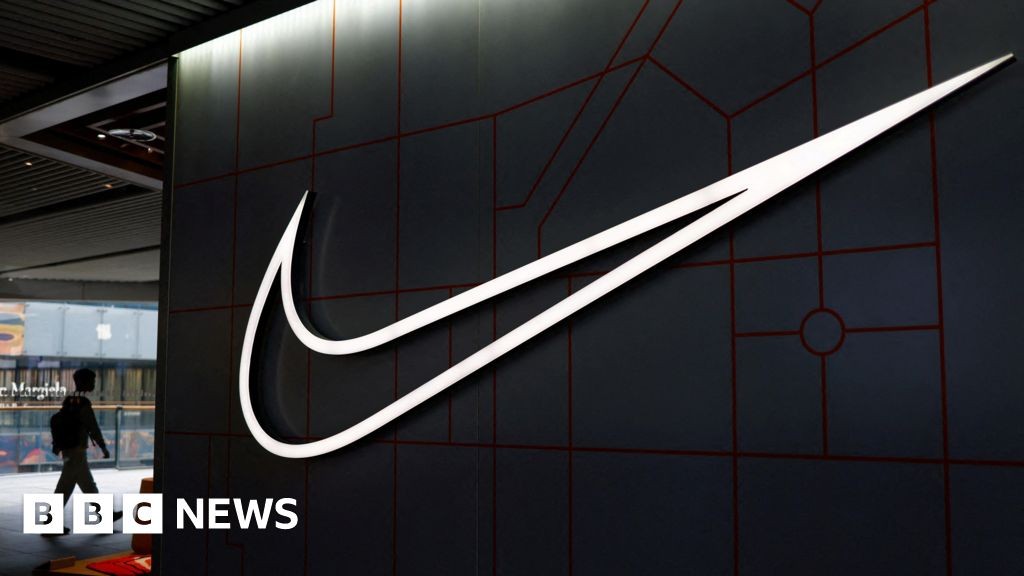
Major brands like Nike, Superdry, and Lacoste have had their advertisements banned in the UK for making unsubstantiated claims about sustainability. The UK’s Advertising Standards Authority (ASA) found the companies used terms like “sustainable materials” and “sustainable clothing” in Google ads without providing sufficient evidence to back them up.
The Crackdown on “Greenwashing”
The ASA enforces strict advertising codes requiring environmental claims to be clear and backed by solid proof. This ruling is part of a broader effort to combat “greenwashing”—where companies exaggerate or falsely promote their environmental efforts. The ASA is now using artificial intelligence (AI) to identify potentially misleading green ads more efficiently.
What the Brands Said (and Why It Didn’t Work)
- Nike claimed its “sustainable materials” tagline referred to the wider availability of recycled products on its site, but the ASA found this too vague. The ad didn’t specify which products were sustainable, leading to a misleading impression.
- Superdry argued customers would interpret “style and sustainability” as meaning clothes were either stylish, sustainable, or both. The ASA ruled this ambiguous wording implied all Superdry products were sustainable, which the company couldn’t prove.
- Lacoste highlighted efforts to reduce its carbon footprint but failed to demonstrate that its products had “no detrimental effect on the environment,” a standard required by the ASA.
Why This Matters
Consumers increasingly demand sustainable products, and companies are eager to capitalize on this trend. However, without transparency and verifiable claims, these efforts can mislead the public. The ASA’s actions send a clear message: brands must substantiate their green claims or face penalties.
The increasing use of AI to monitor advertising ensures stricter enforcement of environmental standards. This trend signals a growing pressure on businesses to provide genuine sustainability rather than relying on vague marketing language.
The rulings serve as a warning to other companies: “high level of substantiation” is no longer optional. Without it, brands risk damaging their reputation and facing regulatory action.