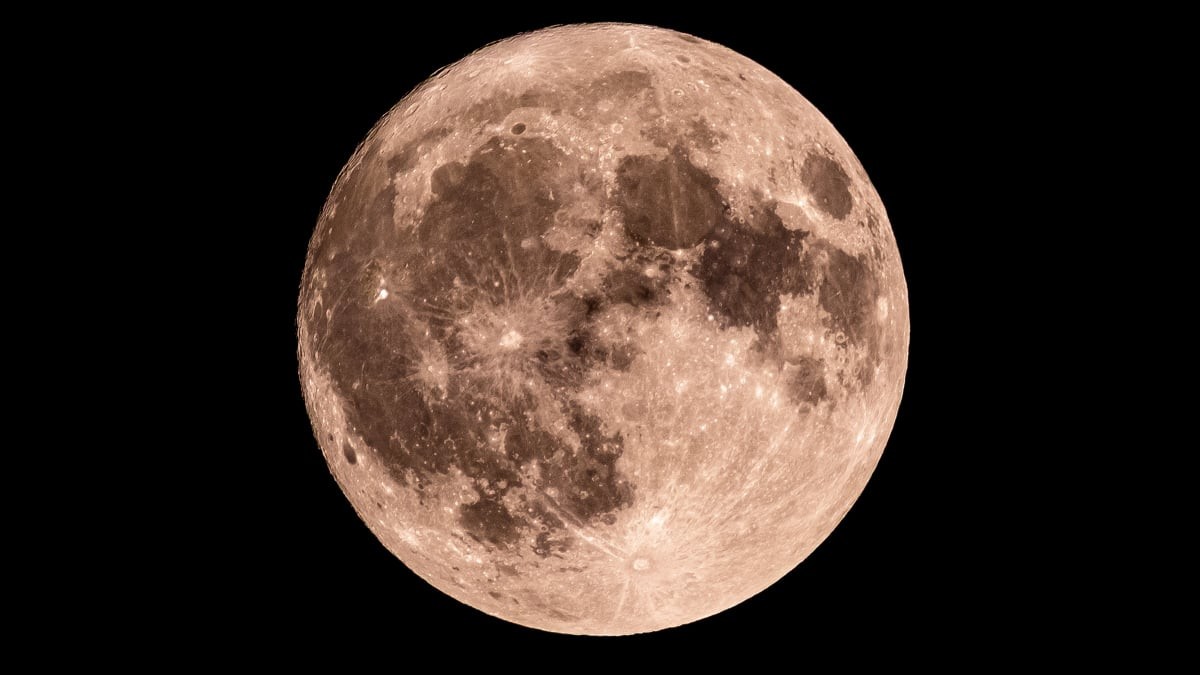
The Moon is becoming visible again after a period of darkness, with a Waxing Crescent phase illuminated at 14% as of Sunday, March 22. Keen observers can now identify surface features with the naked eye, and even more detail with simple tools.
Current Visibility and Features
Tonight, the Moon’s illumination is sufficient to spot prominent dark areas known as maria —ancient volcanic plains. Specifically, the Mare Fecunditatis and Mare Crisium are visible on the middle right (or middle left for Southern Hemisphere viewers). With binoculars or a small telescope, the Edymion Crater can also be seen, positioned at the top right (or bottom left).
Why this matters: Lunar observation is accessible to anyone. Even without equipment, the changing shapes of the Moon offer a natural reminder of its orbit and Earth’s position in space.
Next Full Moon and Phase Cycle
The next Full Moon is predicted for April 1. The Moon completes its full cycle of phases in roughly 29.5 days. This means the Moon orbits Earth, and the Sun illuminates different portions of it, leading to the eight distinct phases we observe:
The Eight Lunar Phases Explained
The phases are a result of our perspective as the Moon orbits Earth:
- New Moon: No visible illumination; the far side faces us.
- Waxing Crescent: A thin sliver of light appears, growing over time.
- First Quarter: Half the Moon is lit, resembling a half-circle.
- Waxing Gibbous: More than half is lit, approaching fullness.
- Full Moon: The entire visible face is illuminated.
- Waning Gibbous: Light begins to recede from the right side.
- Third Quarter: The left half of the Moon is lit.
- Waning Crescent: A final sliver before returning to darkness.
Why this is important: The lunar cycle has historically influenced agriculture, navigation, and even cultural practices. Understanding phases helps predict tides, observe celestial events, and appreciate the Moon’s role in Earth’s environment.
The Moon continues its predictable cycle, providing a consistent celestial display for all who look up.