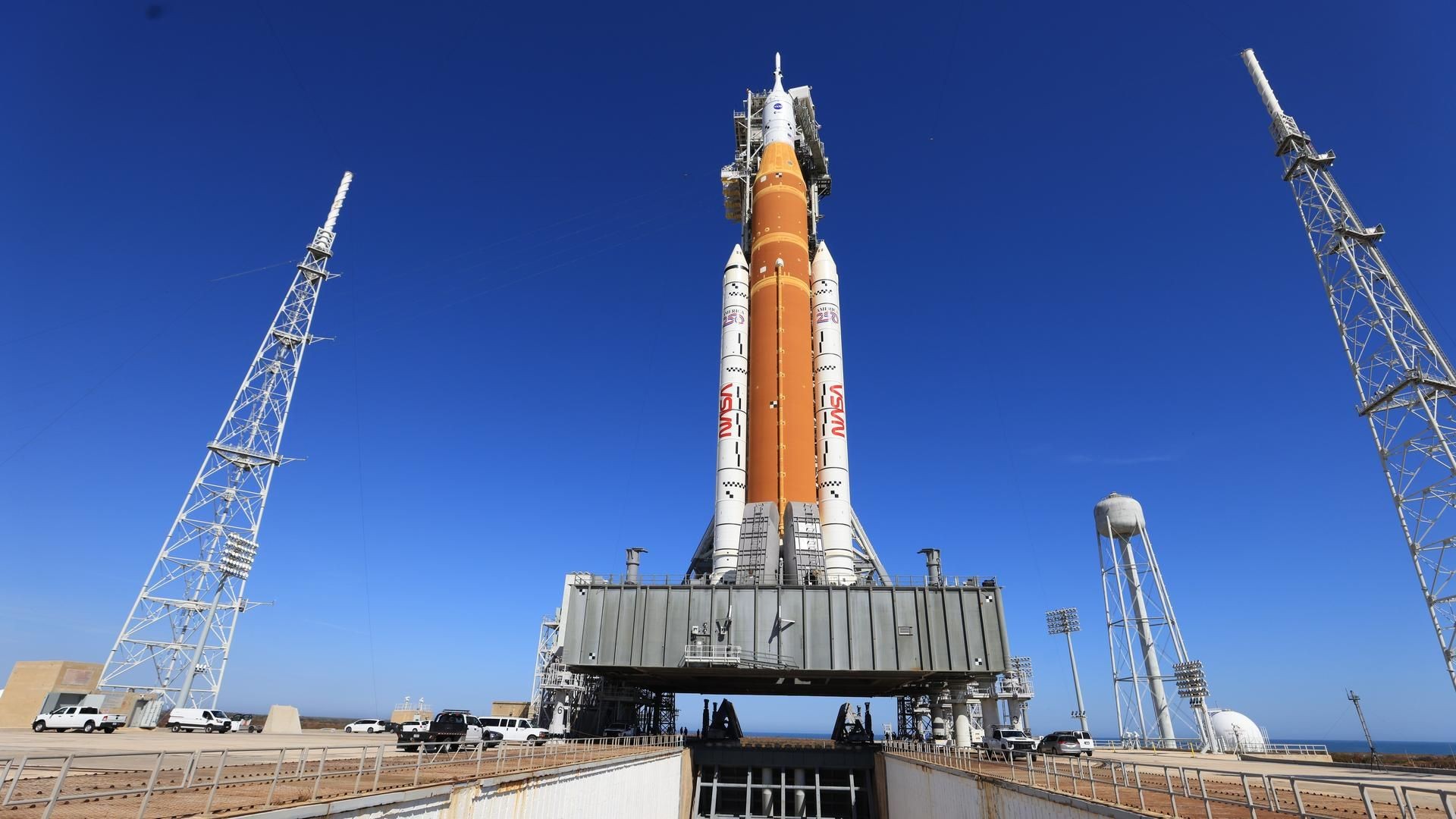
NASA is proceeding with launch preparations for the Artemis 2 mission, scheduled for April 1st, despite recent space weather disruptions and ongoing technical checks. The mission, set to carry four astronauts on a lunar flyby, represents the first crewed step in a long-term human return to the Moon—a departure from the Apollo program’s short-term exploration goals.
Space Weather Impacts and Mitigation
A powerful X1.4 solar flare erupted on March 29th, causing a temporary radio blackout that could affect launch support systems. NASA is closely monitoring solar activity, as such events pose a risk to both mission preparations and the astronauts themselves. Teams are working with forecasters to ensure conditions remain within acceptable limits for launch, though disruptions may necessitate adjustments to communications or other procedures.
Mission Readiness and Rollback
The Space Launch System (SLS) rocket and Orion spacecraft are currently at Launch Complex-39B, having completed a 10-hour journey from the Vehicle Assembly Building (VAB). However, a helium leak discovered during recent tests has prompted a rollback to the VAB for repairs, pushing the launch window to April 1st. Technicians are addressing the issue and conducting additional battery checks while the rocket is back in the VAB.
Astronaut Status and Quarantine
The Artemis 2 crew entered quarantine at Johnson Space Center on March 18th, limiting their exposure to potential health risks in the final weeks before launch. They will continue quarantine at Kennedy Space Center in Florida, five days before liftoff. The astronauts are scheduled to participate in a virtual press conference on March 31st, followed by a NASA status update on the mission.
Public Engagement and Viewing Options
NASA is providing comprehensive coverage of the Artemis 2 mission, including live streams of key events such as the astronaut press conference and the rocket’s rollback to the VAB. The agency is also offering guides on how to watch the launch on April 1st, with multiple livestream options available through NASA’s website and partner channels like Space.com.
Long-Term Goals and Significance
Artemis 2 is not merely a repeat of Apollo; it’s the first phase of a sustained lunar presence and a stepping stone toward future Mars missions. The focus is on establishing a permanent lunar base, conducting in-depth scientific research, and developing technologies for deep-space exploration. This mission marks a pivotal shift in human spaceflight, aiming for long-term sustainability rather than brief, symbolic visits.
The Artemis 2 mission remains on track despite recent setbacks, with NASA prioritizing safety and readiness as the April 1st launch window approaches. The ongoing preparations reflect a commitment to a new era of lunar exploration, with a focus on long-term sustainability and scientific advancement.