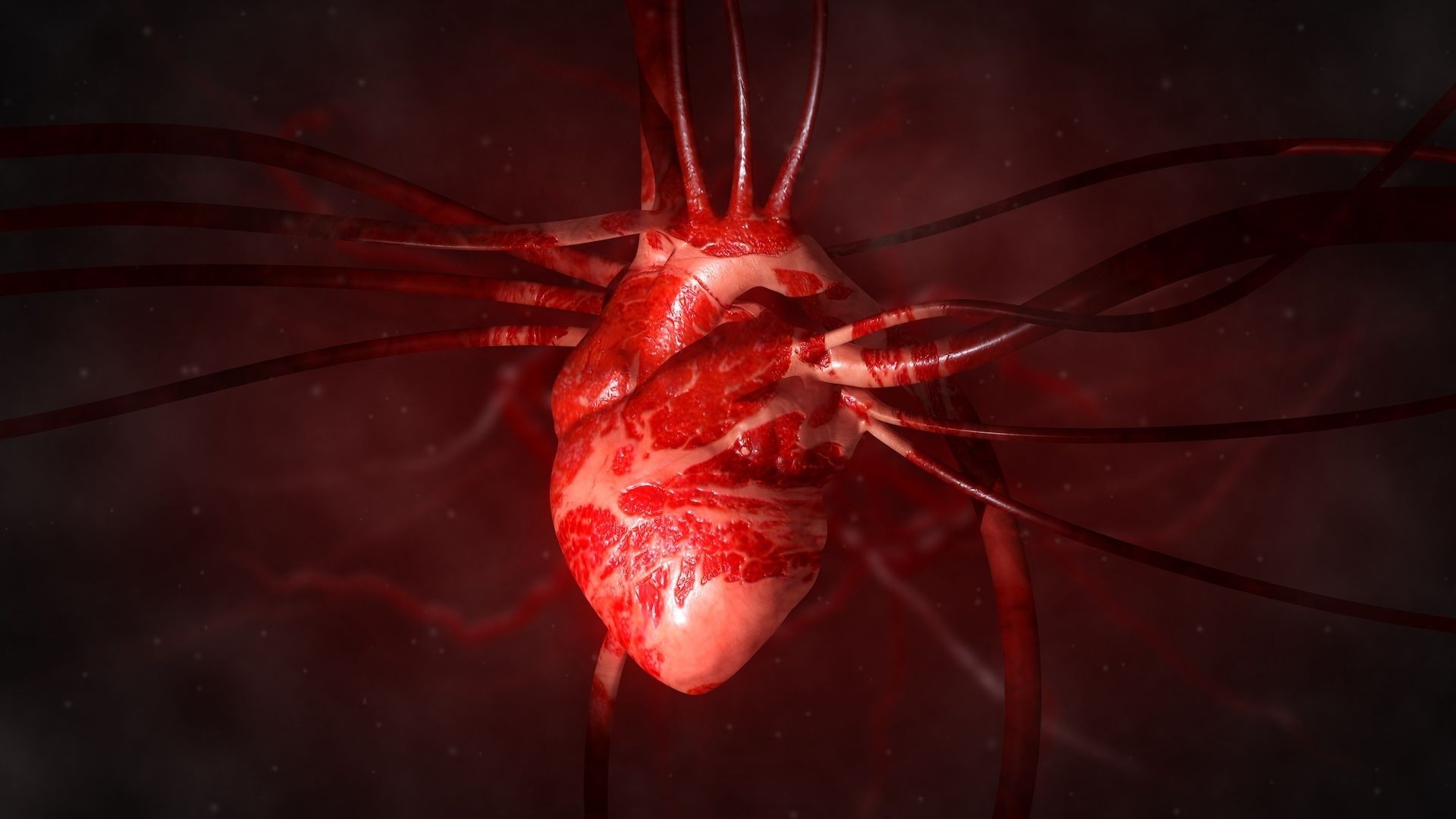
A novel approach using self-amplifying RNA (saRNA) has demonstrated the ability to repair heart muscle damage after a heart attack in both mice and pigs. Researchers believe this breakthrough could pave the way for faster recovery times in humans, offering a potential solution to the leading cause of death in the United States: heart disease.
The Challenge of Heart Attack Recovery
Heart attacks occur when a blocked artery cuts off oxygen supply to the heart muscle. While surgical interventions can restore blood flow, the damaged muscle requires time to heal. If recovery is incomplete, scar tissue forms, reducing the heart’s pumping efficiency and increasing the risk of heart failure. Delivering effective treatments directly to the heart without invasive procedures remains a significant hurdle in cardiology.
How saRNA Works
The study, published in Science on March 5, reveals that a single injection of saRNA into leg muscle tissue stimulates the production of atrial natriuretic peptide (ANP), a natural heart-repairing hormone. Researchers observed that ANP levels are higher in newborns, suggesting its role in heart development. By temporarily increasing ANP levels in adult animals, they aimed to trigger muscle regeneration.
The saRNA acts similarly to mRNA vaccines, instructing cells to produce proANP, which converts to ANP upon reaching the heart. Unlike mRNA, which degrades quickly, saRNA replicates itself within cells, sustaining protein production for up to four weeks. This extended duration makes saRNA ideal for applications requiring prolonged protein expression.
Why This Matters
This approach represents a potential paradigm shift in heart attack treatment. Current methods lack a way to efficiently deliver healing compounds to the heart without surgery. The injection method described in this study bypasses this limitation, potentially reducing recovery times and minimizing long-term complications.
Although saRNA-based vaccines are already approved in some countries, this marks the first time the technology has been applied to cardiac repair. Experts note that previous attempts to treat heart attack patients with natriuretic peptides failed, but this new delivery method could overcome those shortcomings.
Next Steps and Caveats
While promising, the saRNA treatment has not yet been tested in humans. Future research must determine safe and effective dosage levels, confirm the exact mechanisms behind its success, and conduct clinical trials to validate its efficacy. Cardiologists emphasize that the observed benefits in animals do not automatically translate to human outcomes.
“We do not yet exactly know what the mechanism would be that would exert an advantage for the patients,” stated Dr. Dan Atar, a professor of cardiology at Oslo University Hospital.
Despite these uncertainties, the study’s findings offer a valuable direction for future research. If proven safe and effective in humans, this saRNA-based approach could significantly improve the lives of millions affected by heart disease.