Adrian Tchaikovsky’s highly anticipated fourth installment in the Children of Time series, Children of Strife, arrives as a powerful continuation of his acclaimed exploration of uplifted species and their evolving societies. The novel marks a return to the strengths of the first two books, offering a complex, engaging narrative that solidifies Tchaikovsky’s position as a leading voice in modern science fiction.
The Evolution of Uplifted Species
Tchaikovsky’s work stands out in the crowded sci-fi landscape by prioritizing biological plausibility over purely technological speculation. Where other authors focus on “Big Physics”, Tchaikovsky excels at “Big Biology” – imagining what societies built by uplifted octopuses, spiders, or mantis shrimps would actually look like. The series began with Children of Time, which introduced the concept of a terraformed planet where humans were not the dominant species, but rather spiders. Children of Ruin expanded on this premise with an octopus-centered society. While the third book, Children of Memory, took a different approach, Children of Strife revitalizes the series by reintroducing its core strengths.
A Complex Narrative Structure
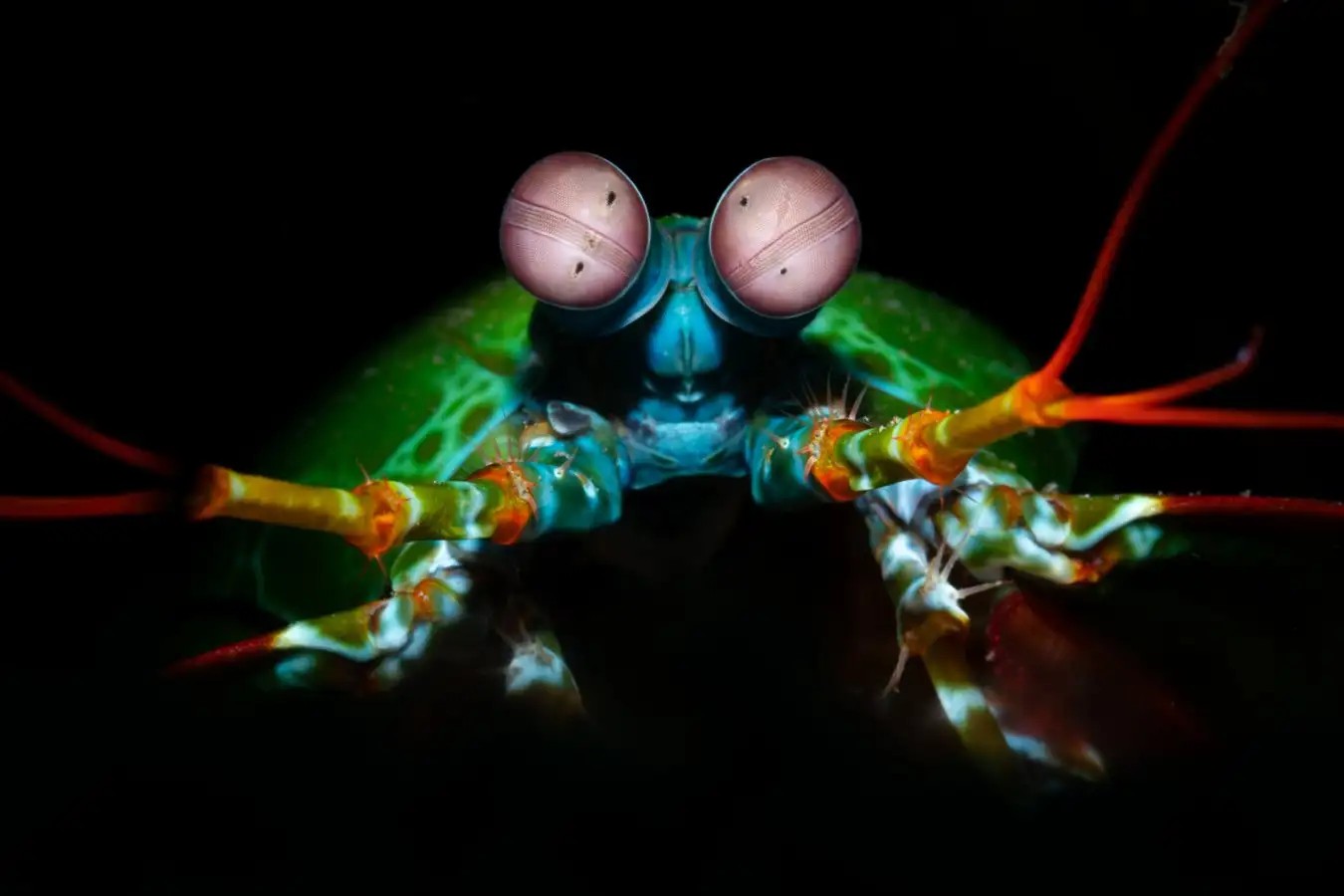
Children of Strife is structured around three interwoven timelines, each featuring distinct characters. This ambitious format allows Tchaikovsky to explore multiple perspectives and build a richly detailed universe. At the center of this new narrative is an uplifted mantis shrimp—a carnivorous predator equipped with futuristic weaponry. The novel also revisits familiar species from previous volumes, providing satisfying continuity for dedicated fans.
A Disturbing New World
The novel’s most striking element is its setting. The planet appears initially idyllic, resembling a terrestrial paradise. However, beneath this façade lies a hidden horror: this world is far from hospitable. The way Tchaikovsky reveals the disturbing truth behind the planet’s appearance is masterfully executed. The character work remains strong, with both human and non-human figures feeling authentic and well-developed. The plot progresses logically and at a satisfying pace, though some may find the final planet-side sequence slightly drawn out.
Why This Matters
Tchaikovsky’s series is significant because it forces readers to confront the implications of non-human intelligence. By focusing on biology rather than technology, he explores how alien societies might evolve based on fundamental evolutionary pressures. This isn’t just about imagining new creatures; it’s about questioning humanity’s place in the universe and the arrogance of assuming our dominance.
Children of Strife is a brilliant addition to a series that has already established itself as a modern classic. While skipping Children of Memory might not ruin the experience, the first two books remain essential. If you’re passionate about science fiction that pushes boundaries and explores profound ideas, this series is not to be missed.