Recent data reveals that global warming is not only continuing but is accelerating at a rate that exceeds previous projections. Over the past three years, temperatures have surged, prompting urgent debate among climate scientists. While consensus exists that warming is speeding up, disagreement remains on how much and why. This discrepancy carries profound implications for the future, potentially shrinking the window for effective climate action.
The Unexpected Surge in Warming
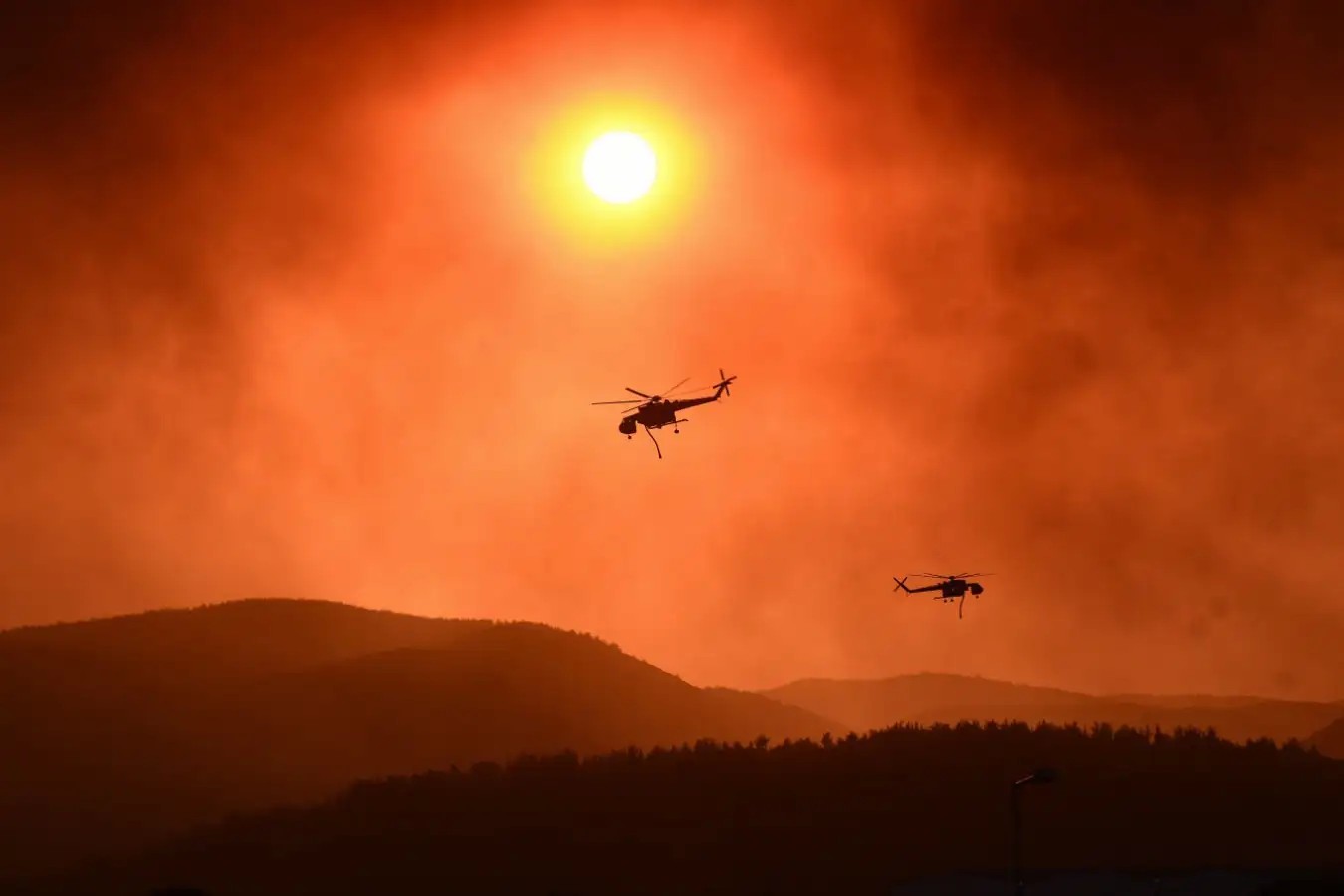
Until the 2010s, Earth warmed at a relatively steady pace of approximately 0.18°C per decade. However, 2023 broke records by a substantial margin – 0.17°C hotter than any previous year. This surge manifested in extreme weather events worldwide, including catastrophic floods in Libya, intense cyclones in Mozambique and Mexico, and devastating wildfires across Canada, Chile, Greece, and Hawaii.
The question of whether this acceleration is temporary or permanent is critical. Some researchers, like James Hansen of Columbia University, argue that the rate has jumped to around 0.32°C per decade since 2010. Their analysis points to a “Faustian bargain” made by humanity: decades of aerosol pollution from fossil fuels masked the full extent of carbon dioxide emissions. Now, as aerosol pollution declines (driven by policies in China and shipping regulations), this hidden warming is being unveiled, driving temperatures higher.
The Role of Aerosol Reduction
For years, sulphur aerosols reflected sunlight back into space, moderating warming. As countries reduce these pollutants to improve air quality, the greenhouse effect intensifies. China’s “war on pollution” since 2008, along with stricter emissions standards for ships, have led to a 40% drop in global sulphur dioxide emissions since the mid-2000s. This cleaner air means more solar radiation reaches the Earth.
The effect is already visible: 2024 exceeded 1.5°C above pre-industrial levels for the first time, edging closer to breaching the Paris Agreement’s most ambitious target. Heatwaves in Europe and cyclones in Southeast Asia and Jamaica in 2025 underscored the intensifying pattern.
Natural Variability and Uncertainty
While aerosol reductions are a key factor, natural fluctuations complicate the picture. A strong solar cycle, the eruption of a massive underwater volcano in Tonga (releasing water vapour into the stratosphere), and a powerful El Niño event in 2023/2024 all contributed to the recent heat. Disentangling these natural forces from the accelerating trend is challenging.
Statistical analyses, like those by Stefan Rahmstorf and Grant Foster, now suggest warming is occurring at roughly 0.36°C per decade since 2014. However, other scientists, including Michael Mann, argue that these estimates overestimate the impact of aerosols and underestimate natural variability. The debate highlights the inherent uncertainty in climate modeling.
Feedback Loops and the Cloud Mystery
A growing concern is the potential for unexpected climate feedback loops. One particularly uncertain factor is cloud behavior. Recent research suggests a decline in low-lying clouds may be contributing to warming, possibly due to aerosol reduction dissolving cloud formations. If this trend continues, it could accelerate warming further, suggesting higher climate sensitivity than current models predict.
The worst-case scenario involves a runaway feedback loop that climate models fail to capture, leading to warming far beyond current projections.
The Bottom Line
The current trajectory points to 2.7°C of warming by the end of the century under existing policies. However, if acceleration continues unchecked, we could face temperatures closer to 3.7°C, rendering some regions uninhabitable. The key takeaway is that global warming is not only happening but is speeding up, demanding more aggressive decarbonization efforts to avert catastrophic consequences. Delaying action will only exacerbate the problem, leaving less time to adapt to a rapidly changing climate.