Modern agriculture faces a critical dilemma: increasing food production while mitigating the environmental damage caused by conventional pest and disease control. Nearly 40% of global crops are lost annually to fungal pathogens, a problem historically addressed with synthetic pesticides. However, this reliance on chemicals has created a dangerous cycle of pollution, biodiversity loss, and the rise of fungicide-resistant strains.
The urgency is compounded by climate change, which brings more extreme weather events like droughts, heatwaves, and increased UV radiation. With initiatives like the European Green Deal pushing for a 50% reduction in chemical pesticide use by 2030, the need for sustainable alternatives is now undeniable.
Researchers have turned to an overlooked source of inspiration: nature itself.
Mimicking Nature’s Protective Mechanisms
Many plants, such as the lotus flower, naturally defend themselves with waxy cuticles that repel water and pathogens. Recognizing this, a team of scientists developed SafeWax, a bio-based spray-on coating that replicates the protective properties of natural plant waxes.
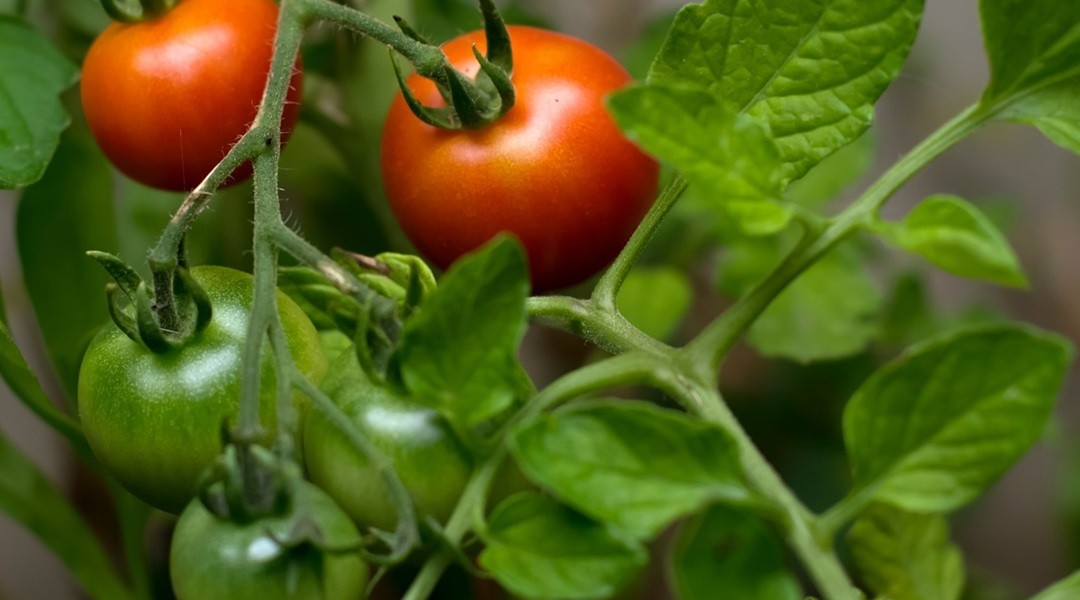
SafeWax uses crystalline fatty acids to form microscopic, superhydrophobic layers when applied to plant surfaces. Testing on crops like tomatoes and grapevines—which typically allow water to adhere to leaves—demonstrated the coating’s ability to transform these surfaces into highly repellent shields.
How SafeWax Works: A Structural Approach
Microscopic imaging revealed that SafeWax creates a dense, fractal-like wax crystal structure on foliage. This texture physically blocks water from accumulating, thereby preventing the wet conditions pathogens require to thrive.
Beyond disease control, the coating provides additional benefits:
- UV and Heat Resilience: The crystalline structure acts as a natural sunblock, protecting plants from damaging UV radiation.
- Water Harvesting: In humid conditions, SafeWax may help plants collect water from dew by channeling droplets to the soil.
A Paradigm Shift in Crop Protection
Unlike chemical treatments that penetrate plants and leave harmful residues, SafeWax remains on the surface. This structural approach avoids toxicity by creating a physical barrier rather than relying on poison.
The researchers acknowledge challenges ahead: scaling up production, assessing long-term ecological effects, optimizing solvent-free formulations, and determining optimal reapplication schedules. However, the potential extends beyond agriculture. The coating’s ability to prevent adhesion and biofilm formation suggests applications in marine surfaces, architecture, and other industries.
SafeWax represents a fundamental shift in crop protection, moving away from chemical dependency towards materials-based solutions inspired by nature’s own defenses.
The team’s findings, published in Small, highlight the viability of bio-inspired strategies in addressing agriculture’s most pressing challenges.