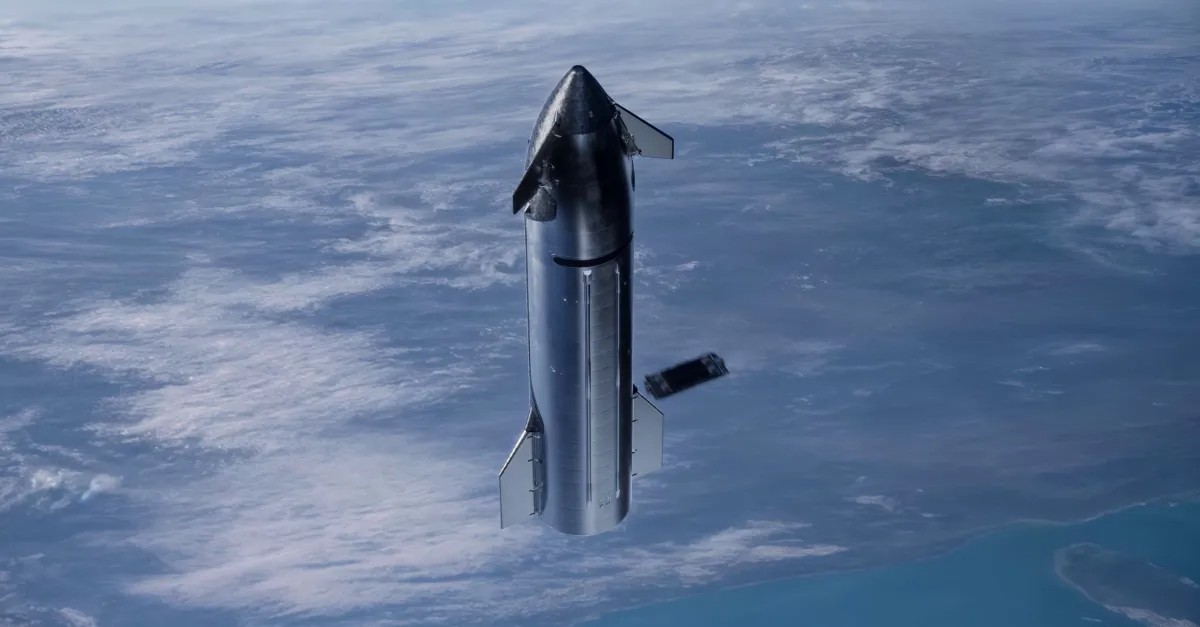
Elon Musk’s SpaceX has integrated xAI, his artificial intelligence company, alongside his social media platform X (formerly Twitter) in a move poised to redefine AI development and deployment. The core idea is to shift computationally intensive AI operations from Earth-bound data centers into space, where access to energy and scalability are virtually unlimited. This is not simply a merger of companies, but a fundamental rethinking of how AI can evolve.
The Problem with Terrestrial AI
Current AI relies on massive data centers that consume staggering amounts of electricity and require extensive cooling infrastructure. Global demand for AI compute is already straining power grids, and this trend will only accelerate as AI models grow more complex. Scaling AI on Earth is therefore hitting physical limits.
“The only logical solution… is to transport these resource-intensive efforts to a location with vast power and space. Space is called ‘space’ for a reason.” – Elon Musk
Why Space?
Space-based AI offers a solution by leveraging the Sun’s near-infinite energy. Even harnessing a tiny fraction of solar power would exceed Earth’s total energy consumption by orders of magnitude. This approach bypasses terrestrial constraints and allows for exponentially greater computational capacity. SpaceX’s existing satellite infrastructure and experience with orbital sustainability (including end-of-life satellite disposal) provide a proven operational framework.
Timeline and Implications
Musk estimates that within 2–3 years, space-based AI compute will be the most cost-effective option. This shift will accelerate AI development by orders of magnitude, enabling breakthroughs in fields like physics, materials science, and other areas currently bottlenecked by computational limits. The combination of SpaceX’s rocketry, xAI’s algorithms, and X’s real-time data stream creates a unique, vertically integrated innovation ecosystem.
The long-term vision is far more ambitious: to scale AI to the point of “sentience” and use it to understand the universe itself. While this may sound speculative, the underlying principle is clear: AI’s future is not just about better algorithms, but about accessing the resources needed to run them.
This merger signals a decisive move toward off-world computation, potentially reshaping the entire AI landscape and establishing space as the next frontier for technological advancement.