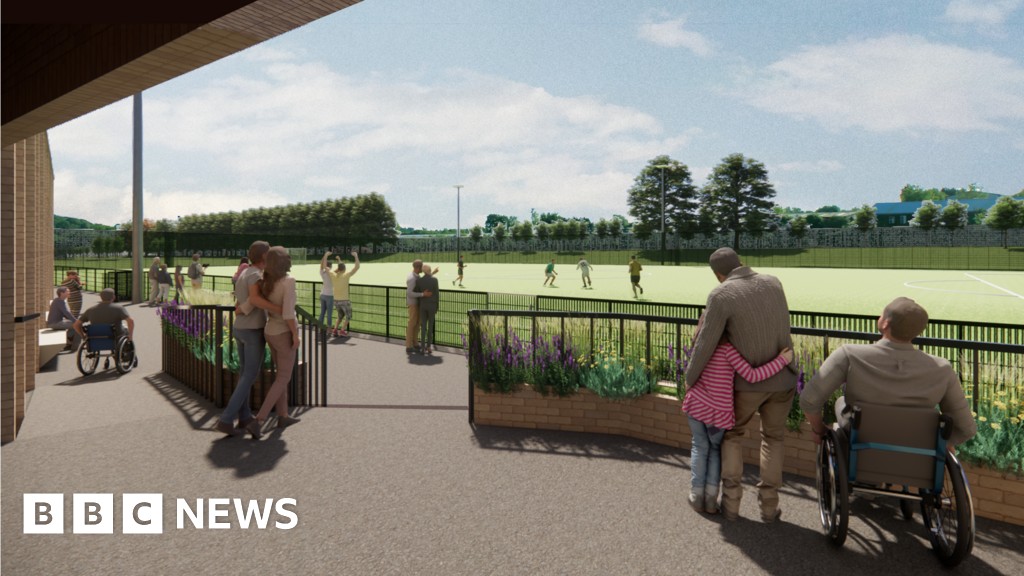
Norwich City Council is poised to approve a £7.6 million upgrade to Sloughbottom Park in Mile Cross, including a controversial artificial sports pitch, despite objections over potential microplastic pollution. The decision, scheduled for Thursday, follows recommendations from planning officers who prioritize modern facilities for a deprived area.
Environmental Risks and Mitigation
The Norfolk Wildlife Trust formally opposed the proposal, citing the risk of rubber pellets from the pitch contaminating nearby Sweet Briar Marshes and the River Wensum—a sensitive ecological area. These pellets, or microplastics, are known to spread easily and pose a growing environmental threat. The Department for Environment, Food and Rural Affairs has identified 3G pitches as a major contributor to “intentionally added microplastic pollution.”
City Hall maintains that the design adheres to Football Foundation guidelines, incorporating barriers, boot brushes, matting, and filtered drainage to contain the infill. Natural England has not objected, but local wildlife advocates remain unconvinced. This is part of a wider trend: sports facilities with artificial turf are under scrutiny as a significant source of plastic waste entering ecosystems.
Community Concerns Over Access
Beyond environmental issues, campaigners from Friends of Sloughbottom Park and Norwich Friends of the Earth have criticized the scheme as a “partial privatization” of public space. They fear increased booking costs, reduced casual access, and the potential displacement of community events. The upgrade includes a sports hub, play area, BMX track improvements, and a refurbished pavilion, but some residents worry that these benefits will come at the expense of free, open access.
Balancing Development and Environment
The approval of this project highlights a common conflict between urban development and environmental protection. While modern sports facilities are seen as a valuable asset for underserved communities, the long-term ecological consequences of microplastic pollution remain largely unaddressed. This case raises broader questions about how to balance public amenities with sustainable practices.
The council’s decision will set a precedent for future projects, balancing the need for recreational spaces against the growing urgency of mitigating plastic contamination in local ecosystems.