The U.S. State Department is weighing the controversial step of cutting vital HIV/AIDS assistance to Zambia as leverage in negotiations for greater access to the country’s critical mineral resources. A leaked internal memo reveals a willingness to publicly reduce support to Zambia “on a massive scale” if the government does not agree to new terms.
The Stakes for Zambia
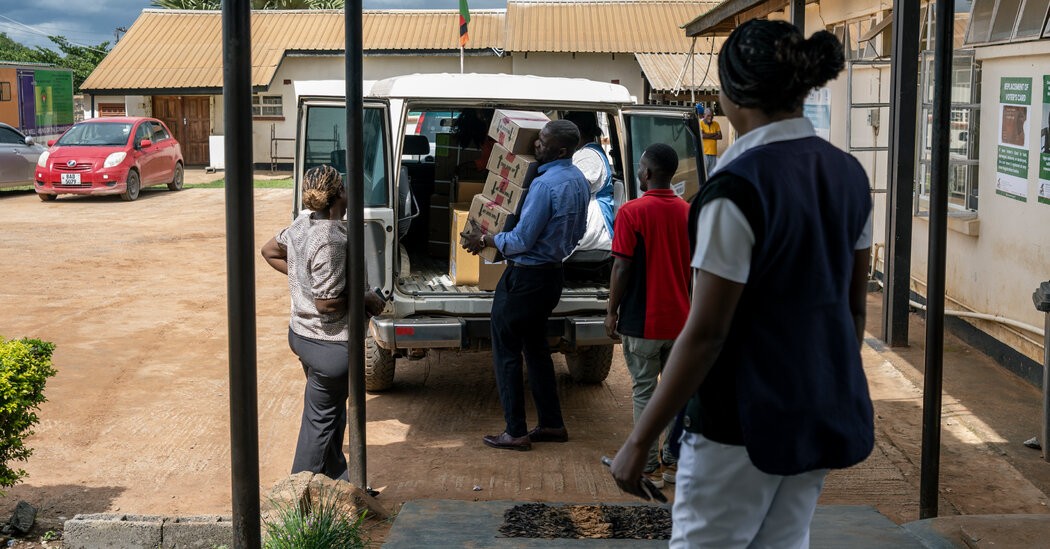
Approximately 1.3 million Zambians depend on daily HIV treatment provided through the U.S. President’s Emergency Plan for AIDS Relief (PEPFAR), along with essential medications for tuberculosis and malaria. These programs collectively save tens of thousands of lives each year. The potential for a “significant cut” to this aid, as early as May, is being actively considered by the Trump administration.
The Shift in U.S. Aid Strategy
This tactic is part of a broader State Department initiative to tie foreign aid to specific conditions. Twenty-four nations have already signed agreements committing to increased domestic health spending in exchange for continued U.S. funding—totaling $20 billion over five years. However, some countries, like Zimbabwe, have refused such deals, citing concerns over data sovereignty and biological sample sharing. Similar challenges have emerged in Kenya, where activists are contesting the terms in court.
The Mineral Dispute: A New Dimension
The Zambia negotiations differ from previous aid agreements in one key aspect: the U.S. is explicitly seeking to use aid as leverage to counter China’s established presence in Zambia’s mineral sector. Zambia is a major copper producer and holds substantial reserves of lithium and cobalt—minerals crucial for the global transition to green energy. The U.S. views China’s current access as problematic.
“We will only secure our priorities by demonstrating willingness to publicly take support away from Zambia on a massive scale.” — Draft memo from the State Department
This move raises ethical questions about leveraging public health for geopolitical and economic gains. The tactic underscores the increasing willingness of the U.S. to use aid as a tool of negotiation, potentially at the expense of vulnerable populations.
In essence, the U.S. is signaling that continued health support for Zambia is contingent on favorable access to its mineral wealth, marking a sharp escalation in how foreign aid is deployed as a strategic instrument.