Researchers are using cutting-edge medical technology – specifically high-resolution CT scanners and 3D printing – to perform “virtual autopsies” on Egyptian mummies dating back over 2,200 years. This approach isn’t just about historical curiosity; it’s a demonstration of how advanced imaging can refine our understanding of the past, revealing details missed by earlier methods.
Unveiling Hidden Details
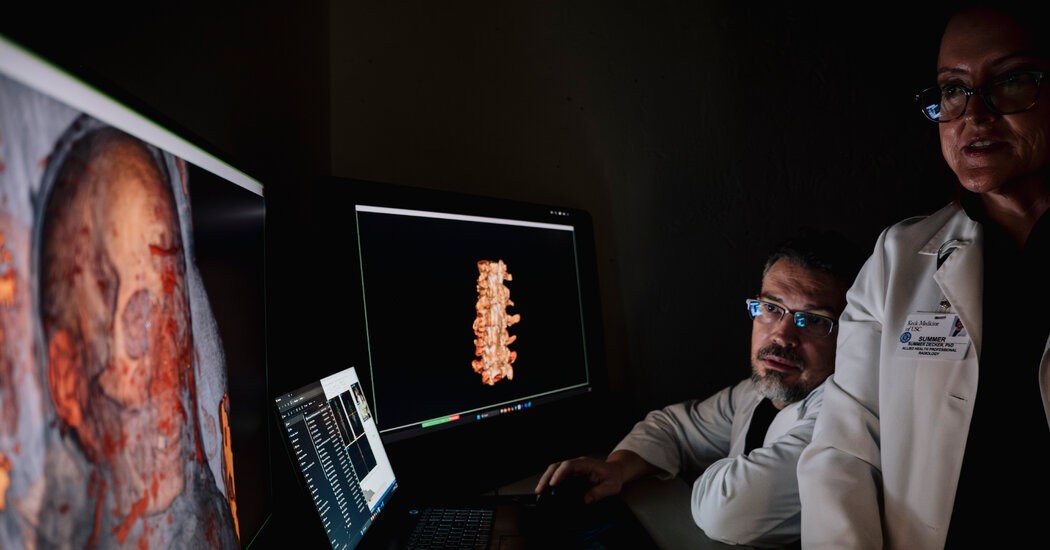
The study, conducted at the University of Southern California, focused on two mummies: Nes-Hor, a priest from approximately 190 B.C.E., and Nes-Min, dating back to around 330 B.C.E. The CT scans generated 320 cross-sectional images per rotation, creating detailed 3D digital models of their skeletal structures. According to Summer Decker, director of the university’s Center for Innovation in Medical Visualization, these models were “like a loaf of bread” – layered slices stacked to reveal the whole form.
The team then 3D-printed life-size reproductions of the mummies’ spines, skulls, and hips, allowing for in-depth physical analysis. The high resolution of the scans – slices less than half a millimeter thick – uncovered artifacts and details previously unknown or contradictory to existing records.
Why This Matters
The project highlights a growing trend in archaeology: applying modern medical technology to historical research. As Decker notes, advancements in radiology necessitate revisiting old specimens with new tools. This isn’t merely about confirming what was already known; it’s about uncovering new insights. The ability to non-destructively examine these ancient remains provides a level of detail impossible through traditional methods.
The use of CT scans and 3D printing on mummies represents a significant leap in archaeological methodology, offering a way to study the past without damaging precious artifacts. This approach will undoubtedly reshape our understanding of ancient health, injuries, and burial practices.