The illusion of abundance in supermarkets masks a growing fragility in the food system. While shelves may appear full, the underlying infrastructure is increasingly vulnerable to disruption, not from shortages, but from the very technologies designed to optimize it. The core problem is simple: food that cannot be digitally verified effectively ceases to exist within the modern supply chain. This isn’t a matter of agricultural failure; it’s a systemic flaw in how we’ve automated the movement and approval of goods.
The Rise of Digital Gatekeepers
Today’s food supply chains operate on the principle of digital recognition. Every shipment, every product, must be validated by databases, platforms, and automated systems. If a product lacks a digital signature – due to system errors, cyberattacks, or even minor data corruption – it becomes legally and logistically unusable. This dependence creates a critical vulnerability. Recent cyberattacks on major U.S. grocery chains demonstrated this vividly; even with physical stock available, online ordering and deliveries were paralyzed when digital systems crashed.
This is not merely an inconvenience; it’s a fundamental shift in control. Decisions about food access are increasingly delegated to opaque algorithms that cannot be easily explained or overridden. Manual backups are systematically removed in the name of efficiency, leaving systems brittle and inflexible.
AI’s Double-Edged Sword
Artificial intelligence and data-driven systems now manage agriculture and food delivery from planting to inventory. These tools forecast demand, optimize logistics, and prioritize shipments. While these advancements have yielded efficiency gains, they’ve also intensified pressures across the entire chain, particularly in “just-in-time” supply systems.
The danger lies in the erosion of human oversight. When AI dictates food allocation without transparency, authority shifts from judgment to software rules. Businesses prioritize automation over people to save time and money, resulting in decisions made by systems few can question. The 2021 ransomware attack on JBS Foods, which halted meat processing despite available resources, serves as a stark example. Some farmers bypassed the systems, but widespread disruptions occurred.
The Vanishing Skillset
Compounding the issue is the systematic removal of manual intervention protocols. Staff training for overrides is deemed costly and gradually eliminated. When failures occur, the skills needed to resolve them may no longer exist within the workforce. This vulnerability is exacerbated by labor shortages in transport, warehousing, and inspection. Even if digital systems recover, the human capacity to restart flows may be limited.
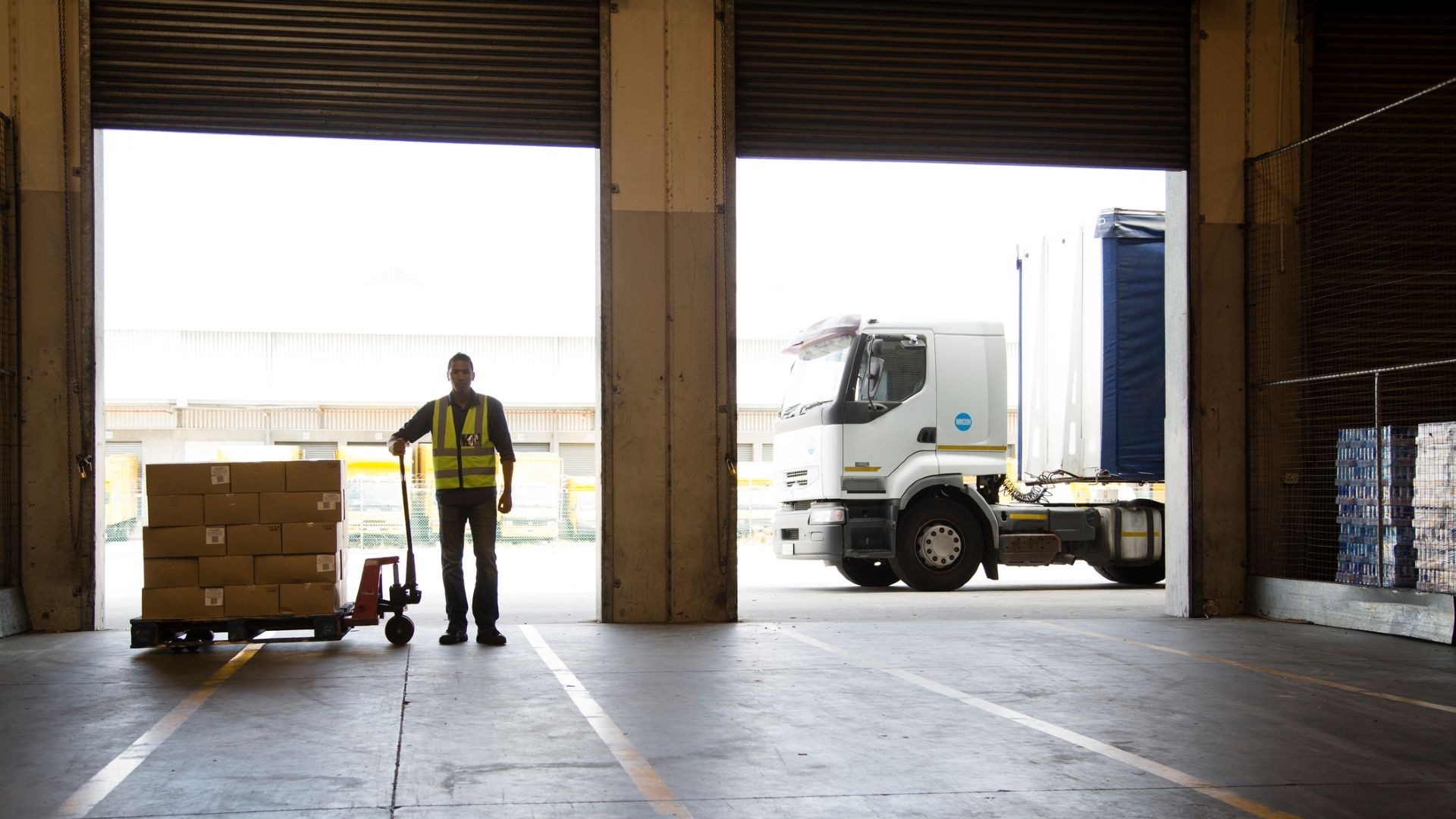
The risk isn’t just system failure; it’s the cascading disruption that follows. Trucks can be loaded but held at checkpoints due to authorization freezes. Food is present, but movement is denied. Within 72 hours, digital records diverge from physical reality, and manual intervention – if even possible – becomes the only solution.
Resilience Beyond Production
Food security isn’t solely about supply; it’s about authorization. A corrupted digital manifest can halt entire shipments. In a country like the UK, heavily reliant on imports and complex logistics, resilience depends on data governance and decision-making within food systems. Vulnerability analyses confirm that failures are often organizational, not agricultural.
The modern food system is no longer failing because of what we grow, but because of how we move what we grow. This is not a technical problem to be solved with more technology; it’s a fundamental trade-off between efficiency and resilience.