A new book, The Uncertainty Toolkit, proposes a practical approach to managing anxiety by drawing lessons from individuals who’ve faced extreme adversity – fighter pilots, former criminals, refugees, and those battling addiction. The core idea is that resilience isn’t about eliminating stress but adapting to it, learning from those who’ve stared down far worse odds.
Learning from Extremes
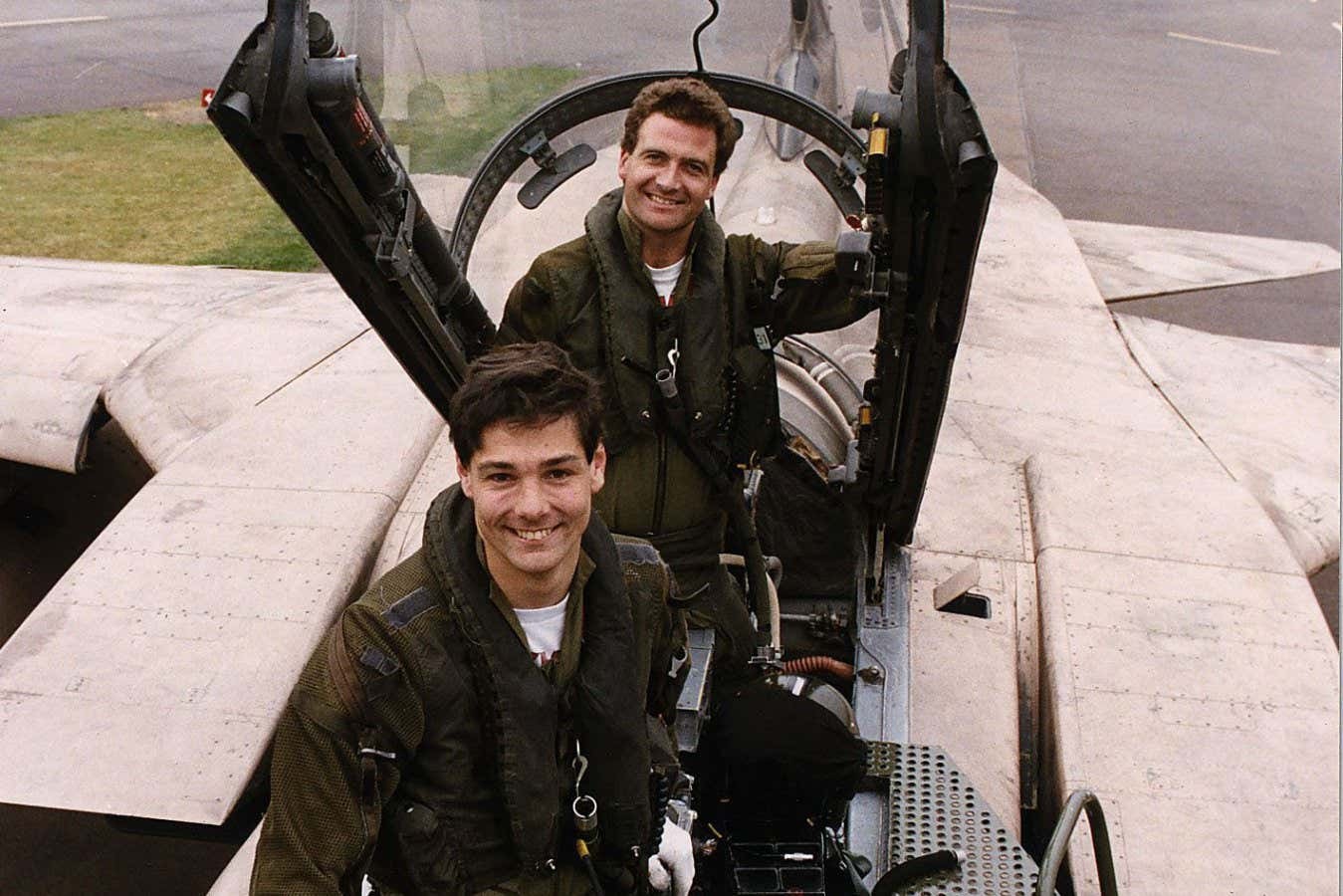
The book’s premise is simple yet powerful: if we can extract coping mechanisms from people who’ve endured the most brutal uncertainties, we can better navigate our own anxieties. Take John Peters, a Gulf War pilot who survived ejection, capture, and interrogation by Iraqi forces. His story, like those of other “Uncertainty Experts” featured in the book, underscores the human capacity for endurance under immense pressure.
This matters because modern anxiety often stems from a lack of exposure to genuine, life-or-death stakes. We obsess over career setbacks or social failures while forgetting that humans have always survived far greater threats. The book aims to recalibrate that perspective.
The FFS Framework
The authors, Sam Conniff and Katherine Templar-Lewis, distill the experience of uncertainty into three main effects: Fear, Fog, and Stasis (FFS). Fear paralyzes us with what might happen; Fog confuses us with unpredictability; and Stasis immobilizes us with inaction.
The toolkit’s exercises are designed to systematically dismantle each of these obstacles. The program has been tested on over 20,000 participants through an interactive online documentary, shifting perceptions of uncertainty from negative to positive.
Practical Tools for Emotional Regulation
The book isn’t just theory; it offers concrete strategies. It blends familiar methods like mindfulness and breathing exercises with lesser-known techniques such as reflective journaling to identify avoidance behaviors. A key insight lies in recognizing the power of intuition, particularly when overwhelmed by information.
However, emotions can be deceptive. The authors advise checking for the “HALT” factors – Hunger, Anger, Loneliness, Tiredness – that cloud judgment. They also encourage challenging biases by engaging with opposing viewpoints.
Flaws and Final Thoughts
The Uncertainty Toolkit isn’t without its weaknesses. The writing is repetitive, and some anecdotes feel weak. The inclusion of predictions from the “Balkan Nostradamus” (Baba Vanga) feels jarring, undermining the book’s scientific credibility.
Despite these flaws, the toolkit delivers a powerful message: anxiety isn’t an enemy to be defeated but a signal to be understood. By reframing uncertainty as an opportunity for growth, the authors offer a pragmatic path toward resilience. If you can overlook the occasional lapse in judgment, this is an empowering read.