A £975k gamble on Durham’s coastline paid off.
The project is done. It’s over. But the ground is changing.
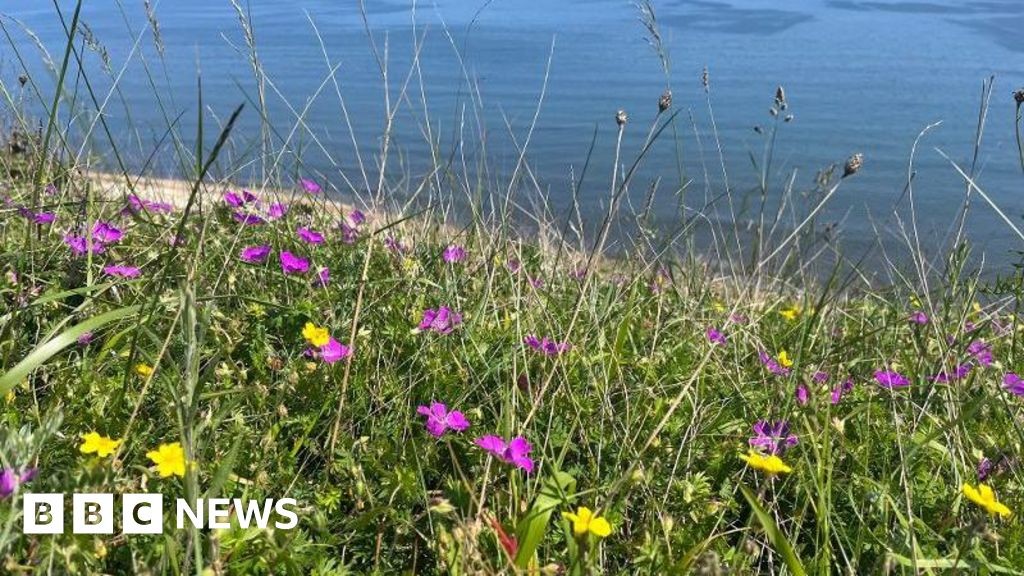
This wasn’t just some minor gardening effort. Led by Durham County Council and the Heritage, this scheme targeted magnesian limestone grasslands. You know that weird rock near the coast? That stuff. Between Nose’s Point by Seaham and Blackhall Rocks, they fixed what was broken.
The money came from the Species Survival Fund. A government pot. Only 20 projects got it in the whole country. Twenty out of who knows how many? That makes it special. Rare.
Globally unique, really. Because of that magnesian limestone exposed right on the edge of the sea, the plants and bugs living there are one of a kind.
Did it work?
“Globally unique.”
They spent the cash protecting plants. Insects. Birds. And they didn’t just lock the gates and leave. They made people help. Community engagement was central.
Volunteers showed up. Schools got involved. Local groups pitched in. Nearly 100 events happened. Surveys of wildlife, massive plantings, the usual muddy chaos of conservation work.
National Trust. Durham Wildlife Trust. All hands on deck.
Councillor Kyle Genner looks proud. He should.
The results? 11 kilometers of improved paths. 21,000 new trees and shrubs planted at Tina’s Haven nature reserve in Horden.
These numbers aren’t abstract. They are physical things in the ground. Genner said these efforts restored the grass. Gave birds somewhere to sleep at night. Created spaces where different life can hide, eat, grow.
He calls it “lasting.” Social, environmental, educational benefits wrapped into one knot. Long-term protection for a landscape that tends to fall apart without a little push.
Eric Wilton from the National Trust sees it differently, or maybe more clearly.
“An immense sense of pride and stewardship.”
He says the project reconnected the coast. But not just the physical landscape. It reconnected people to it.
It worked with schools. Partners. The whole area helped build Tina’s Haven. Wilton says watching people support nature recovery, while nature helps them recover… it was a joy.
Two ways of looking at it. You save the place, or the place saves you?
Maybe both.
The grasslands are there. The limestone is still limestone. But something else happened, too. The community stepped up. They dug in. Now they have a place they helped build, and it’s theirs.
Does it stay that way?
For now.