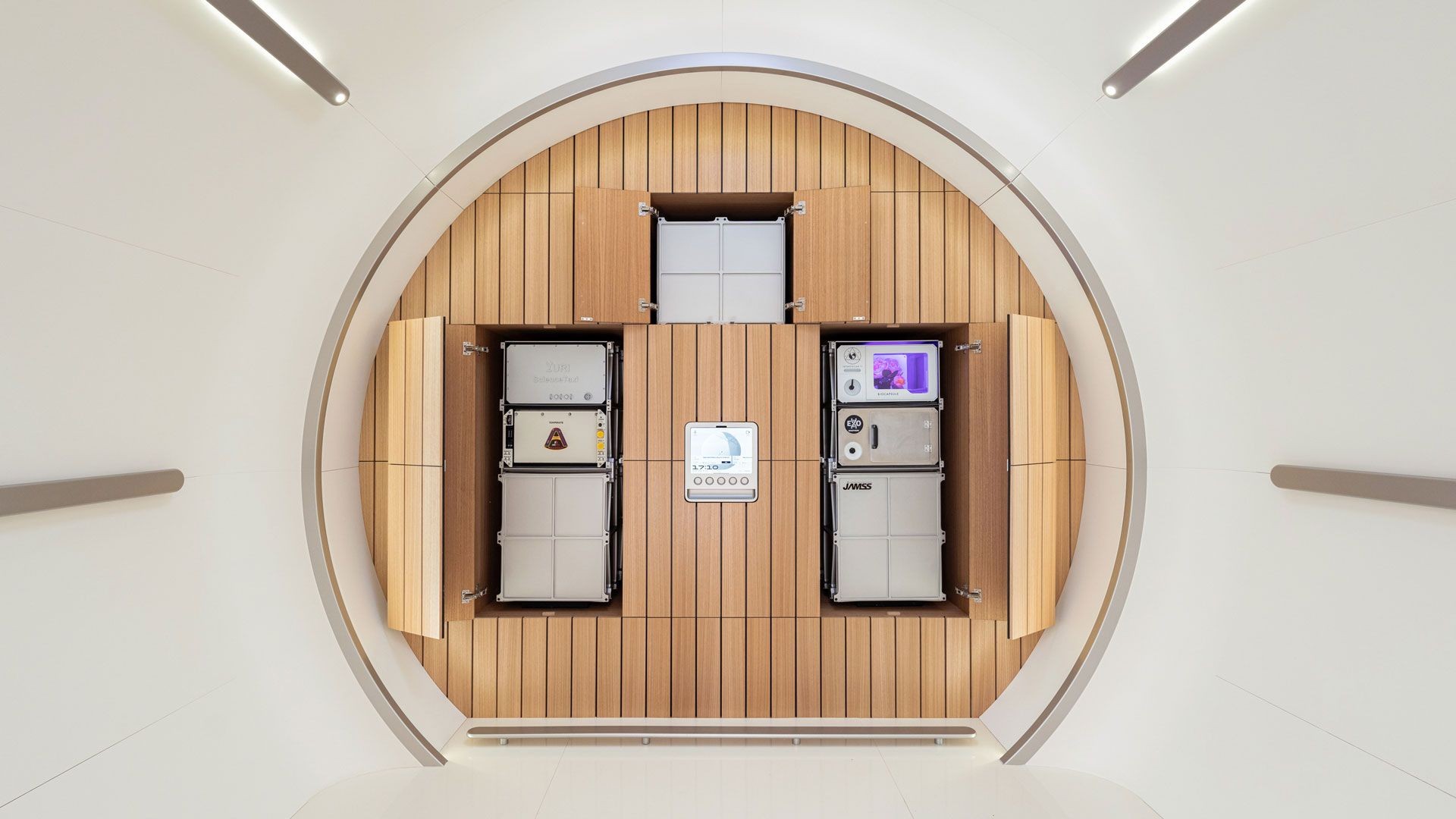
Vast, a California-based aerospace startup, is inviting scientists to submit research proposals for its upcoming Haven-1 space station. This initiative marks a significant step toward commercializing access to microgravity research, potentially opening new avenues for breakthroughs in medicine, materials science, and space exploration.
The Haven-1 Space Station: A New Era in Commercial Research
Haven-1, slated to launch in the second quarter of 2026 aboard a SpaceX Falcon 9 rocket, is designed as the world’s first crewed commercial space-based research and manufacturing facility. The station, weighing 14,000 kilograms, will accommodate up to 160 astronaut days during its three-year operational lifespan. This development is crucial because it decouples space-based research from traditional government-led programs, offering faster, more flexible access for private and academic researchers.
Areas of Focus: From Pharmaceuticals to Human Health
Vast is seeking proposals across a wide spectrum of disciplines. These include:
- On-orbit pharmaceutical development : Microgravity can influence drug crystallization and formulation.
- Stem cell research : Studying cell behavior in space may accelerate regenerative medicine.
- Plant growth : Optimizing crop yields in closed-loop systems for long-duration space missions.
- Human research : Investigating the effects of microgravity on bone, muscle, and cardiac health, with implications for terrestrial medicine.
- Technology demonstrations : Testing new materials and hardware in the space environment.
Partnerships and Future Goals
Vast has already secured partnerships with several leading space companies, including Redwire, Yuri, JAMSS, Interstellar Lab, and Exobiosphere. According to Meghan Everett, Vast Principal Scientist, the goal is to build on the legacy of the International Space Station (ISS) while expanding opportunities for research that can benefit both space exploration and human health on Earth.
The station’s design and capabilities will enable studies relevant to long-duration lunar and Martian missions, as well as direct applications for improving medical treatments and biotechnologies on Earth.
The shift toward commercial space stations like Haven-1 suggests a growing privatization of space research. This trend could accelerate innovation by reducing bureaucratic delays and fostering competition among private entities. However, it also raises questions about equitable access to space-based resources and the long-term sustainability of such ventures.