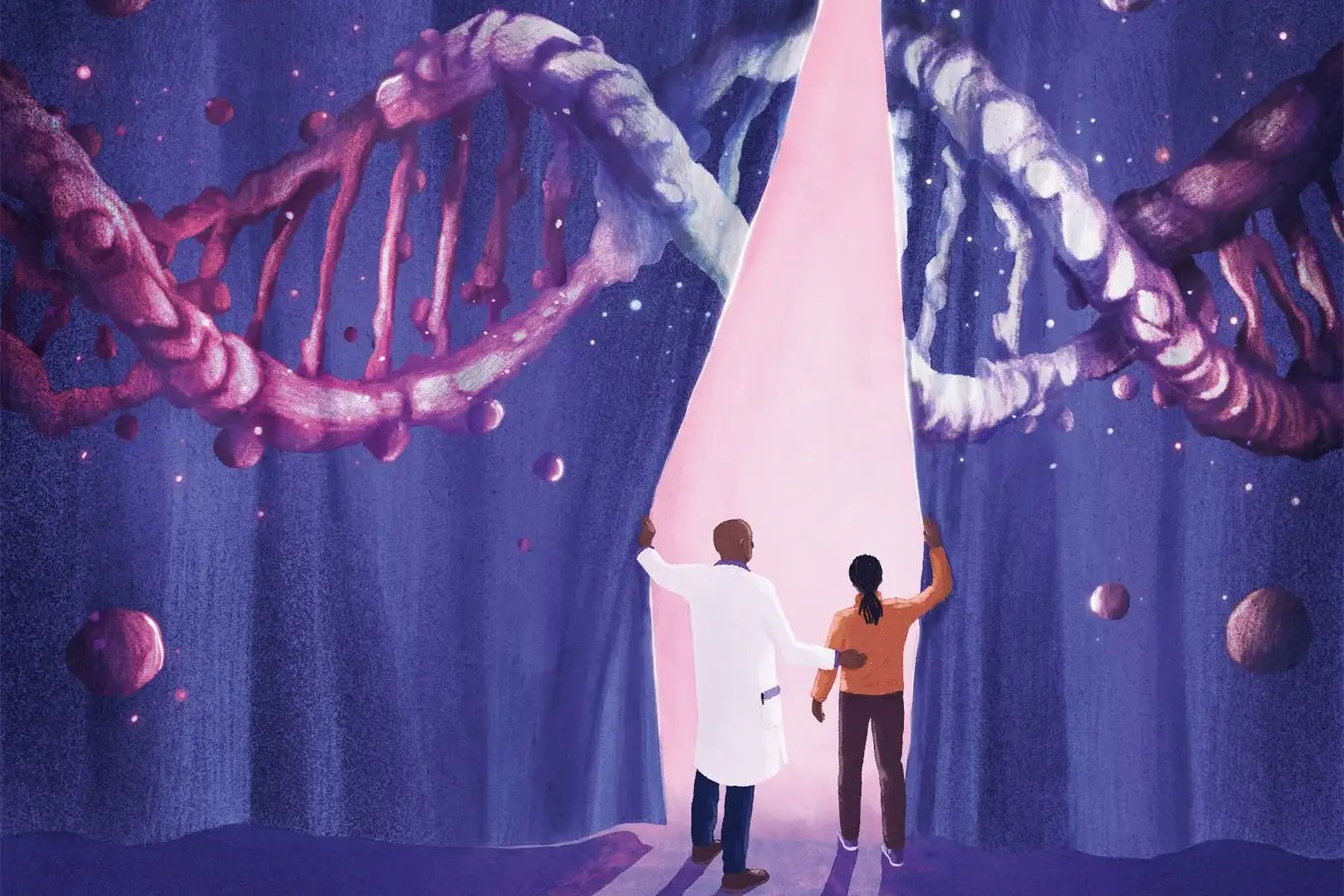
For decades, underrepresented communities – particularly Black, African, and Caribbean populations – have faced systemic barriers to participation in clinical research. This isn’t simply a matter of statistics; it’s a direct consequence of historical abuses and lingering mistrust. Without diverse data, healthcare innovation risks reinforcing existing inequalities. The future of precision medicine depends on addressing this imbalance.
The Weight of History
Mistrust isn’t unfounded. The Tuskegee Syphilis Study, where Black men were deliberately left untreated to observe disease progression, remains a stark reminder of unethical research practices. Similarly, Henrietta Lacks’s cells were harvested without consent and commercialized worldwide, while her family struggled to afford healthcare. These aren’t isolated incidents; they represent a pattern of exploitation that continues to shape perceptions of medical research.
Why Diversity Matters in the Age of Precision Medicine
Precision medicine promises tailored treatments based on individual genetic profiles. However, current genomic databases are overwhelmingly skewed toward European ancestry. A study from the University of Exeter and Queen Mary University of London revealed that genetic variations in non-European populations can lead to inaccurate diagnoses, such as delayed detection of type 2 diabetes in some Black individuals. If research doesn’t include all groups, the benefits of personalized medicine will remain unevenly distributed.
The Barriers to Inclusion
Exclusion isn’t always intentional, but it’s often systematic. Studies conducted solely in English, recruitment limited to weekday office hours, or reliance on formal healthcare settings – all inadvertently exclude significant segments of the population. Effective research requires meeting communities where they are: churches, community centers, barber shops, and beyond.
Empowering Communities Through Research
Addressing this crisis demands a shift in approach. Academic institutions are starting to recognize the need for culturally sensitive engagement. Meaningful inclusion means giving communities agency – ensuring research translates into tangible benefits such as policy changes or improved access to care. Representation in research teams is also critical: seeing researchers who reflect their own backgrounds builds trust.
Concrete Steps Forward
To rebuild confidence, research funding must prioritize community involvement and training. Researchers need to initiate dialogue before studies begin, not as an afterthought. And, crucially, institutions must invest in reciprocal benefits – health programs, job opportunities, or local facilities – to demonstrate genuine commitment. Every participant counts: whether through clinical trials or simple questionnaires, every contribution strengthens the data.
The future of healthcare depends on inclusive research. Ignoring underrepresented communities isn’t just unethical; it’s scientifically shortsighted. Only by actively addressing historical harms and embracing equitable practices can we ensure that the promise of precision medicine benefits everyone.
Dr. Drews Adade is a clinical research fellow in London.