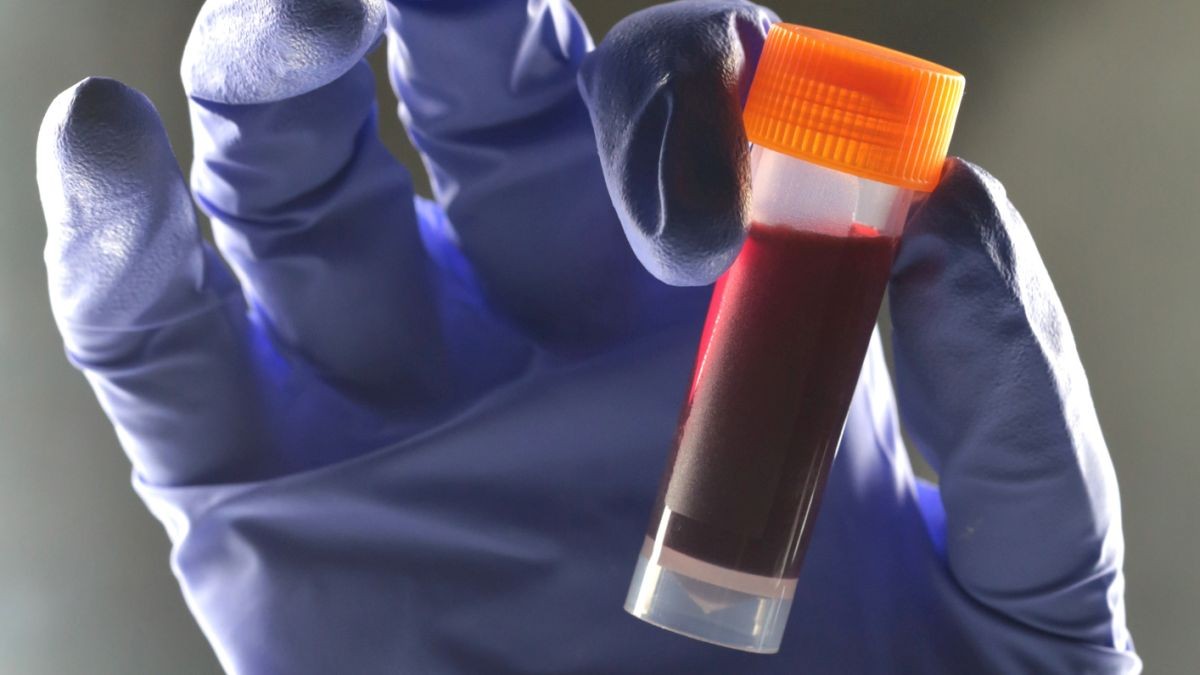
People with blood type B may face a modestly increased risk of developing type 2 diabetes, according to a comprehensive analysis of existing research. While the difference is not substantial, the finding suggests that individuals with this blood type should pay close attention to established diabetes risk factors like diet, weight, and activity level.
The Findings: A 28% Increase in Risk
A 2024 umbrella review – a study that consolidates data from multiple systematic reviews – found that individuals with blood type B (both positive and negative) had, on average, a 28% higher risk of type 2 diabetes compared to those with other blood types. This conclusion emerged from an exhaustive analysis of 270 associations between blood groups and various health outcomes, with only the blood type B-diabetes link meeting the highest standards of statistical rigor.
Why this matters: While a 28% increase is not dramatic, it’s statistically significant and suggests a real biological connection. This means that for someone already predisposed to diabetes due to lifestyle or genetics, having blood type B could slightly elevate their overall risk.
Understanding Blood Types and Potential Links
Human blood is classified into eight groups based on antigens (sugar molecules) on red blood cells: A, B, AB, and O, with Rh-positive or Rh-negative designations indicating the presence of specific proteins. Researchers have long speculated that these subtle differences might influence disease susceptibility. The new review strengthens the evidence for at least one such link: type B blood and diabetes.
The science behind it: The exact mechanism remains unclear, but the gut microbiome is emerging as a potential player. One recent study suggests that individuals with blood type B may have different gut bacteria compositions, influencing their metabolic response to sugar and insulin.
Context: How Significant Is This Risk?
It’s crucial to put this finding into perspective. A 28% increase in diabetes risk associated with blood type B is considerably smaller than the risks posed by well-established lifestyle factors. For example, consuming just 50 grams of processed meat daily increases diabetes risk by 37%, while a sedentary lifestyle can raise it by 112%. Being overweight remains one of the most potent risk factors.
The bigger picture: The study highlights the importance of focusing on modifiable risks (diet, exercise, weight) rather than fixating on unchangeable factors like blood type. However, awareness of this connection may encourage individuals with blood type B to be more proactive about preventive health measures.
Rigorous Analysis and Future Research
The researchers employed strict statistical criteria to filter out weak or unreliable findings, ensuring that the blood type B-diabetes link met the highest standard of evidence. Their approach involved systematically reviewing over 270 published associations and subjecting each one to rigorous testing for consistency, sample size, and potential bias.
What’s next? Further research is needed to pinpoint the underlying mechanisms driving this association and to determine whether targeted interventions could mitigate the risk for individuals with blood type B.
In conclusion, the latest evidence confirms a statistically significant, though modest, link between blood type B and type 2 diabetes. While this finding shouldn’t cause undue alarm, it underscores the importance of personalized health awareness and proactive lifestyle choices for all individuals.