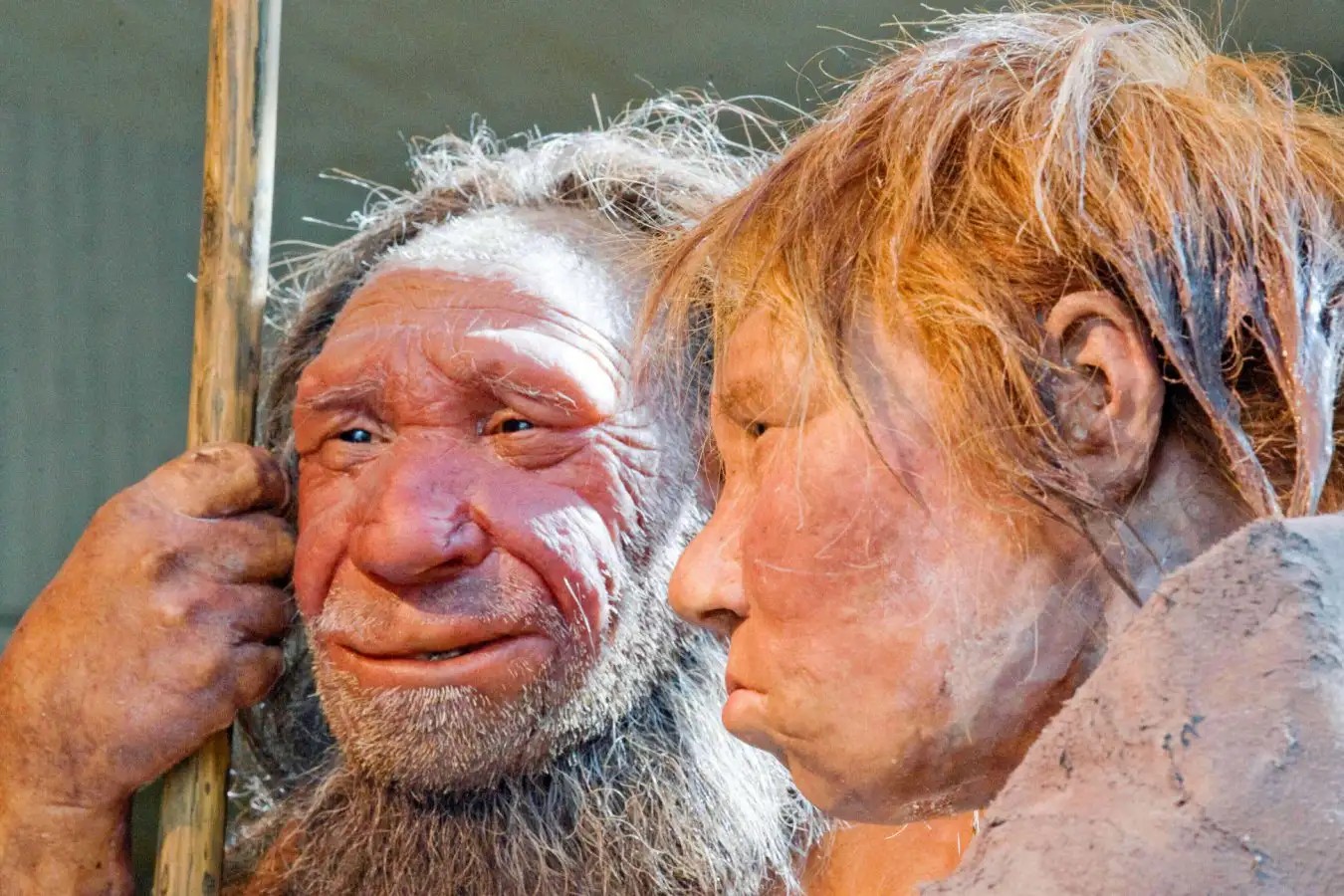
Recent DNA analysis provides a clearer picture of the final millennia of the Neanderthals, confirming a prolonged period of population decline, genetic bottleneck, and eventual extinction around 40,000 years ago. The study, led by Cosimo Posth at the University of Tübingen, reconstructs a history of hardship driven by climatic shifts and limited genetic diversity.
The Bottleneck Effect
For hundreds of thousands of years, Neanderthals thrived across Europe and Asia. However, genetic evidence now shows that after 60,000 years ago, their populations underwent a drastic shift. Late Neanderthals shared remarkably similar DNA, a stark contrast to the genetic variation observed in earlier generations. Researchers sequenced mitochondrial DNA from ten Neanderthal remains found in Belgium, France, Germany, and Serbia, comparing it to 49 previously analyzed genomes. The results confirm a significant population turnover: almost all late Neanderthals descended from a single lineage that emerged around 65,000 years ago, with older lineages disappearing entirely.
This extreme genetic homogeneity suggests a severe population crash. Small, isolated groups with limited diversity are particularly vulnerable to extinction, as harmful mutations can accumulate unchecked. Chance events – such as disease outbreaks or localized disasters – can also wipe out entire lineages with greater ease.
Climate and Geographic Contraction
The population decline appears linked to climatic shifts. Around 75,000 years ago, a major glaciation forced Neanderthals into a geographically restricted area: south-western Europe, particularly modern-day France. Archaeological data confirms this contraction, with a high concentration of Neanderthal sites in this region during that period. As the climate warmed again after 60,000 years ago, they expanded their range, but the population never recovered significantly.
The new lineage that dominated the later Neanderthal populations originated in south-western France and spread eastward, even reaching the Caucasus. However, despite this expansion, genetic diversity remained low, suggesting a continued struggle for survival.
The Thorin Anomaly
One exception to this trend is an individual named Thorin, discovered in France and dated to 50,000 years ago. His DNA belongs to one of the older, vanished lineages. Researchers admit that Thorin “doesn’t fit into the story,” meaning his presence challenges the narrative of total population turnover. This suggests some isolated pockets of earlier Neanderthal populations may have persisted longer than previously thought.
Long-Term Trends and Vulnerability
This latest research builds upon previous findings, including a 2021 study that identified another population turnover around 100,000 years ago, also linked to climate change. The Neanderthals’ small group sizes – estimated between three and 60 individuals – likely exacerbated their vulnerability. Small groups are more susceptible to genetic drift and extinction.
Ultimately, the Neanderthals’ decline demonstrates how a combination of environmental pressures and limited genetic diversity can doom even long-lived species. Their story serves as a stark reminder of the fragility of populations facing rapid change.