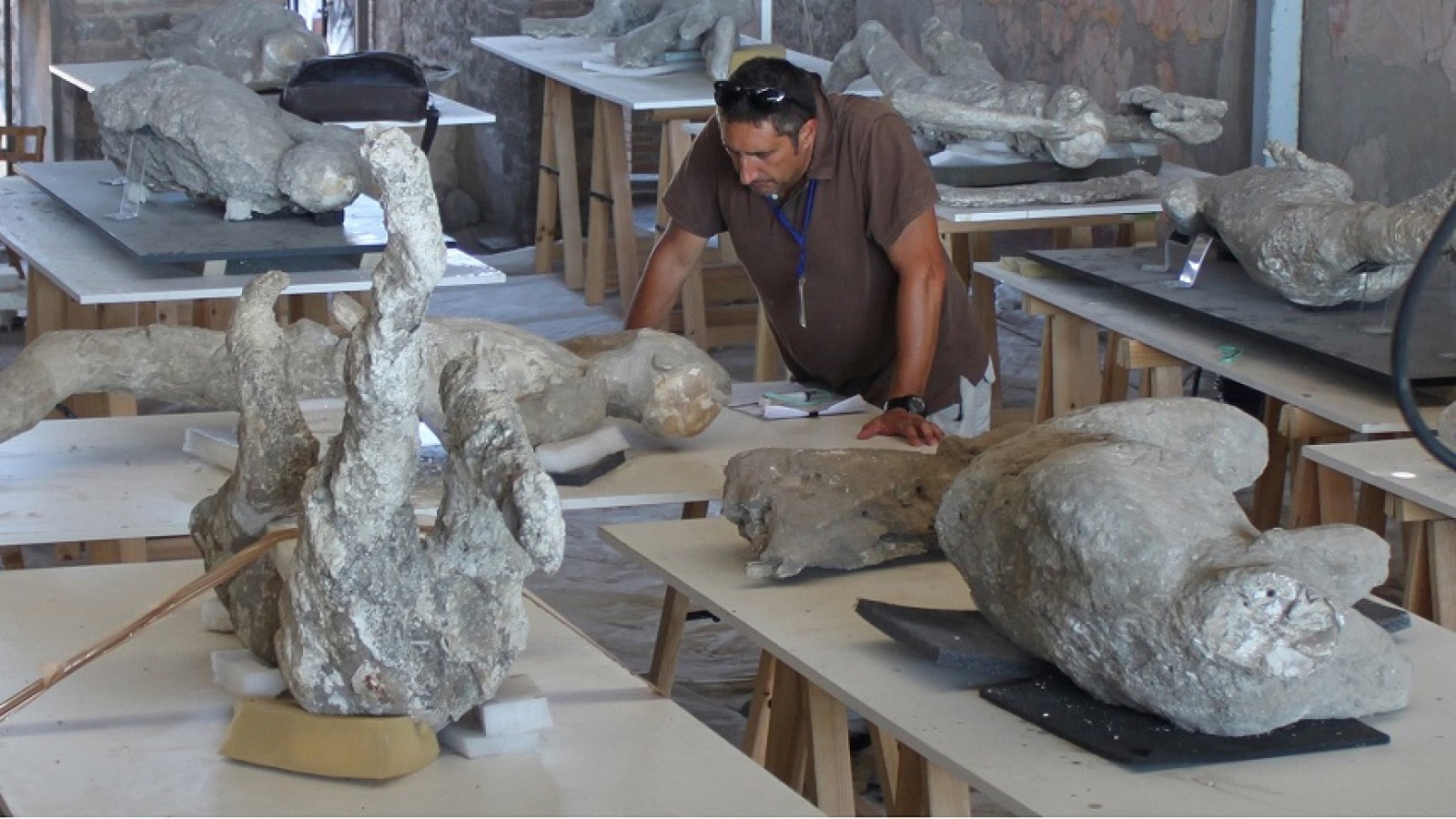
New research suggests that some victims of the Mount Vesuvius eruption in A.D. 79 were wearing woolen clothing despite the typically warm August weather in Pompeii. This finding has reignited debate about the exact date of the disaster, though experts remain divided on whether the clothing indicates an unusual cold snap or simply a practical choice for protection during the eruption.
The Evidence: Woolen Garments Amidst Summer Heat
Archaeologists at the University of Valencia analyzed plaster casts of Pompeii victims, revealing that at least four individuals wore woolen tunics and cloaks. This is notable because August in the region is usually hot, making wool an unconventional choice for comfort. The study, presented at an archaeological conference in Italy, did not definitively link the clothing to cold weather, acknowledging it could have been worn for protection from volcanic gases, heat, or falling ash.
Historical Debate: August 24th or Later?
The timing of Vesuvius’ eruption has been contested for centuries. While modern scholarship, supported by the Roman historian Pliny the Younger’s account, confirms the event occurred on August 24th, A.D. 79, some researchers propose a later date. This theory is fueled by evidence of autumnal fruits found in Pompeii and an ambiguous charcoal inscription, though none of it is conclusive. The debate stems from discrepancies in medieval copies of Pliny’s letters, which initially obscured the precise date.
Why It Matters: Understanding Daily Life in Pompeii
The clothing worn by Pompeii’s inhabitants sheds light on their daily lives. Historians like Pedar Foss point out that wool was the most common fabric in ancient Rome, worn by roughly 90% of the population due to its affordability and durability. However, the new research is important because it establishes what people were wearing when they died, even if it doesn’t settle the weather debate.
The Bigger Picture: More Than Just the Date
The study doesn’t attempt to resolve the eruption date. Rather, it highlights the complexity of reconstructing historical events from fragmented evidence. While some argue that the woolen clothes imply a colder day, others maintain that they were worn for practical reasons during the disaster. The 104 plaster casts created from voids in the ash remain a grim reminder of the eruption’s victims, though modern ethical concerns prevent further cast-making, as it may destroy any remaining organic matter.
Ultimately, the question of whether Pompeii experienced an unseasonable cold snap in A.D. 79 remains open for debate. The woolen clothing worn by the victims offers a curious detail, but does not conclusively prove a change in weather, or disprove the established August date.