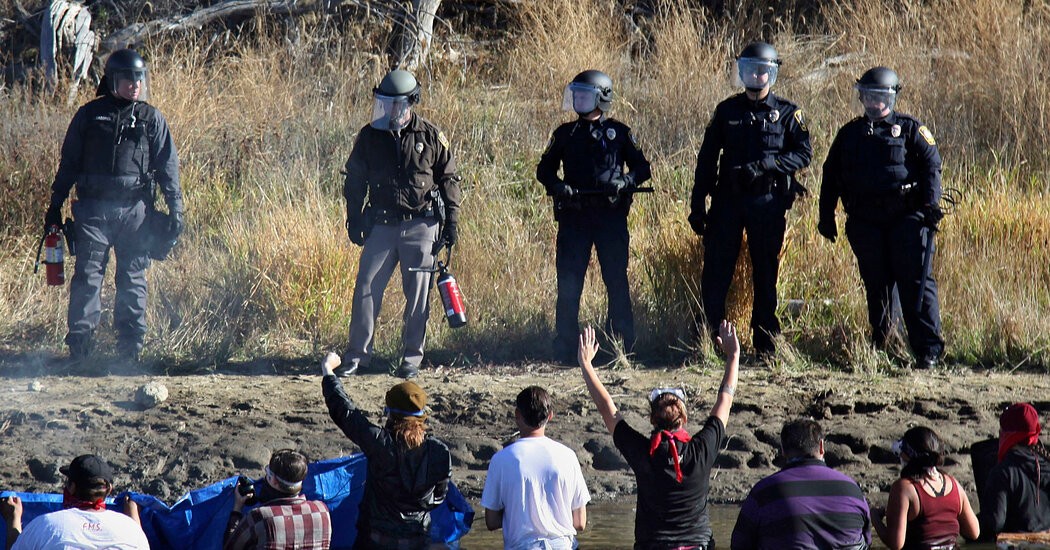
A North Dakota court has upheld a substantial $345 million judgment against Greenpeace, potentially threatening the organization’s future operations in the United States. The ruling, finalized Friday, stems from a lawsuit filed by Energy Transfer, the company behind the controversial Dakota Access Pipeline.
The Core Dispute: Protests and Financial Claims
Energy Transfer alleged that Greenpeace orchestrated disruptive protests against the 1,172-mile pipeline a decade ago. These demonstrations led to construction delays and significant financial losses for the company, according to court findings. The jury originally awarded over $670 million, but Judge James Gion later reduced the penalty to approximately $345 million, distributed among three Greenpeace entities.
Why This Matters: The case raises critical questions about the balance between corporate interests, free speech, and environmental activism. Energy Transfer’s aggressive legal action sends a clear message to potential protesters: challenging powerful corporations carries high financial risk.
Greenpeace’s Response and Legal Strategy
Greenpeace vehemently denies the allegations, calling the lawsuit a baseless attempt to silence critics. Marco Simons, interim general counsel for Greenpeace USA and Greenpeace Fund, stated that the verdict undermines fundamental free-speech rights.
The organization plans to pursue a new trial and, if necessary, appeal to the North Dakota Supreme Court. This legal battle could set a precedent for how environmental protests are treated under the law.
Broader Context and Implications
The Dakota Access Pipeline itself has been a focal point of environmental opposition for years. The pipeline cuts through Native American lands and poses potential risks to water supplies, including the Missouri River.
The Bigger Picture: This case highlights the escalating tensions between corporations, activists, and the courts. The outcome may embolden companies to pursue even more aggressive legal action against environmental groups, potentially chilling future protests.
This ruling has the potential to fundamentally reshape how environmental activism operates in the United States, as Greenpeace may be forced to drastically alter its tactics or even face bankruptcy. The outcome will be closely watched by both advocates and opponents of fossil fuel infrastructure projects.