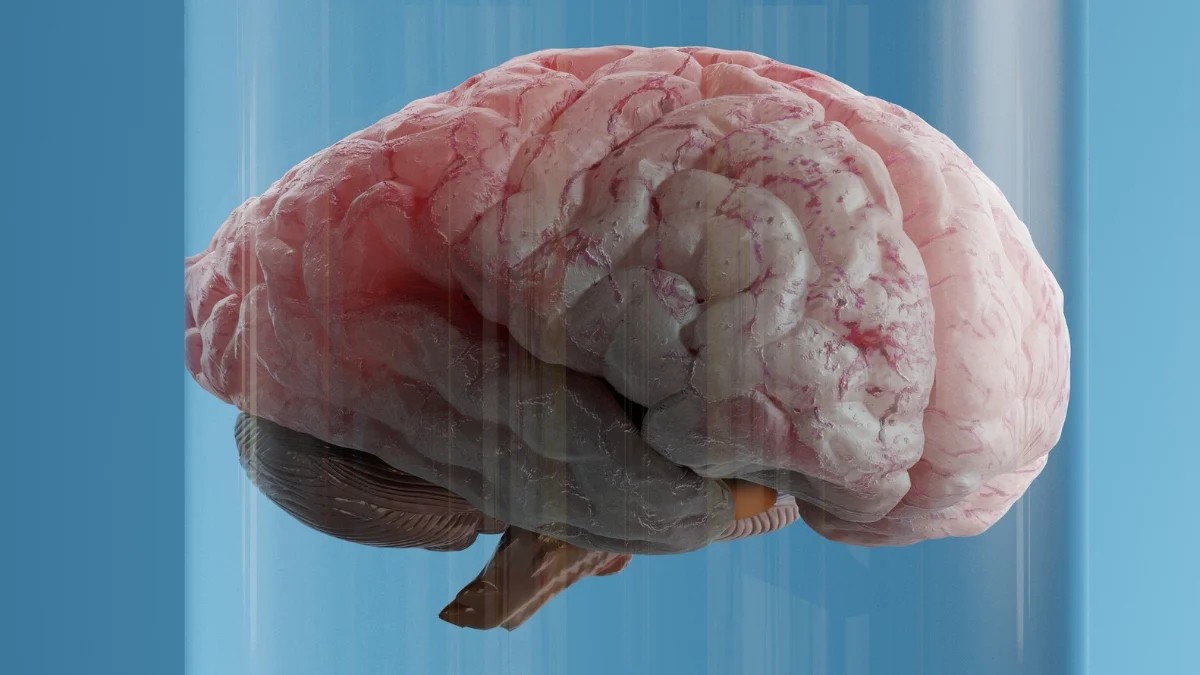
A new long-term study reveals a critical distinction in how body fat affects our minds: visceral fat —the deep layer surrounding internal organs—is linked to accelerated brain aging, while subcutaneous fat (the kind under the skin) appears harmless in this context.
Researchers from Ben-Gurion University of the Negev (BGU) in Israel found that reducing visceral fat through lifestyle changes can preserve brain structure and cognitive function. This suggests that targeting abdominal fat specifically, rather than focusing solely on total weight loss, is a powerful strategy for protecting mental health as we age.
The Hidden Danger of Visceral Fat
Not all fat is created equal when it comes to brain health. The study highlights two distinct types:
- Visceral Fat: Stored deep in the abdomen around vital organs. It is metabolically active and linked to insulin resistance and inflammation.
- Subcutaneous Fat: Stored just beneath the skin. This is the fat most people pinch when checking their weight.
The research indicates that high levels of visceral fat are associated with faster brain atrophy (shrinkage) and lower cognitive performance. In contrast, subcutaneous fat showed no significant relationship with brain health markers.
“Weight alone is not a sensitive marker of the profound metabolic changes occurring in the body,” says epidemiologist Dafna Pachter from BGU. “We found that even when weight loss is modest, sustained reductions in visceral fat are associated with preservation of brain structure.”
How the Study Uncovered the Link
The findings are based on a robust dataset involving 533 adults, predominantly men, who were monitored for 5 to 16 years. Participants were part of four different dietary clinical trials, allowing researchers to track changes over time rather than relying on a single snapshot.
Using MRI scans, blood samples, and cognitive assessments, the team analyzed:
- Brain Volume: Specifically looking at gray matter and the hippocampus, a region critical for memory.
- Ventricle Size: An expansion of brain ventricles is a known marker of aging and atrophy.
- Cognitive Scores: Measuring mental ability over the follow-up period.
- Biomarkers: Including glucose and insulin levels.
The results were clear: participants with lower visceral fat maintained higher brain volumes and performed better on cognitive tests. Conversely, those with higher visceral fat experienced faster expansion of brain ventricles and greater cognitive decline.
The Metabolic Bridge: Glucose and Insulin
Why does belly fat harm the brain? The study points to glucose and insulin as the likely mediators.
Blood tests revealed that elevated blood sugar levels were consistently linked to brain atrophy. Visceral fat is known to contribute to insulin resistance, a condition where the body struggles to regulate blood sugar effectively. This metabolic imbalance may create a toxic environment for brain cells, accelerating aging processes.
This connection raises important questions about metabolic health: Is protecting the brain less about “dieting” and more about stabilizing blood sugar? The evidence suggests that managing the metabolic impact of visceral fat is key to preventing cognitive decline.
The Good News: Reversibility Through Lifestyle
Perhaps the most encouraging finding is that the damage is not inevitable. Participants who achieved the greatest reduction in visceral fat during the initial dietary trials showed the best-preserved brain volumes in later life.
Epidemiologist Iris Shai emphasizes that these targets are within reach:
“The findings point to glucose control and reduction of visceral abdominal fat as measurable, modifiable, and achievable targets in midlife—with real potential to slow brain degeneration and reduce the risk of cognitive decline.”
This means that diet and exercise do not just improve physical appearance; they act as a shield for the brain. Even modest weight loss, if it effectively reduces deep abdominal fat, can yield significant neurological benefits.
Limitations and Future Directions
While the study provides strong evidence, it has limitations. The participants were mostly male and overweight, which means the results may not fully apply to women or individuals with different body compositions. Further research is needed to understand how these dynamics play out across diverse populations.
However, the core message is clear: How you lose weight matters as much as how much you lose. Focusing on reducing visceral fat through healthy eating and regular physical activity may be one of the most effective ways to keep your brain young.
Conclusion
This research shifts the focus from general weight management to specific metabolic health. By prioritizing the reduction of visceral fat and controlling blood sugar, individuals can potentially slow brain aging and preserve cognitive function. It serves as a compelling reminder that caring for your midsection is also caring for your mind.