Monkeys are not just objects of interest in zoos. They are creatures that live in complex social networks and have relationships as detailed as humans. So why is he so smart?
In fact, the fact that monkeys can communicate more easily than other creatures explains why they are such an intelligent species. The bond established with them is not just eye contact. A process of meaning.
Complexity in Social Relationships
If you watch a group of monkeys, you’ll think you’re seeing a family structure in its simplest form. Wrong.
Relationships are much deeper.
- Alliances: Which monkey will be friends with whom? Which group does it belong to? The answers to these questions determine the survival of the group.
- Status: Each monkey has its own place. This place is protected not by physical strength but by social intelligence.
- Communication: Not only sounds, but also gestures, facial expressions and even scent markings are used.
These behaviors show why monkeys are so intelligent. They watch those around them. They don’t make mistakes.
Why So Smart?
Intelligence is not measured by how fast a monkey can run. Intelligence is measured by how quickly one can learn.
Monkeys learn quickly because they can communicate more easily than other creatures. This communication makes them part of a social network. This network facilitates the transfer of information.
Information transfer is also the greatest driving force of intelligence.
In conclusion, monkeys are not just an intelligent animal. They nourish their intelligence with their social structure. This cycle makes them one of the creatures with the closest mentality to humans.
Read more for more information.
Why Monkeys Matter to Science and Survival
We often think of monkeys as just another part of the zoo exhibit. Cute. Clever. But they are far more than that. They are living bridges to our own history. And right now, that history is becoming a medical map.
Biologists have been staring at these primates for decades. Don’t just count tails. But to decode the biology of human disease. The connection isn’t accidental. It’s evolutionary.
The Diversity Problem
Monkeys aren’t a monolith. Calling them all “monkeys” is like calling all cars “vehicles.” You lose the specifics. And the specifics matter when you’re trying to model a drug trial.
Old World monkeys. New World monkeys. Apes (though taxonomically distinct, often grouped in public discourse). They span from the tiny marmoset to the massive gorilla. Some live in trees. Baboons? They hit the ground. Spider monkeys swing.
This variety creates a problem for researchers. If you test a vaccine on a macaque, does it work for a chimpanzee? Does it work for a human? The evolutionary distance varies wildly depending on which branch of the tree you start with.
“Understanding monkey behavior helps us trace the origins of human behavior.”
That’s the promise. But the reality is messier.
Social Complexity as a Data Point
You can’t study a monkey in isolation. They are social animals. Period. They live in hierarchies. Complex ones.
A troop isn’t just a crowd. It’s a political structure. Dominance, submission, alliances. These dynamics affect their stress levels. Their hormones. Their immune systems.
If you’re studying a disease that’s exacerbated by stress—like heart disease or certain cancers—putting a monkey in a cage alone ruins the data. You have to replicate the social structure. Or at least try to.
This is why captive colonies are so important. And so difficult. Keeping a primate happy isn’t just about food. It’s about hierarchy. It’s about recognition.
Intelligence: The Double-Edged Sword
Monkeys solve problems. They use tools. Chimpanzees crack nuts with stones. They fish for termites.
This isn’t just cute party tricks. It’s cognitive architecture.
When scientists study this intelligence, they’re not just looking for smarts. They’re looking for neural pathways. How does the primate brain handle abstract concepts? How does it plan?
This has huge implications for neurology. Conditions like Alzheimer’s or schizophrenia have roots in how we process information. Monkeys share much of that wiring.
But there’s a catch. The closer the genetic link, the more ethically fraught the research becomes. We know they suffer. We know they understand more than we’d like to admit.
What Do Monkeys Actually Eat?
This seems like a trivial question. “What do monkeys eat?”
It’s not. Diet drives health.
Most are omnivores. But the ratio shifts. Some are frugivores—fruit specialists. Others are folivores—leaf eaters. Leaves are hard to digest. You need a specialized gut. A longer colon. A symbiotic relationship with bacteria that break down cellulose.
If a monkey’s diet changes—due to habitat loss or captive feeding—the gut microbiome shifts
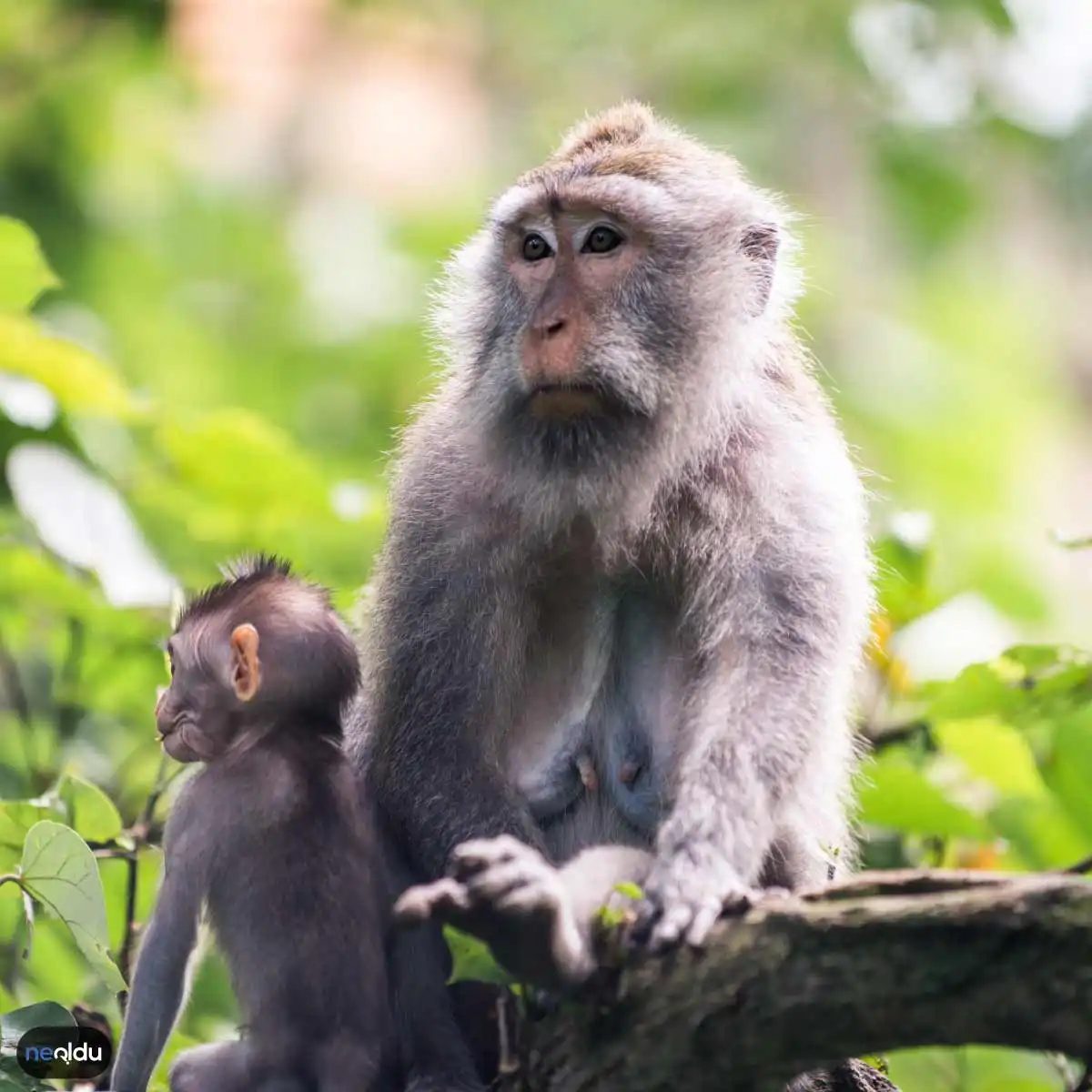
Monkeys display surprising flexibility not only in their social structure but also in what they eat. This flexibility allows them to survive in different geographies. However, not every monkey species looks at the same plate. Habitat, geographical location and biology of the species are the main factors that determine the diet.
The Logic Behind Leaf and Herb Consumption
Many species of monkeys, such as parasidae, use leaves and herbaceous plants as their main source of energy. These species, which live especially in Africa and some parts of Asia, are resistant to seasonal changes.
From where? Because when there is a shortage of fruit, the leaves are always there.
Treetop-dwelling species have long intestines to digest these sources despite their high fiber content. This gives them a chance to survive even if they cannot access fruit or other food sources.
The leaf diet allows the monkeys to keep energy to a minimum but provide a constant flow of nutrients.
Fruit: Source of Quick Energy and Hydration
Fruit is indispensable for monkeys in forest ecosystems. It’s not just a sweet snack, it’s a vital energy source.
Monkeys living in the forest feed by choosing ripe fruits. These fruits:
* Provides a carbohydrate load (fast energy).
* Supports hydration with its high water content.
* In some cases, it provides vitamin supplements.
Fruit hunting monkeys feed in tree crowns without losing mobility. This affects their protection strategies from predators.
Seeds and Nuts: Storehouse of Protein and Fat
In addition to fruit, seeds and nuts have an important place in the diet of monkeys. Especially large-sized monkeys break hard-shelled fruits to reach the seeds inside.
This action not only provides nutrients but also triggers the development of strong jaw muscles.
Seeds:
* Contains high protein.
* Fills fat tanks.
* Provides long-term satiety.
Especially in tropical forests, seeds play a vital savior role during periods of fruit shortage.
Insects and Invertebrates: Hidden Sources of Protein
Although great apes appear to be carnivorous, small invertebrates are critical in their diet. Small species such as spider monkeys
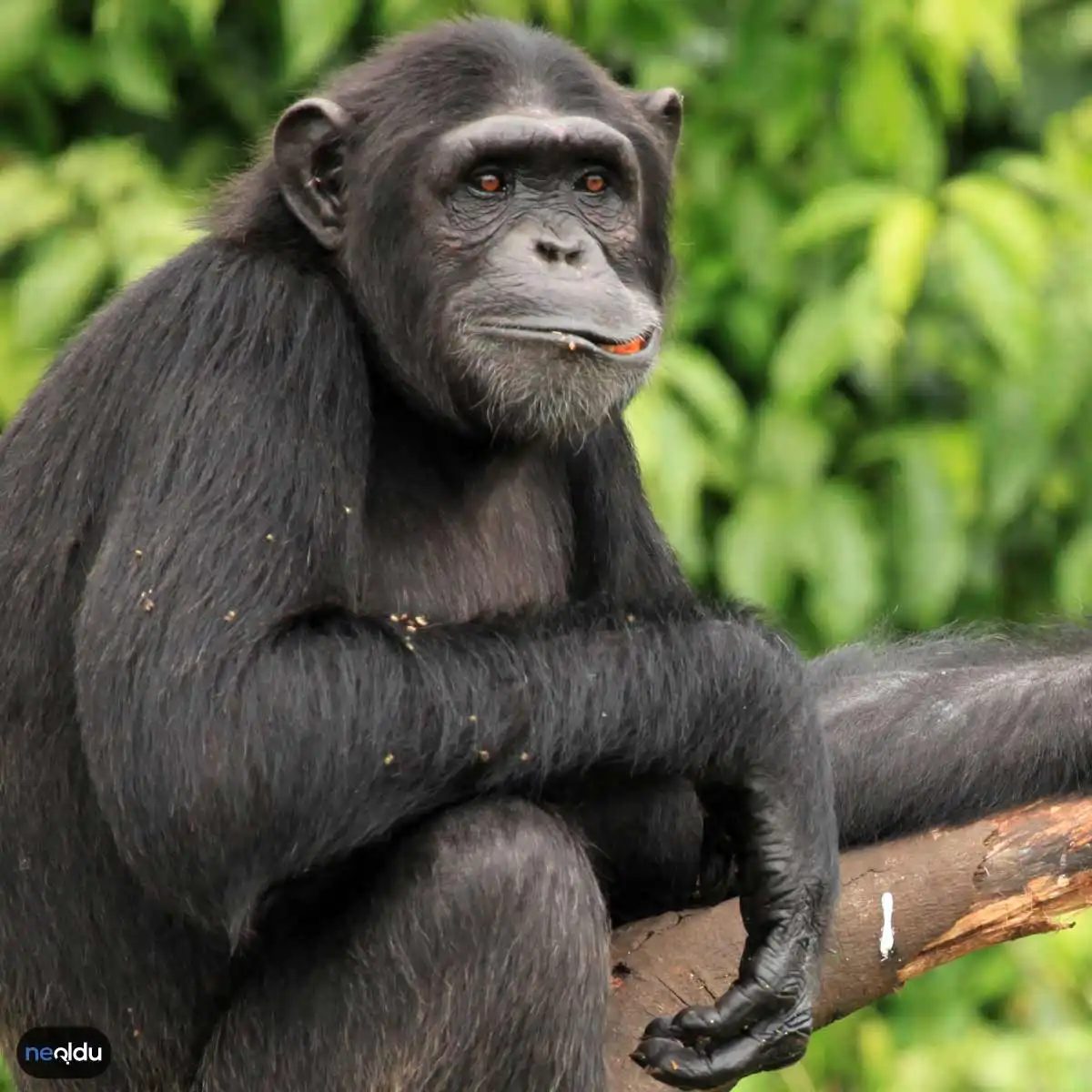
When you think of monkeys, the first thing that comes to your mind may be those cute creatures that do somersaults in the zoo or give funny reactions to the audience. But the biological reality behind these creatures is not just fun; it contains complex social dynamics and surprising intelligence abilities. Yes, they can’t do your math homework; They don’t even have the ability to check your books. But they can count.
264 different monkey species have been recorded worldwide. These are divided into three main groups: Old World Monkeys, New World Monkeys and, more generally, Monkeys. This distinction is key to understanding their geographic distribution and evolutionary history.
Old World vs New World: Geographic and Biological Divergence
When we focus on Asia and Africa, we are faced with Old World Monkeys. This group is evolutionarily more closely related to humans and chimpanzees. In some parts of Asia, people train these animals to collect fruits from high branches. Whether this is cooperation or exploitation is debatable, but ultimately it is productive.
New World Monkeys, on the other hand, are native to South and Central America. The tail structure is different, most of them have the ability to grasp the tail. However, there is a critical distinction here: When it comes to tool use, Old World Monkeys (especially chimpanzees and some macaque species) stand out as the most skilled group after humans.
Why is this distinction important? Because it is an indicator of ability to use tools, solve problems and plan the future. Some advanced species consume the fruits by washing them after picking them. Although this may seem like a simple action, it requires an advanced cognitive process in terms of hygiene awareness and resource management.
Social Structure and Communication: What Does Scratching Mean?
The social relationships of monkeys are not very different from those in human societies. However, communication channels are different. Cleaning each other’s feathers is not only for hygiene, but also for strengthening social bonds. Scratching sends the message “I care about you”, “we are members of a common group”.
Relationship life is a little weirder. After climbing high, he declares his love by urinating on the female monkey he is interested in… This is a way of courting. This scent-based signal also sends a message to other female monkeys or male rivals. Complicated.
Intelligence and DNA: How Similar Are We?
Scientists found that human DNA and chimpanzee DNA match 99%. Here we take a look at Charles Darwin’s theories. This similarity is not just physical,
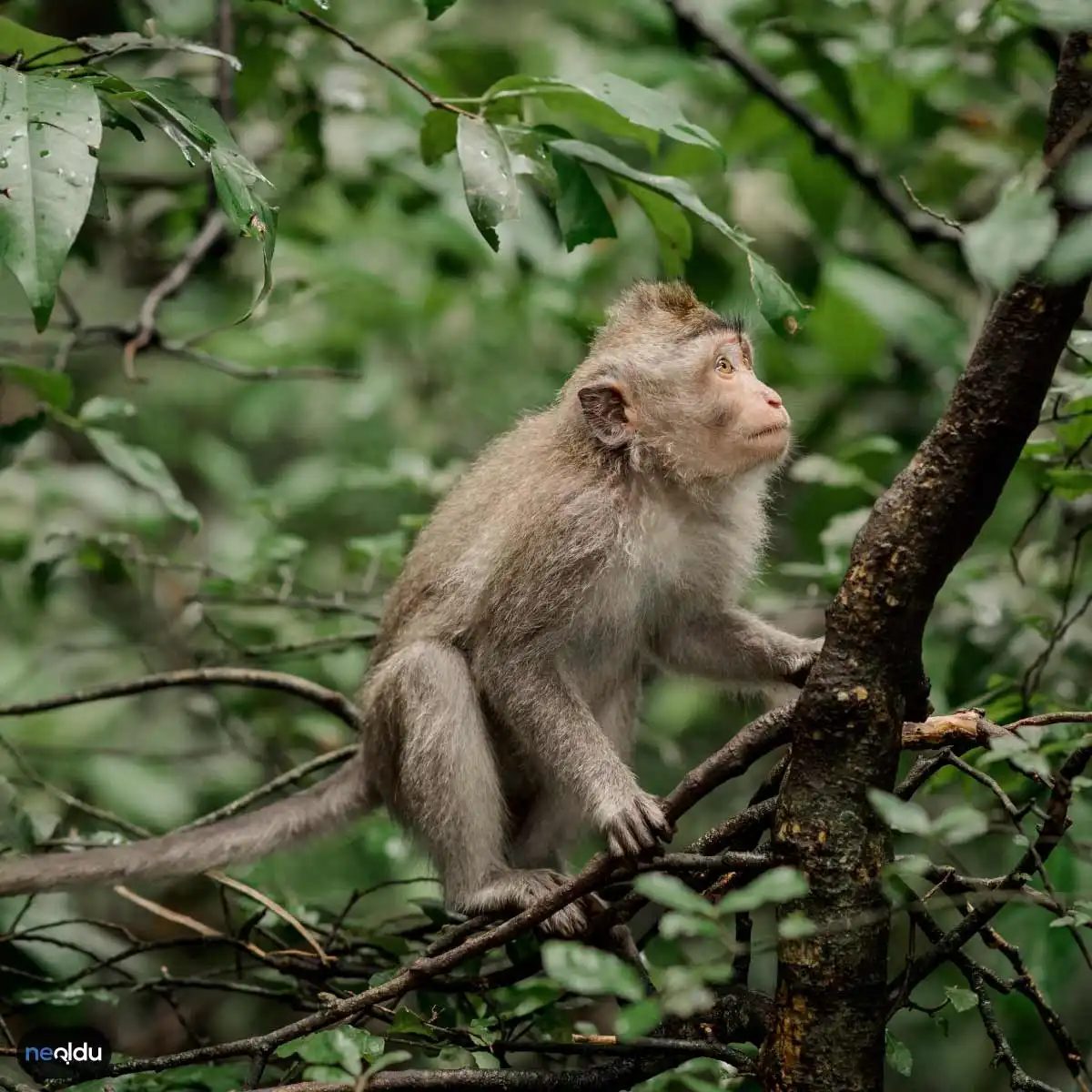
Primates are not a monolith. They are mammals scattered across the globe, adapting to environments that range from dense, dripping jungles to the cracked concrete edges of sprawling cities. Their survival hinges on specific geographic conditions. Some thrive in the high-altitude clouds of mountain ranges. Others navigate the wetlands. The diversity of their housing tells a story of evolution under pressure.
Forests: The Primary Battleground
For the vast majority of primate species, the forest is non-negotiable. It is the only place that provides the vertical complexity they need to survive. Tropical rainforests, in particular, serve as the ultimate sanctuary. The canopy structure here allows species to move without ever touching the ground. This vertical mobility is key. It protects them from terrestrial predators and opens up a wide variety of food sources.
The dense vegetation isn’t just shelter. It is a pantry. Fruits, leaves, and insects are distributed across different levels of the tree line. Species that rely on this environment have evolved specialized limb structures to swing, climb, and grip. Without these dense canopies, many species would simply vanish.
Mountainous Terrain and High Altitudes
Not all primates stay at sea level. Some have adapted to the thin air and cooler temperatures of mountainous regions. These high-altitude habitats, often consisting of cloud forests or alpine scrublands, require different physiological traits. Thick fur is common here. Metabolic rates adjust to conserve heat.
The food sources differ significantly from lowland forests. These primates often rely on lichens, specific bark types, and insects that survive in colder climates. They are less agile in terms of long-distance swinging but highly adapted to navigating rocky, uneven terrain. Their survival depends on the integrity of these isolated mountain ecosystems.
Savannas and Open Grasslands
The idea that monkeys only live in trees is a misconception. Some species, particularly baboons and guenons, thrive in open landscapes. African savannas and Asian grasslands present a different set of challenges. The lack of continuous tree cover means these primates must be more terrestrial.
They still require woodland patches for sleeping and safety during the day. But they spend significant time foraging on the ground. This shift demands stronger leg muscles and different social strategies to protect against predators like lions or leopards. They compete directly with other grazing animals for resources, forcing them into a more competitive niche.
Wetlands and Mangrove Swamps
Water changes everything. Certain primate species have specialized diets and movements for wetland environments. Mangrove forests and swampy areas provide a unique food web. These primates often consume crustaceans, fish, and aquatic plants. Their digestive systems have adapted to handle higher salt content or specific enzymes found in wetland flora.
Movement in these areas is tricky. The ground is unstable. These species must be adept at balancing on submerged roots and muddy banks. It is a harsh environment, but one with less competition from terrestrial predators found in drier forests.
Urban Adaptation and Human Proximity
Human expansion has forced some primates into urban areas. This is not a natural preference but a response to habitat loss. Monkeys in cities, whether in Southeast Asia, South America, or Africa, learn to scavenge. They exploit human waste, ornamental plants in parks, and sometimes direct handouts from tourists or locals.
This coexistence is fraught with danger. Traffic accidents, disease transmission, and conflict with humans are constant threats. However, their cognitive flexibility allows them to navigate complex urban landscapes. They recognize traffic patterns. They learn which dumpsters yield food. It is a precarious existence, but one that highlights their adaptability.
“Primates are not just wild animals; they are survivors who have learned to live in the cracks of human civilization.”
Feeding Habits and Dietary Flexibility
Diet varies wildly by species. Frugivory is common in tropical forests, where fruit availability dictates social movement. Folivory dominates in areas with fewer fruits, leading to slower metabolisms. But many primates are omnivores. They eat insects, small vertebrates, and occasionally engage in hunting. This dietary flexibility is a major reason for their success. When one food source fails, they can switch to another.
Communication: More Than Just Noise
Primate communication is a complex web. It is not just about alarm calls. It involves subtle gestures, facial expressions, and vocalizations. Some species use specific sounds to denote different types of predators. Others use grooming as a social bonding mechanism that reinforces hierarchy. The visual aspect is huge. Facial coloration can signal mood or health status. It is a language of body and sound.
Intelligence and Tool Use
The cognitive capabilities of primates are staggering. Tool use is not unique to humans. Chimpanzees use sticks to fish for termites. Capuchin monkeys use stones to crack nuts. Some species even modify their tools. Problem-solving skills allow them to navigate changing environments. They can learn symbolic languages in controlled settings, demonstrating an understanding of abstract concepts. This intelligence makes their conservation even more urgent. We are losing not just animals, but distinct cognitive lineages.
Global Distribution and Conservation Crisis
With over 260 species, primates are found on every continent except Antarctica. From the Amazon basin to the savannas of Africa, their range is vast. But this range is shrinking. Habitat destruction is the primary driver of decline. Deforestation for agriculture, logging, and urban sprawl fragments their populations.
Illegal