If you are hunting for the best foreign TV series, you are likely looking for shows that define the medium rather than just fill time. We are talking about narratives that stick to your ribs. High ratings on platforms like IMDb are often the quickest shortcut to finding quality, but they are not the only metric that matters. Still, when a show scores above 9.0, it usually signals a specific kind of excellence in writing, acting, and production value.
The list below highlights productions that have carved out permanent spots in pop culture history. From gritty crime dramas to sprawling fantasy epics and sharp satires, these series offer a mix of genres that appeal to different tastes. Whether you want to dive into the political machinations of the British royal family or explore the dark underbelly of American suburbia, there is a marathon waiting for you.
Let us look at how these top-tier shows stack up against each other. Why do some series maintain a 9.5 rating while others hover around 8.5? Often, it comes down to consistency. A show can have a brilliant pilot, but does it sustain that momentum over five, seven, or ten seasons? The following entries answer that question with a resounding yes.
1. Breaking Bad (2008)
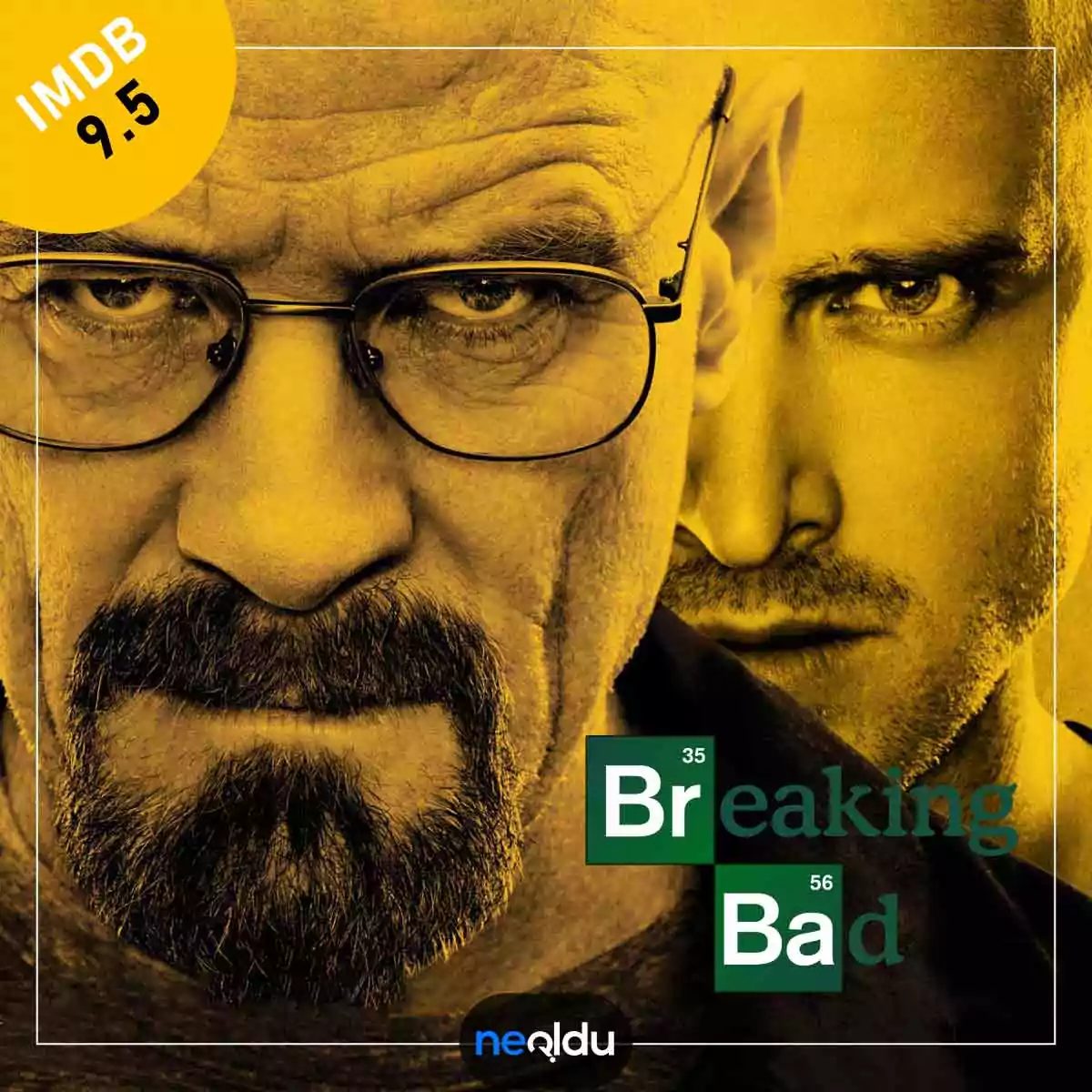
Breaking Bad holds the top spot for a reason. With an IMDb rating of 9.5, it is widely considered one of the greatest television achievements of the 21st century. The series follows Walter White, a mild-mannered chemistry teacher who is diagnosed with terminal lung cancer. Instead of accepting his fate, he turns to cooking methamphetamine to secure his family’s financial future.
The transformation from Mr. Chips to Scarface is not just a plot device; it is a psychological deep dive into pride, fear, and moral decay. Bryan Cranston’s performance is a masterclass in subtlety and intensity. You can see the humanity slipping away in his eyes, replaced by a cold, calculating survival instinct.
Why does this show resonate so deeply? It is the precision of the storytelling. Every episode feels necessary. The pacing is relentless yet deliberate. The supporting cast, including Aaron Paul as Jesse Pinkman, provides the emotional anchor that makes Walter’s descent even more tragic. You are not just watching a criminal rise; you are watching a man destroy himself and everyone around him.
The series ran from 2008 to 2013, spanning five seasons. It remains the benchmark for character-driven crime dramas. If you have not seen it, it is arguably the most important foreign series to watch. The finale is one of the most satisfying conclusions in TV history, tying up loose ends with surgical precision.
Other entries on this list have their merits, but few match the sustained tension and narrative coherence of Breaking Bad. It sets the standard for what a long-form television story can achieve.
It starts with a diagnosis. That’s the spark. Walter White, a high school chemistry teacher who feels overlooked and undervalued, learns he has terminal lung cancer. Rather than accepting his fate quietly, he decides to secure his family’s financial future before he dies. The method? Methamphetamine production. It’s a steep fall from sobriety to crime, but Breaking Bad makes it feel inevitable.
Created by Vince Gilligan, the show is less about the drug trade itself and more about what happens to a good man when he loses all moral guardrails. Bryan Cranston delivers a career-defining performance as Walt, a man whose transformation from mild-mannered educator to ruthless cartel leader is both terrifying and mesmerizing. Aaron Paul plays Jesse Pinkman, Walt’s partner in crime and conscience, whose emotional arc often carries the show’s heart. Anna Gunn adds complexity as Skyler White, Walt’s wife, who becomes entangled in his web of lies.
The series blends elements of crime, drama, and thriller genres with surgical precision. There are no easy answers, no clear heroes, and very few safe exits. Every choice leads to another, and the tension never lets up.
The Anatomy of a Transformation
What makes Breaking Bad stand out in the crowded landscape of prestige television is its commitment to consequence. Actions have weight. Words have echoes. The show doesn’t rush. It lets moments breathe. A glance. A silence. A misplaced item. These small details accumulate into something larger than the sum of their parts.
Walt’s journey is a masterclass in character development. You watch him shed his inhibitions layer by layer. At first, he rationalizes his actions. I’m doing this for my family. But soon, the rationale shifts. He’s doing it because he’s good at it. Because he likes the power. Because he can.
Jesse serves as the moral counterweight, though even he isn’t immune to corruption. Their dynamic is the emotional core of the series. They’re partners, father and son, enemies, and victims, all at once. Their relationship evolves through betrayal, loyalty, violence, and regret. It’s messy. It’s human.
Visual Storytelling and Symbolism
Vince Gilligan and his team use visual language to enhance the narrative. The color palette shifts as Walt descends deeper into darkness. Early seasons are bright, open, almost pastoral. Later seasons are claustrophobic, shadowed, and tense. The desert becomes a character itself — vast, unforgiving, and indifferent to human suffering.
Symbolism is woven throughout. The RV, the hazmat suits, the blue meth — each element carries meaning. The blue crystal isn’t just a product. It’s a symbol of Walt’s new identity. Pure. Powerful. Dangerous. It reflects who he’s become.
The show also plays with perspective. We see events through different characters’ eyes. We understand their motivations, their fears, their justifications. This doesn’t excuse their actions, but it complicates our judgment. That’s the brilliance of Breaking Bad. It doesn’t tell you how to feel. It makes you feel it.
Legacy and Influence
When the series ended, it left a void. Few shows have matched its narrative ambition
The 80s are back. Not just in fashion, but in storytelling.
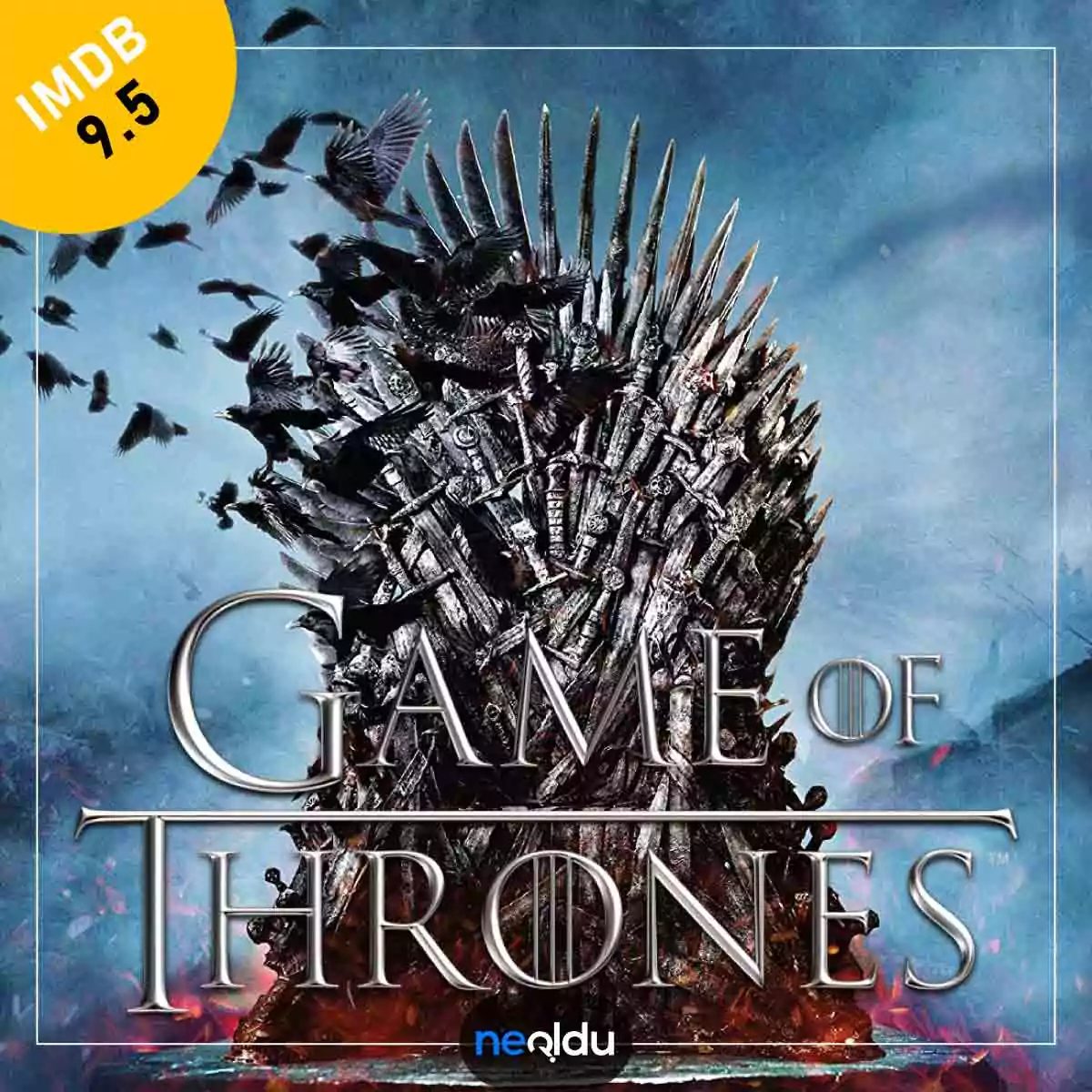
Stranger Things isn’t just a show. It is a love letter to the sci-fi and horror staples of the late 1970s and 1980s. It takes the suburban innocence of Spielberg and mixes it with the cosmic dread of King. The result? A cultural phenomenon that redefined how we binge television.
Created by the Duffer Brothers, the series launched on Netflix in 2016. It arrived with a simple premise that quickly expanded into something far more complex. A young boy vanishes. A small town in Indiana becomes ground zero for supernatural events. And what starts as a search for a missing kid turns into a battle for reality itself.
The Blend of 80s Nostalgia and Modern Horror
Why does it work? It’s the atmosphere. The show captures the analog era. Walkie-talkies, arcades, and cassette tapes aren’t just props. They are integral to the plot. The neon-soaked aesthetic isn’t just for looks. It sets the mood for a story that balances heart-pounding terror with genuine coming-of-age warmth.
The series excels at creating tension. It knows when to whisper and when to scream. The music by Kyle Dixon and Michael Stein uses synthesizers to build unease. You hear that sound before you see the monster. It triggers a Pavlovian response in viewers. Dread.
The Core Cast and the Hawkins Crew
At the center is Eleven, played by Millie Bobby Brown. She is the anchor. A girl with psychic powers and no memory of her past. Her relationship with Mike Wheeler (Finn Wolfhard) drives the emotional core. It’s sweet. It’s complicated. It’s essential.
Then there’s the group of boys. Dustin, Lucas, and Will. Their friendship feels real. You believe in their loyalty. When they face the unknown, they don’t just run. They strategize. They use their wits.
And you can’t forget the adults.
Hopper (David Harbour) and Joyce Byers (Winona Ryder) provide the grounded, parental perspective. Joyce’s determination to find her son is raw and compelling. Hopper’s transition from grumpy sheriff to protective father figure is one of the show’s best arcs.
“The Upside Down is not just a place. It’s a reflection of our fears.”
The Monsters and the Mind-Bending Lore
The villain isn’t just a monster. It’s a hive mind. The “Demogorgon” was just the beginning. The show introduces the Upside Down early on. A dark, parasitic mirror of Hawkins. It bleeds into our world through cracks in reality.
The stakes rise with each season. What starts as a local mystery expands to global threats. Government conspiracies. Secret experiments. The Hawkins Lab isn’t just a setting. It’s a symbol of institutional betrayal.
The science is pseudo, but the emotion is real. The show doesn’t get bogged down in jargon. It uses the sci-fi elements to explore themes of loss, trauma, and growing up. The kids are forced to mature too fast. The adults are trying to hold onto a past that’s slipping
Why David Simon’s Crime Saga Still Matters
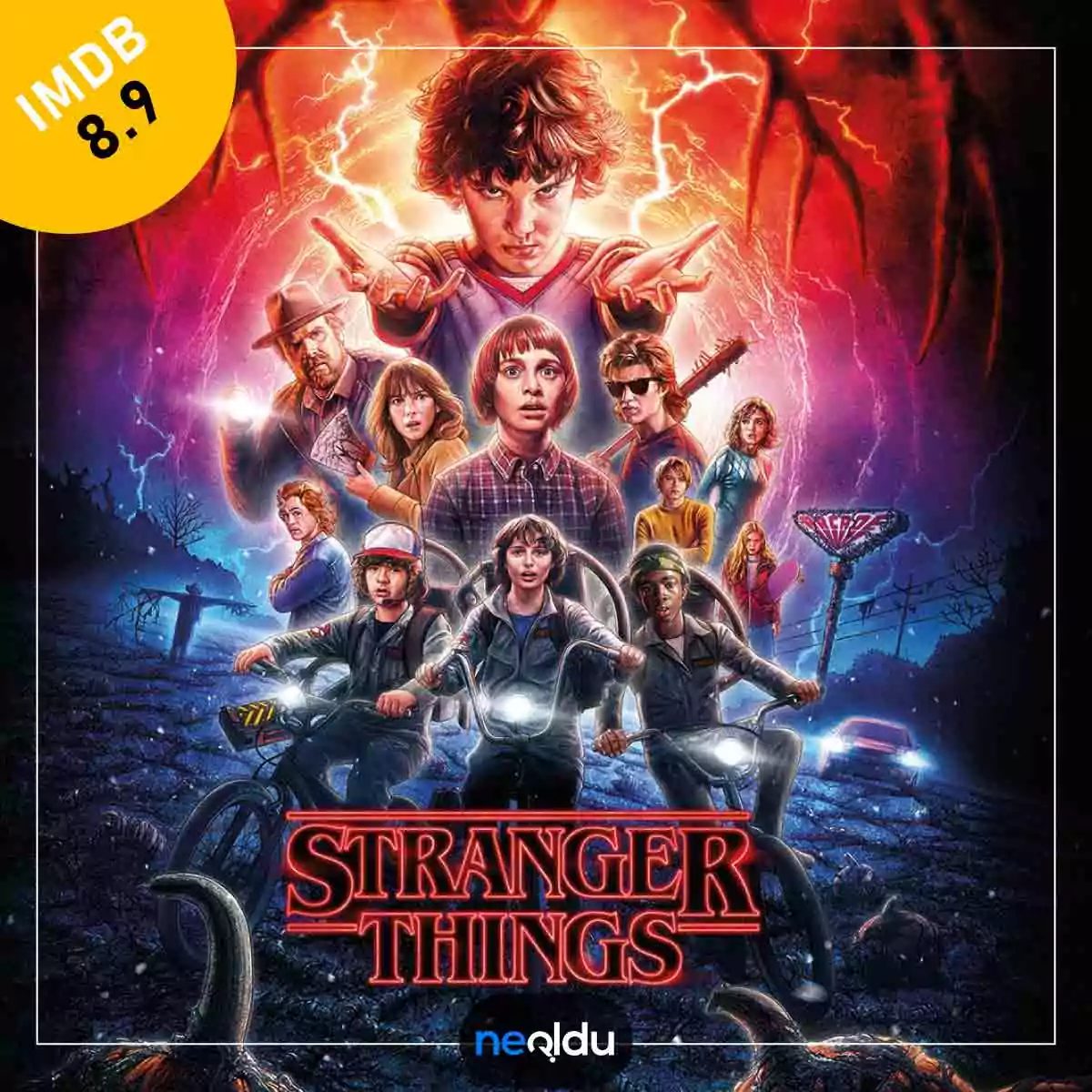
Forget the supernatural monsters for a second. If Stranger Things is about the magic of childhood in a small town, The Wire is the harsh, unvarnished truth of urban decay in Baltimore. It doesn’t just tell a story; it dissects an entire city. And honestly, most shows aren’t even in the same league.
Created by former Baltimore Sun reporter David Simon, this HBO series dropped in 2002 and changed the game forever. It’s not a police procedural in the traditional sense. There are no neat resolutions at the end of each episode. Instead, it’s a sprawling sociological novel that treats drugs, the port, the schools, the political machine, and the press as interconnected organs in a sick body.
More Than Just a Crime Show
You might tune in expecting Law & Order. You’ll stay because it’s The Sopranos meets The Wire. It’s gritty. It’s dense. It demands your attention.
The ensemble cast is legendary. Dominic West plays Jimmy McNulty, a brilliant but self-destructive detective whose methods often blur the line between justice and obsession. Idris Elba brings a quiet intensity as Stringer Bell, the intellectual kingpin of the Barksdale organization. Then there’s Wendell Pierce as Bunk Moreland, McNulty’s partner, who grounds the show with a weary, human perspective that keeps you from completely losing your mind.
The Baltimore Setting as a Character
What makes The Wire stand out in the pantheon of great TV dramas is its setting. Baltimore isn’t just a backdrop; it’s the protagonist. Simon and his team, including co-creator George Pelecanos, captured the soul of the city with uncanny accuracy. From the projects of Westside to the docks, every corner tells a story of systemic failure.
The show argues that institutions are designed to protect themselves, not the people they serve. Whether it’s the police department playing politics to boost clearance rates or schoolteachers failing kids because the system is broken, the message is clear. The game is rigged.
Why Watch It Now?
It’s easy to dismiss The Wire as slow or depressing. But that’s missing the point. It’s a tragedy, yes, but also a profound act of empathy. It asks you to understand the characters on all sides of the drug trade. The junkies. The dealers. The cops. The politicians.
“The show is about the failure of the American city to solve the problems it created.” — David Simon
It’s not a binge-watch in the traditional Stranger Things sense. It’s a marathon. You’ll need to pay attention. You’ll need to keep up with the shifting alliances and the intricate plots. But once you’re in, you’ll realize you’re not just watching a show. You’re witnessing a masterpiece of American television.
And unlike Hawkins, Indiana, Baltimore doesn’t have an Upside Down to escape to. There’s only reality. And The Wire forces you to look at it. Directly.
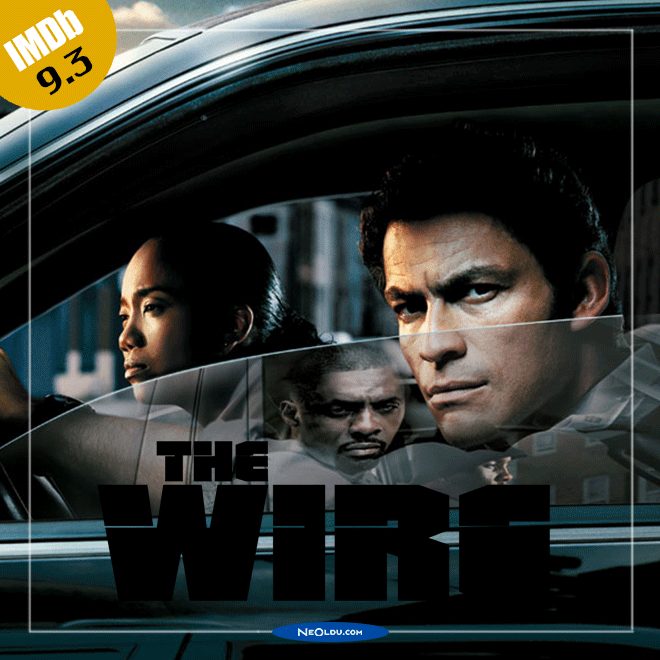
Baltimore’un sokakları sadece bir sahne değil, bir karakterdi. The Wire, uyuşturucu ticaretinin karmaşık ağlarını ve bu işin şehrin her katmanına nasıl sızdığını, belki de television tarihinin en dürüst, en acımasız incelemesini sundu. David Simon’un vizyonu, kurgusal bir polis dramasının ötesine geçti. Gerçekçilik, hereke derinliğiyle birleşince ortaya çıkan şey, izleyiciyi rahatsız eden, ama bir o kadar da büyüleyen bir dokümenter havasındaydı. Dominic West, Lance Reddick ve Sonja Sohn gibi isimler, tek bir rolde değil, birer varoluş biçiminde can buldu. Suç ve dram türlerinin sınırlarını zorlayan bu yapıt, unutulmaz değil, şartlı olarak hatırlanır. Çünkü gerçek hayat, unutmayı kabul etmez.
Sherlock’ün Modern Yüzü
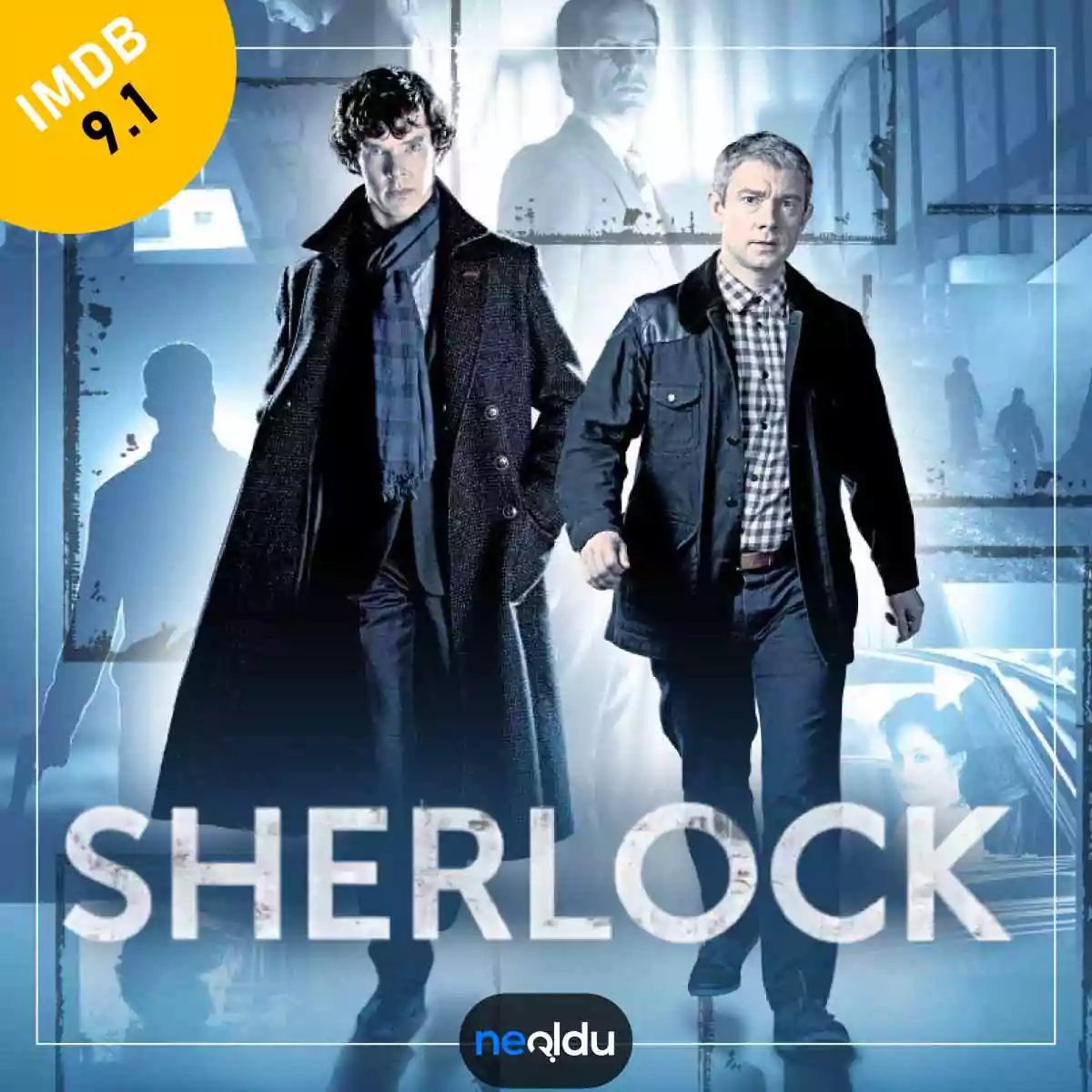
2010 yılında BBC ekranlarına çıkan Sherlock, Arthur Conan Doyle’un klasik dedektifini 21. yüzyılın dijital çağrısına taşıdı. Bu sadece bir uyarlama değil, bir yeniden keşifti. Benedict Cumberbatch’in canlandırdığı Sherlock Holmes, her zamanki gibi zekâsıyla öne çıkıyordu. Ancak bu kez, zekâsı bir silah gibi kullanılıyordu. Londra’nın sisli sokakları, artık akıllı telefonlar ve sosyal medya izleri taşıyordu.
John Watson’ın rolü de yeniden tanımlanmıştı. Martin Freeman’in yorumuyla, Watson artık sadece bir notter değil, bir savaş gazisi ve duygusal ankrostu. İki karakter arasındaki dinamik, klasik dostluk anlatısından öte, birbirini tamamlayan ama aynı zamanda birbirini tehdit eden bir ilişkiydi.
Bu seri, neden bu kadar çok kişi tarafından severek izlendi? Cevap basitti. Hız. Sherlock, izleyiciyi beynini çalıştırmaya zorladı. Her bölüm, bir bulmaca gibiydi. İzleyici, dedektifle aynı zihinsel süreçten geçmeye çalışıyordu. Bu interaktif deneyim, seriye ayrı bir boyut kattı.
- Tür: Suç, Gizem, Dram
- Yönetmen: Paul McGuigan, Euros Lyn
- Oyuncular: Benedict Cumberbatch, Martin Freeman
6. The Office (2005)
Before we jump into the cringe-comedy that defined a generation, let’s look at the original. Sherlock reimagines Conan Doyle’s iconic detective for a contemporary audience. It works because it sticks to the roots of the mystery genre while letting Benedict Cumberbatch’s performance steal the show. You can’t talk about modern adaptations without mentioning the writing team of Mark Gatiss and Steven Moffat. The cast, anchored by Rupert Graves and Martin Freeman, turns each episode into a tight crime drama. It’s suspenseful. It’s stylish. It’s exactly what fans wanted.
6. The Office (2005)
Then there is The Office. Specifically the 2005 UK version created by Ricky Gervais and Stephen Merchant. It changed how we watch sitcoms. The mockumentary style felt raw. Uncomfortable. Real.
- Tür: Komedi, Belgesel tipi dizi
- Yönetmen: Ricky Gervais, Stephen Merchant
- Oyuncular: Ricky Gervais, Martin Freeman, Mackenzie Crook
David Brent is a manager who thinks he’s loved. He’s not. The humor comes from the silence. The awkward pauses. The sheer dread of office life. Unlike the polished sitcoms before it, The Office didn’t hold your hand. It forced you to watch a man fail as a leader and as a human being. It’s dark. It’s funny. And it’s endlessly rewatchable.
Why do we still talk about it? Because the pain is universal. You’ve all been Brent.
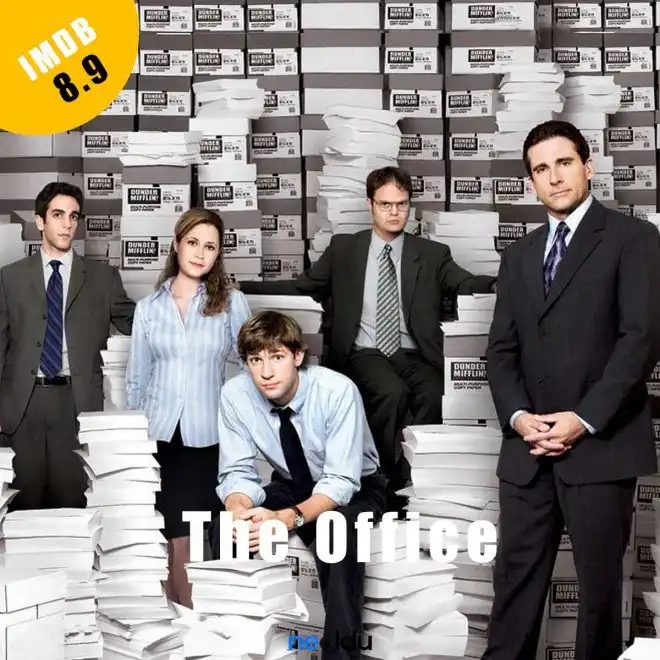
The Office didn’t just show you a paper company. It showed you the soul-crushing beige of middle management through a mockumentary lens. Greg Daniels adapted the British hit, but it was the cast—Steve Carell’s Michael Scott, Rainn Wilson’s Dwight Schrute, John Krasinski’s Jim Halpert—that turned a mundane setting into a cultural phenomenon. It proved that comedy doesn’t need punchlines every ten seconds. It needs awkward silences. It needs the cringe.
Then came The Crown.
A Decade of Royal Drama
2016 marked the arrival of a different kind of prestige. Netflix’s The Crown took the dry, dusty archives of British monarchy and turned them into a high-stakes soap opera dressed in period costumes. It wasn’t about humor. It was about duty, tragedy, and the weight of a crown that never fits quite right.
Where The Office found laughter in failure, The Crown found pathos in perfection.
Why It Matters Now
The show ran for six seasons. It spanned decades. It featured a rotating cast of actors playing Queen Elizabeth II, each bringing a different shade of stoicism to the role. Claire Foy. Olivia Colman. Imelda Staunton. They didn’t just mimic the Queen. They interpreted her.
Critics called it historical fiction. Fans called it essential viewing.
But here is the thing about The Crown. It wasn’t a documentary. It filled in the gaps. It imagined private conversations in public halls. It asked: what does power cost the person who holds it?
The Legacy
The Office ended. The Crown ended. But their impact lingers. One taught us to laugh at our own absurdity. The other taught us to mourn the sacrifices behind the throne.
You don’t need to choose. You need both.
Because sometimes you want to scream into a void. Sometimes you want to watch someone else carry the weight of the world without breaking.
Either way, you’re watching.
The Crown’s Weight vs. The Weight of Nothing
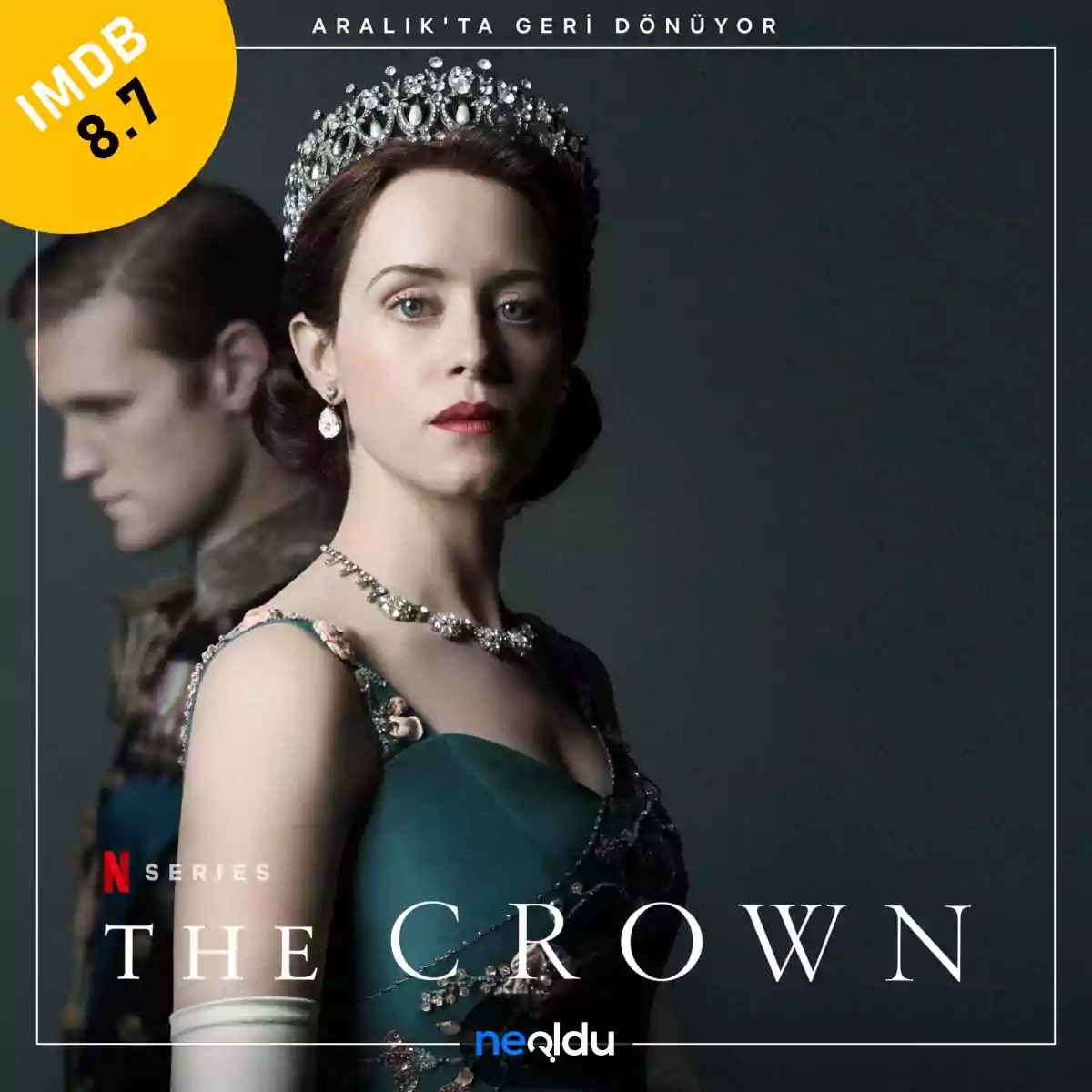
The Crown isn’t just a TV show. It’s a heavy, meticulously crafted biographical drama that dissects the British Royal Family with surgical precision. Creator Peter Morgan didn’t just recount history; he dramatized it, turning state secrets and personal grief into high-stakes television. The casting was a masterclass in longevity, shifting the mantle from Claire Foy and Matt Smith’s youthful, volatile Elizabeth and Philip to Olivia Colman’s more settled, weary monarch. It’s serious. It’s expensive. It demands your attention.
Then there’s Friends.
1994: The Shift in Pop Culture Gravity
When Friends premiered in 1994, the television landscape looked very different. We were moving away from the gritty, single-camera realism that was starting to creep in, and back toward the multi-cam sitcom tradition—but polished for a new millennium. The show didn’t try to be profound. It didn’t have a director like Morgan weaving complex political intrigue. It had six friends in New York City, a coffee shop, and a lot of awkward dating.
Why It Worked (And Why It Still Does)
The success of Friends wasn’t an accident. It was a cultural phenomenon built on relatability rather than grandeur. While The Crown deals with the fate of nations, Friends dealt with the fate of a rental agreement or who stole whose yogurt.
- The Ensemble Dynamic: Each character served as a foil to the others. Joey’s innocence clashed with Ross’s neuroticism. Monica’s control freakery balanced Rachel’s initial naivety. This chemistry wasn’t just good acting; it was structural.
- The Setting as a Character: Central Perk wasn’t just a backdrop. It was the third rail of the show. A place where problems were solved over lattes.
- Timing: It hit right as MTV culture and Gen X were coming of age. It mirrored their anxieties about careers, love, and independence without ever being preachy.
The Legacy
The Crown will always be remembered for its production value and historical weight. It’s the show you watch to feel like you’re learning something about the real world. Friends, on the other hand, changed how we consume comfort. It proved that a show about people who didn’t really do anything—no murders, no coups, just life—could dominate the globe.
You don’t watch Friends to cry. You watch it to feel okay.
And in an era where The Crown makes you anxious about the stability of institutions, maybe that’s the real difference. One is about power. The other is about people.
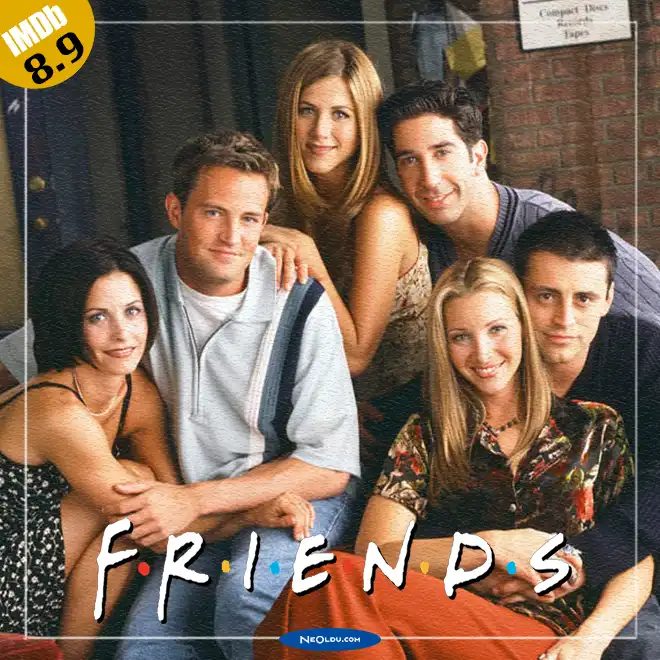
Let’s be honest for a second. Friends isn’t just a sitcom. It is a cultural artifact. A time capsule wrapped in a laugh track. Six people. A coffee shop in Greenwich Village. A whole lot of denim. Marta Kauffman and David Crane built something that feels less like scripted television and more like a memory you’re trying to convince yourself you had.
Jennifer Aniston. Courteney Cox. Matthew Perry.
The chemistry wasn’t manufactured. It felt lived-in. You could smell the stale coffee and the unspoken feelings hanging in the air of Monica’s apartment. It’s romantic comedy at its most grounded. And yet, it transcends the genre. People still quote it. People still wear Rachel Green’s haircut. Why does it stick? Maybe because it’s about the people you choose to stay with when everything else falls apart.
But we aren’t talking about Central Perk today. We’re moving on. Forward in time. Darker. Grittier.
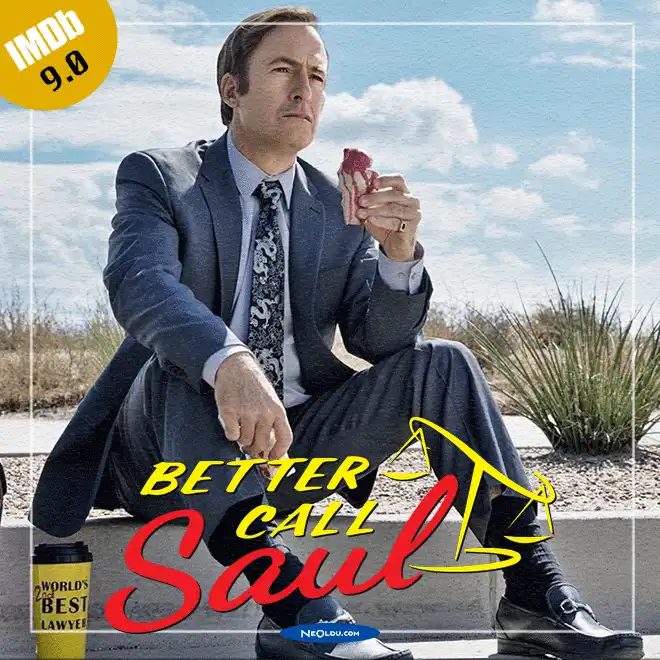
9. Better Call Saul (2015)
If Friends is a warm hug, Better Call Saul is a slow panic attack.
Premiering in 2015, Vince Gilligan and Peter Gould took the spinoff concept usually reserved for cashing in on a franchise and turned it into high art. It started as a prequel to Breaking Bad. Everyone expected it to be a cheap recap. They were wrong.
It became a character study of Jimmy McGill. A man trying to be a good lawyer in a system designed to eat good men alive. Bob Odenkirk doesn’t just act in this show. He survives it. His transformation from slumming lawyer Jimmy to the terrifying Saul Goodman is heartbreaking because you see every step. You see the choices. You see the erosion of his soul.
The cinematography is static. Deliberate. It forces you to look at the details you’d normally skip. The way Kim Wexler’s smile changes when she’s plotting. The way Mike Ehrmantraut’s eyes drop before he makes a decision.
It’s legal drama. Yes. But it’s also a tragedy about identity. Who are you when no one is watching? Who are you when everyone is?
Better Call Saul demands your patience. It doesn’t hold your hand. It lets silence do the heavy lifting. And when it lands, it hits harder than any punchline from a sitcom ever could.
The Time-Loop Trap That Rewired How We Watch TV
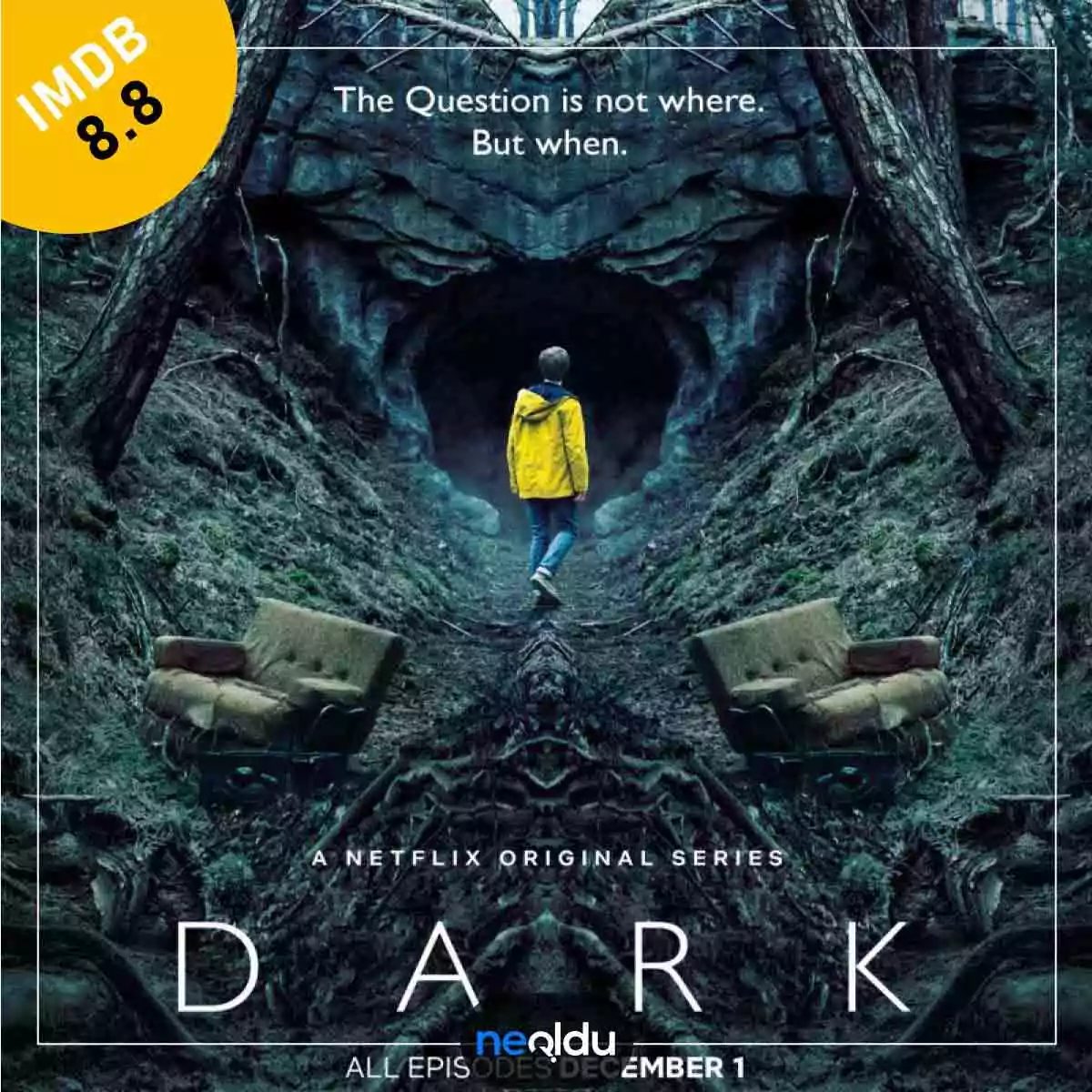
Dark isn’t just another sci-fi mystery. It’s a labyrinth.
German. Three seasons. 2017 to 2020. Created by Baran bo Odar and Jantje Friese. If you think you’ve seen every time-travel trope, this show will humble you fast.
Genre: Sci-Fi, Thriller, Drama
Creators: Baran bo Odar, Jantje Friese
Starring: Louis Hofmann, Lisa Vicari, Maja Schöne, Oliver Masucci
The town of Winden looks like postcard Germany. Forests. Fog. A cave system that hums with weird energy. But underneath the quiet, something is broken.
Four families. Missing children. A nuclear power plant that feels more like a prison. And a secret society obsessed with controlling time itself.
It starts simple. A boy vanishes. Then another. The clock ticks backward. Or forward. Or sideways. The rules are strict. Cause and effect are tangled into a knot you can’t untie without losing your mind.
Why does no one leave Winden?
Because they can’t. Not really.
The show demands attention. You need a map. You need notes. You need to pause and rewind because the dialogue moves like a clockwork mechanism. Gears click. Gears grind.
Is it about saving the world?
No. It’s about accepting it’s already over.
The family tree alone is a nightmare of incest and identity crises. Jonas Kahnwald. Martha Nielsen. Noah. Bartosz Tiedemann. They swap names. They swap faces. They swap fates.
One season, the stakes are personal. A missing kid. A father’s guilt.
By the end, it’s about the origin of time. A particle. A god. Or maybe just a very confused physicist named Tannhaus.
The cinematography is cold. Blue tones. Shadows that swallow characters whole. The score by Ben Frost and Christof Giessinger pulses like a heartbeat in an empty room.
Most shows use time travel to fix mistakes.
Dark uses it to prove you can’t.
Every choice leads to the same result. The loop closes. The family remains trapped in Winden, doomed to repeat the same grief, the same loss, the same love, over and over.
It’s bleak. It’s beautiful. It’s exhausting.
You’ll want to stop. You’ll want to walk away.
Then you’ll watch one more episode. Just one.
The truth is out there. But in Winden, the truth is a circle.
11. The Handmaid’s Tale (2017)
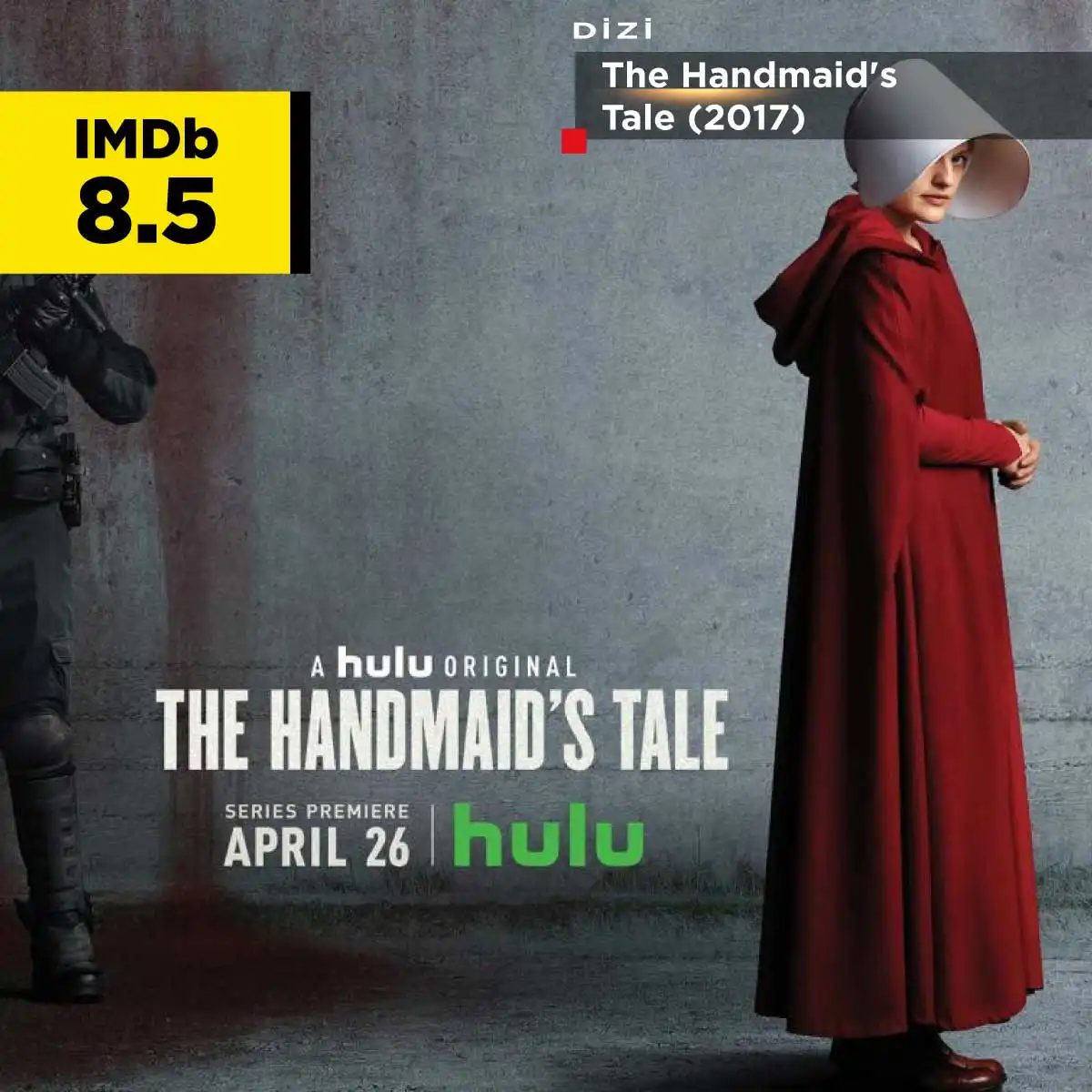
If you thought time travel was heavy, try living in a theocracy that rewrote the Constitution. The Handmaid’s Tale didn’t just arrive; it exploded onto the scene in 2017, instantly becoming the defining dystopian drama of the decade. Based on Margaret Atwood’s 1985 novel, it’s less about what happens next and more about what happens to the people who can’t say no.
Set in the Republic of Gilead, formerly the United States, the show paints a chilling picture of a society where reproductive rights have been stripped away due to widespread infertility. Women like Offred (played by Elisabeth Moss) are forced into sexual servitude as “Handmaids,” assigned to fertile commanders to bear children for the elite. It’s brutal. It’s stark. And it refuses to look away.
Key Details:
-
Genre: Dystopian Drama, Psychological Thriller
-
Creators: Bruce Miller (based on Atwood’s book)
-
Lead Actress: Elisabeth Moss
-
Notable Cast: Joseph Fiennes, Yvonne Strahovski, Ann Dowd
The visual language is as important as the dialogue. Those iconic red robes and white bonnets aren’t just costumes; they’re uniformity enforced by fear. The cinematography uses tight frames and symmetrical compositions to make you feel the characters’ entrapment. You don’t just watch Offred’s struggle; you feel the walls closing in.
Why does this still resonate years later? Because Gilead feels terrifyingly plausible. It mirrors real-world anxieties about bodily autonomy and the rollback of civil rights. The show doesn’t offer easy answers or heroic rescues. Instead, it offers a mirror. A cold, unblinking one.
“Nolite te bastardes carborundorum.” Don’t let the bastards grind you down.
Elisabeth Moss carries the emotional weight on her shoulders alone for large stretches. Her performance is a masterclass in silence. A raised eyebrow. A held breath. The show proves that you don’t need explosions to create tension. Just the quiet terror of being watched.
The secondary characters aren’t just sidekicks. They’re survivors. Moira brings rage. Aunt Lydia brings calculated cruelty. Each adds a layer to the oppression. You start to understand the mechanics of control. It’s not just about force. It’s about complicity. And fear.
The series has won multiple Emmys, including Outstanding Drama Series. But the awards don’t matter as much as the cultural conversation it sparked. It became a shorthand for resistance. A symbol. Even if some critics argue the tone is relentlessly bleak, there’s a reason people keep coming back. It’s uncomfortable. It’s necessary.
Where does it go from here? The story expands beyond Offred. We see the broader network of resistance. We see the cost of rebellion. The final seasons push further into the moral gray areas. Is survival worth the loss of self? The show asks this without providing a clean exit.
There’s no happy ending in sight. Just endurance. And the hope that someone is still fighting.
You couldn’t have asked for a better pivot point in television history. After the bleak, suffocating red light of The Handmaid’s Tale —where Margaret Atwood’s totalitarian nightmare played out under director Bruce Miller’s watchful eye, starring Elisabeth Moss as the broken-but-resilient Offred against Yvonne Strahovski’s Aunt Lydia and Joseph Fiennes’ Commander Waterford—viewers needed air. They needed space.
Enter The Mandalorian.
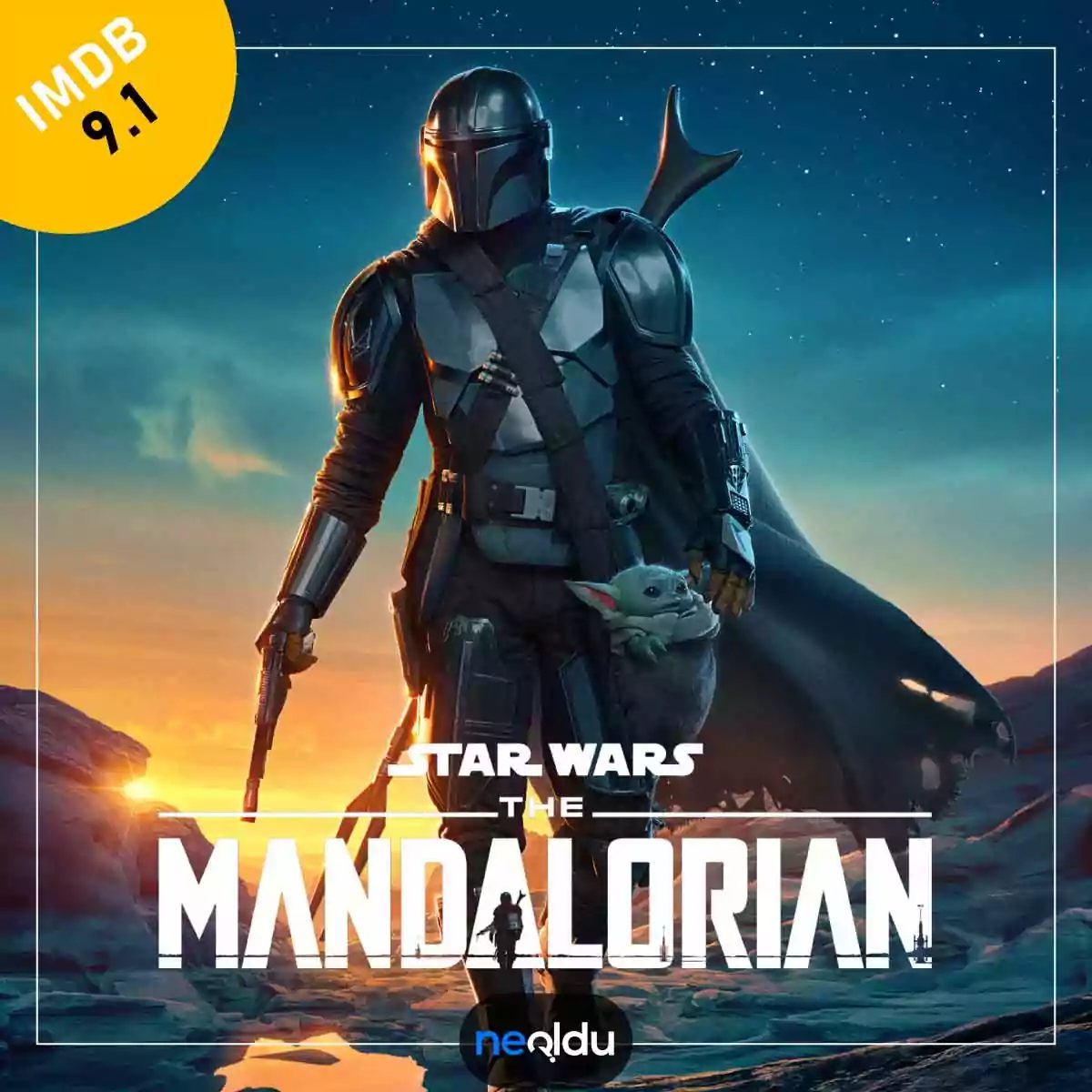
It arrived in 2019 like a freighter dropping out of hyperspace. No slow burn. No feminist allegory about bodily autonomy. Just dust, stars, and a lone figure in beskar armor. It wasn’t just another Star Wars spinoff; it was the proof that Disney’s streaming strategy could actually produce something with soul.
The Return of Practicality
Why did it work so instantly? Because it remembered what fans loved before the CGI-heavy prequels and the messy sequel trilogy. Creator Jon Favreau didn’t just borrow the aesthetic; he borrowed the feeling. The ShowTronic technology allowed for real-time virtual production on StageCraft volumes, meaning Pedro Pascal wasn’t acting against a green screen in a void. He was looking at real mountains, real skies, real environments generated in real-time.
This mattered. It grounded the sci-fi in something tactile.
- Genre: Space Western
- Creator: Jon Favreau
- Star: Pedro Pascal
It felt like an old-school serial. Episodic. Adventurous. The kind of story you used to watch on Saturday mornings, but with a budget that could buy a small country and a cinematic scope that rivaled the theatrical releases.
A Quiet Hero
Pedro Pascal’s Din Djarin wasn’t a chosen one. He wasn’t a Skywalker. He was a bounty hunter with a code, wrapped in a helmet you never saw him take off. That anonymity was the hook. You didn’t need to know his backstory to care about his mission. Especially not when that mission involved protecting The Child.
Which brings us to Baby Yoda.
Grogu. The galaxy’s most adorable distraction. He wasn’t just a merchandising goldmine (though it was exactly that). He was the emotional tether. He forced the stoic Mandalorian to soften. To care. To break his own rules. The dynamic between the gruff protector and the vulnerable child became the heart of the series, driving viewers through six episodes a season.
Filling the Void
By 2019, Star Wars was in a weird place. The theaters had given us mixed results. Fans were hungry. They didn’t want a six-hour epic every year. They wanted character studies. They wanted to see the galaxy’s underbelly, the fringe worlds, the people who lived in the shadows of the Empire’s fall.
The Mandalorian delivered that. It introduced us to a world that felt lived-in. Where ships had grease stains and characters had scars. It was a space western in the truest sense, echoing the lone rider trope but setting it against the backdrop of a dying empire.
And it changed how we watched TV. Binge-watching wasn’t the goal anymore; anticipation was. You waited for the next week. You dissected
Why House of the Dragon Dominated 2022: A Prequel That Actually Earns Its Place
If you thought the Star Wars galaxy was the only place worth watching for high-budget sci-fi and fantasy drama, 2022 proved you were wrong. House of the Dragon didn’t just join the conversation; it owned the entire cultural landscape for months. This isn’t just another show about dragons. It is a gritty, political bloodbath that answers the burning question of what happened to Targaryen family dynamics before Game of Thrones even started.
The Blood and the Boardroom
Set roughly 200 years before the events of the original series, this prequel dives deep into the Targaryen civil war known as the Dance of the Dragons. The stakes? The Iron Throne itself. One wrong move, one heated word in a war room, and entire cities burn. The showrunner, Ryan Condal, paired with co-creator George R.R. Martin to adapt the source material Fire & Blood. They managed to balance intimate family drama with massive scale action sequences that made HBO’s previous flagship look almost understated.
Who Is Actually on the Screen?
You aren’t watching random extras here. The cast reads like a who’s who of serious dramatic talent. Paddy Considine plays King Viserys I, a ruler trying to hold a fracturing empire together with sheer willpower and bad health. Matt Smith brings chaotic energy to Daemon Targaryen, the uncle who loves his nephew-kings but can’t seem to stop provoking them. Then there’s Emma D’Arcy as Rhaenyra Targaryen, the heir to the throne whose gender becomes a political liability in a patriarchal society.
The chemistry isn’t just good. It’s electric. You can feel the tension in every scene where these characters sit across a table, smiling politely while mentally calculating how best to betray each other. It’s Shakespearean intrigue with fire breathing.
Visuals That Define a Generation
Let’s talk about the dragons. For years, fans wondered if HBO could pull off CGI dragons that felt real and terrifying. They did. The designs are distinct. Vhagar is ancient and scarred. Syrax is sleek and deadly. Seeing them take to the sky in full HD doesn’t feel like watching a movie. It feels like witnessing history unfold. The choreography of aerial battles is brutal and confusing in the best way possible. You don’t know who is winning until someone gets eaten.
“The Dance of the Dragons wasn’t just a war. It was a family reunion gone horribly, fatally wrong.”
Why It Matters Now
In a landscape saturated with superhero fatigue and reboot fatigue, House of the Dragon offered something different. It offered consequence. Every character makes a choice, and every choice leads to suffering. There are no easy outs. No deus ex machina saving the day. Just raw human ambition clashing with magical power.
It’s complex. It’s messy. It demands your attention. If you missed out on watching it when it dropped, you’re missing out on one of the most significant television events of the decade. The question isn’t whether you should watch it. The question is whether you can handle the heat.
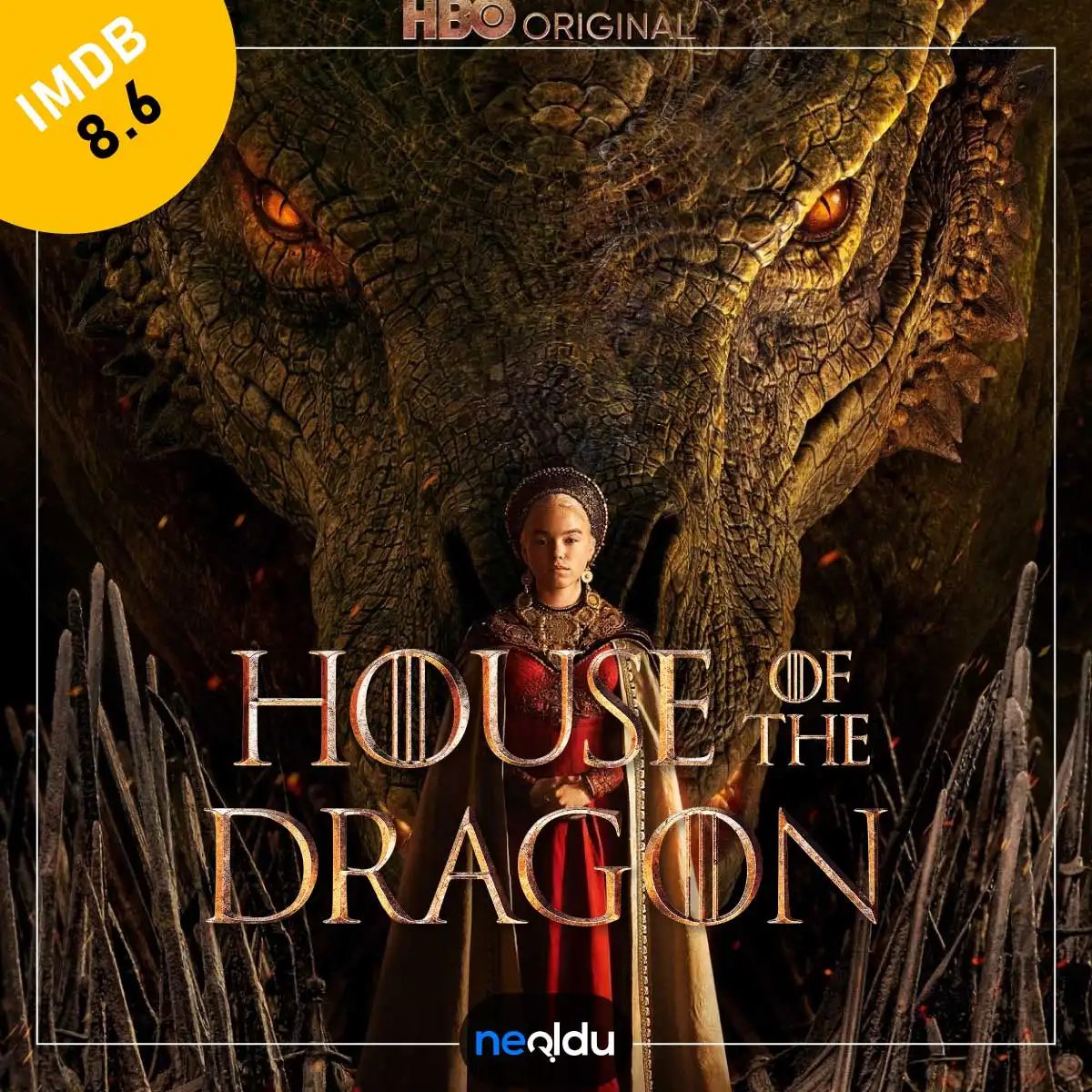
Game of Thrones’un karanlık atmosferinden uzaklaşanlar için House of the Dragon (Kızıl Ejderha), Targaryen hanedanının yükselişini ve düşüşünü anlatan tarihi bir fantastik dizi olarak karşımıza çıkıyor. Ryan Condal ve George R.R. Martin’in imzasını taşıyan bu yapım, görkemli set tasarımlarıyla ve Paddy Considine, Matt Smith ile Olivia Cooke gibi güçlü bir kadrosuyla izleyicinin beklentilerini karşılıyor. Dram ve fantastik türlerinin harmanlandığı bu evrende, soy kütükleri ve ejderhalar ön planda.
Arcane’in Animasyon Devrimi
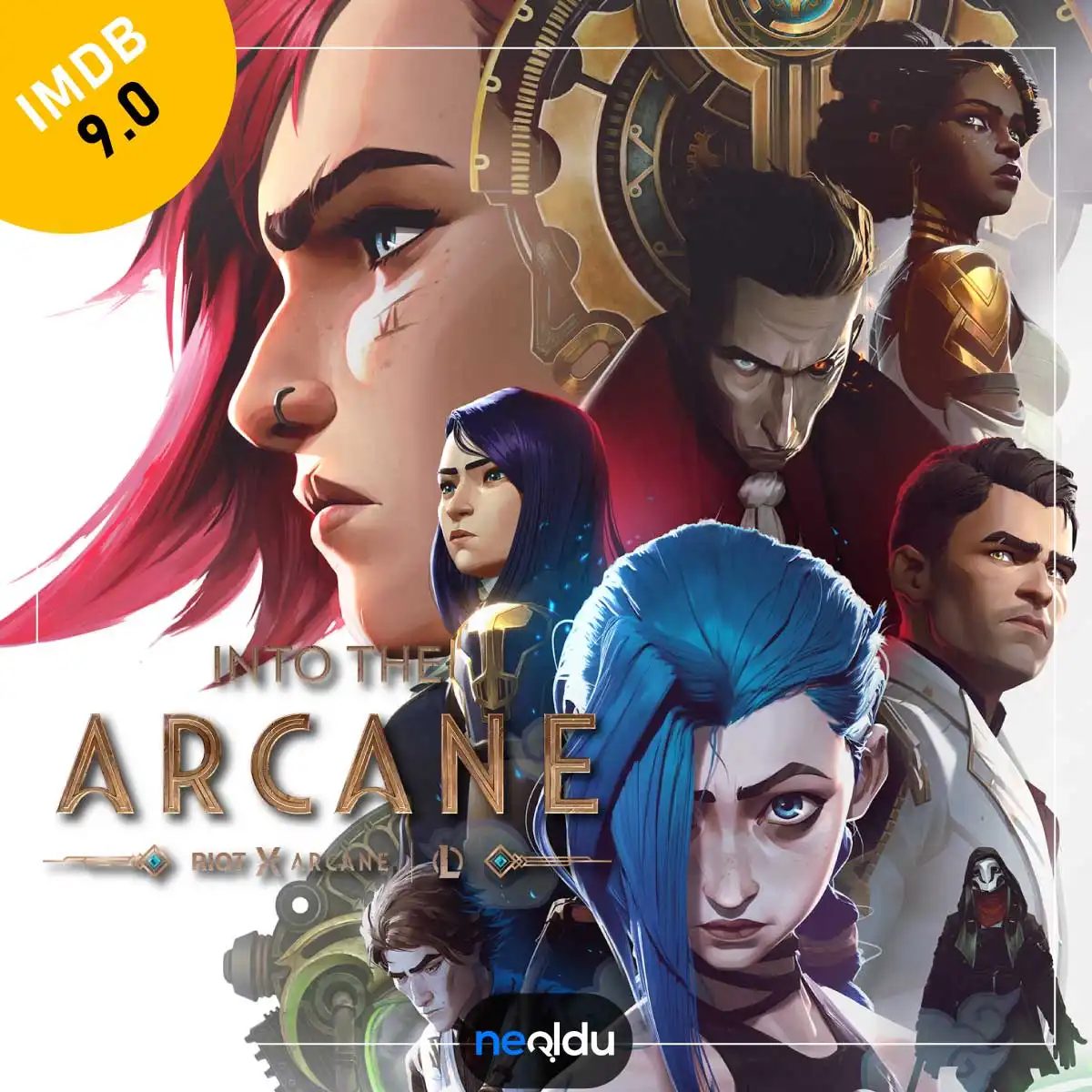
Peki, çizgi roman uyarlamaları arasında neden Arcane (2021) bu kadar konuşuluyor? League of Legends evreninden beslenen bu seri, sadece bir oyun uyarlaması değil; psikolojik derinliği olan, görsel olarak devrim niteliğinde bir animasyon başyapıtı.
Fortiche Production stüdyosu tarafından hazırlanan Arcane, Piltover ve Zaun adlı iki zıt şehri merkeze alıyor. Üst şehir Piltover’ın parlak, teknolojik ve refah içindeki havası ile alt şehir Zaun’un kirli, endüstriyel ve hayatta kalma mücadelesi veren atmosferi arasındaki çarpıcı zıtlık, hikayenin omurgasını oluşturuyor.
Karakter Derinliği ve Görsel Estetik
Serinin en büyük gücü, karakterlerin gri alanlarda yaşaması. Vi ve Powder (Jinx) gibi iki kardeşin çatışan yolları, sınıf ayrımcılığı ve aile bağlarının kırılışını anlatırken, izleyiciyi duygusal olarak yakalıyor.
- Görsel Tarz: 2D çizim ile 3D modellemenin mükemmel uyumu. Her kare bir poster gibiydi.
- Seslendirmeler: Hailee Steinfeld (Vi) ve Ella Purnell (Powder/Jinx) gibi yetenekli ses sanatçıları, karakterlerin iç dünyasını yansıtıyor.
- Temalar: Bilim ve siyasetin etik sınırları, travma ve kimlik arayışı.
“Arcane, sadece bir animasyon değil; bir dram. Oyunun mekaniklerini değil, ruhunu yakaladı.”
Neden İzlenmeli?
Eğer House of the Dragon gibi epik bir hikaye arıyorsanız ama daha modern, daha intim bir anlatım tercih ediyorsanız, Arcane tam size göre. Oyun bağımsız olarak bile güçlü bir dram sunan bu dizi, Fantasy ve Dram türlerini seven herkes için kaçırılmayacak bir deneyim. Görsel şölenin yanı sıra, müzikleri (Mackenzie Scott ve Alex Gopher) ve senaryosuyla kült olma yolunda emin adımlarla ilerliyor.
Why Ozark Became a Dark Horse Hit
If you’re looking for something that feels heavy in your chest rather than bright in your eyes, Ozark is the answer. It didn’t start with the fireworks of Arcane. It started with a whisper. A financial adviser named Martin “Marty” Byrde makes a terrible mistake. He tries to hide money for a drug cartel. The plan fails. Suddenly, he’s not just in debt. He’s in danger. So he drags his family to the Ozarks. A quiet lake town in Missouri. A place that looks peaceful but smells like rot underneath.
The show runs for four seasons. It aired from 2017 to 2022. Jason Bateman directs most of the episodes. He also stars as Marty. Julia Garner plays Ruth Lang. She steals every scene she’s in. Garner won an Emmy for it. Her performance is sharp. Cold. Unpredictable. You don’t root for her. You watch her with fear and fascination.
The Allure of Moral Decay
What makes Ozark compelling isn’t just the crime. It’s the cost. Marty wants to protect his family. He thinks he can buy his way out. He can’t. Every solution creates two new problems. The Byrdes get richer on paper. They get poorer in spirit. The show asks a simple question. How far will you go to keep the people you love safe?
The answer is: too far.
The setting matters. Lake of the Ozarks is beautiful. Pine trees. Clear water. Summer tourists. Winter is when the real story happens. The cold matches the characters. They are isolated. Trapped by their own choices. The cinematography reflects this. Lots of blues. Greys. Shadows. It feels like the weather never clears up.
Key Players and Their Downfalls
Jason Bateman plays Marty as a man slowly losing his soul. He smiles politely while doing evil things. He calculates risks like a spreadsheet. But the spreadsheet doesn’t account for human betrayal.
Julia Garner is Ruth. She starts as a minor player. A young woman with a criminal record. She becomes Marty’s right hand. Then his partner. Then his liability. Her arc is the show’s backbone. Without her, the Byrdes collapse faster.
Laura Linney plays Wendy Byrde. She starts as the voice of reason. Then she becomes the strategist. She learns to play the game better than the cartel. By season three, she’s the one making the calls. Her transformation is subtle. Terrifying.
Lisa Emery as Darlene Snodgrass adds dark humor. She’s a local. Connected to everything. She knows where the bodies are buried. Literally. Her presence reminds us that outsiders don’t belong here. The locals always win in the end.
How It Compares to Other Crime Dramas
Ozark borrows from Breaking Bad. Both shows feature ordinary men who descend into crime. But Marty Byrde is different. Walter White wanted power. Marty just wants survival. He’s more passive. More reactive. This makes him harder to like. Easier to pity.
The pacing is different too. Breaking Bad was fast. Explosive. Ozark is slow. Method

True Detective (2014)
Jason Bateman didn’t just play the guy who gets dirty; he played the guy trying to keep his family from getting buried. Ozark walked that line between financial advisor and criminal mastermind with a steady, dark pulse. It wasn’t just crime. It was survival wrapped in dark humor and drama.
The Anatomy of a Crime Drama
When you look at the mechanics of Ozark, you’re looking at a tightly wound spring. The series, created by Bill Dubuque and directed by Mark Williams, didn’t rely on explosions. It relied on tension. Every conversation was a potential landmine.
The cast anchored this high-wire act. Jason Bateman brought that quiet, desperate intensity to Marty Byrde. He wasn’t a hero. He was a man trying to outrun his own bad decisions. Laura Linney matched him step for step as Wendy Byrde, showing how easily a suburban mom can become a partner in crime. And then there’s Julia Garner as Ruth Langmore. She stole scenes with every glance, every threat.
Why It Worked
It’s easy to say Ozark was successful. But why did it stick? The answer lies in its refusal to glorify the criminal life. There were no cool parties. No glamorous gangsters. Just the grim reality of money laundering and the constant fear of being caught.
The show asked a simple question: How far would you go to keep the people you love safe? For Marty Byrde, the answer was “everything.” For the audience, the answer was “we wouldn’t.” That disconnect created the show’s unique brand of anxiety.
Comparing the Greats
Some fans argue True Detective (2014) holds the crown for atmospheric crime storytelling. And they have a point. The Southern gothic mood, the philosophical dialogues, the sheer weight of time passing—it’s a different beast. But Ozark offered something else. It was a family drama disguised as a crime thriller.
True Detective felt like a novel you couldn’t put down. Ozark felt like a live wire. One was about the past haunting the present. The other was about the present destroying the future.
The Legacy
Years later, when people talk about prestige television, Ozark is always in the room. It proved that you didn’t need superheroes or fantasy worlds to captivate millions. You just needed a good problem and a family willing to make bad choices to solve it.
The final season left many questions unanswered. Some fans felt cheated. Others felt relieved. The Byrde family’s fate remains a topic of heated debate. Is it a tragedy? A victory? Or just another Tuesday in the criminal underworld?
What’s your take?
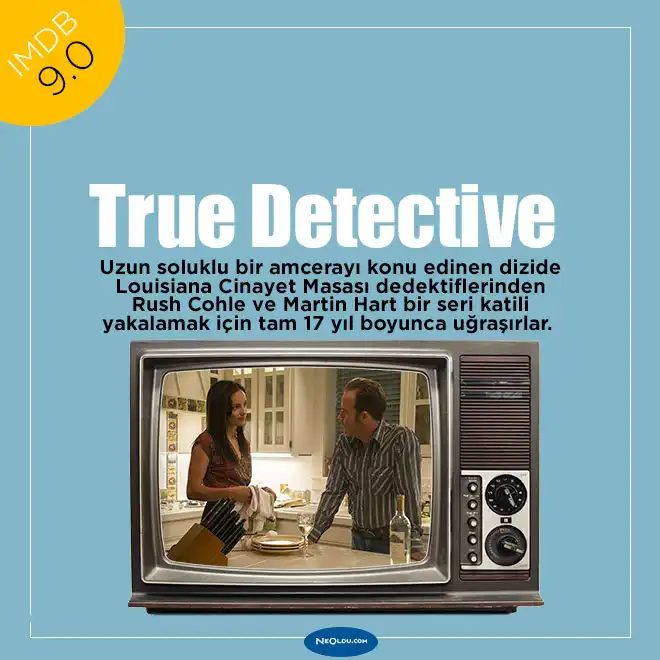
True Detective zaten güçlü bir antoloji formatıyla övülüyordu, ama Fargo (2014) onu geride bırakacak kadar cesur bir hamle yaptı. Bu dizi, Joel ve Ethan Coen’in 1996 tarihli ikonik filminin ruhunu korurken, o kara mizahı ve tırmanan şiddeti televizyon ekranına taşıdı. Tek bir sezonun ardından büyük bir başarı yakalayan Fargo, her bölümünde bağımsız ama aynı evrende geçen hikayeleriyle izleyiciyi şaşırtmayı başardı.
- Tür: Kara Mizah, Suç, Dram
- Yaratıcılar: Noah Hawley
- İlham Kaynağı: Coen Kardeşleri’nin 1996 filmi Fargo
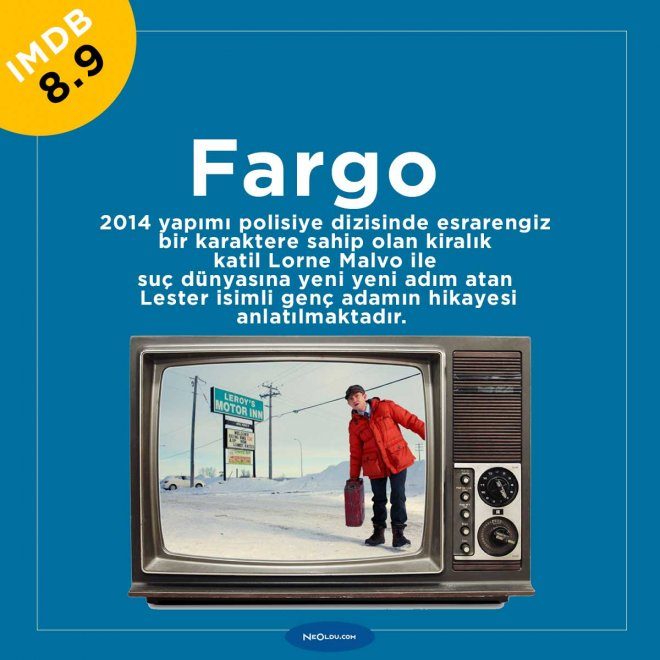
İlk sezonun kahramanı Molly Solverson (Michelle Dockery), şefine göre “küçük bir kasabadaki” bir dedektif. Ama olaylar hızla büyüklüyor. Yerel suç örgütü lideri Lorne Malvo (Billy Bob Thornton), bu sakin Minnesota atmosferine soktuğu kaotik enerjiyle her şeyi altüst ediyor. Billy Bob Thornton’un canlandırdığı Malvo, modern televizyon tarihinin en rahatsız edici ve akılda kalıcı kötü karakterlerinden biri haline geldi. Sadece kötü değil, aynı zamanda inanılmaz derecede zeki ve öngörülemez.
“Fargo, suç dünyasının kirli işlerini masumane yüzlerle ve buzlu manzaralarla maskeleyen bir dizi.”
İkinci sezon ise tamamen farklı bir zaman dilimine, 1979’a atlıyor. Burada Gus Grimly (Martin Freeman), sakin bir polis memidinden beklenmedik bir suçun ortasında bulur. Yanında Lorne Malvo gibi eski bir karakterle karşılaşmasa da, temalar aynı: Amerikan rüyasının karartı yüzü. Martin Freeman’ın performansı, fiziksel komedinin derin psikolojik gerilimle nasıl harmanlanabileceğini gösterdi.
Üçüncü sezon ise 1950’lerin Kansas City ’ye uzanıyor. Sy Fouchon (Ewan McGregor) ve Loy Cannon (Ewan McGregor’in ikiz kardeşi gibi düşünebileceğiniz bir karakter, aslında Ewan McGregor çift rol yapıyor) arasındaki rekabet, gangster filmlerinin klasiklerini andırıyor ama modern bir dokunuşla. Bu sezon, Nevada ’dan Kansas ’a uzanan bir suç imparatorluğu inşasını anlatırken, ırkçılık ve aile bağları temalarını da işledi.
Her sezon farklı bir zaman, farklı bir karakter ve farklı bir suç hikayesi sunuyor. Bu antoloji yapısı, izleyiciyi her seferinde yeni bir dünyaya atmaya devam ediyor. Fargo, sadece bir suç draması değil, aynı zamanda Amerikan toplumunun farklı dönemlerindeki korkularını
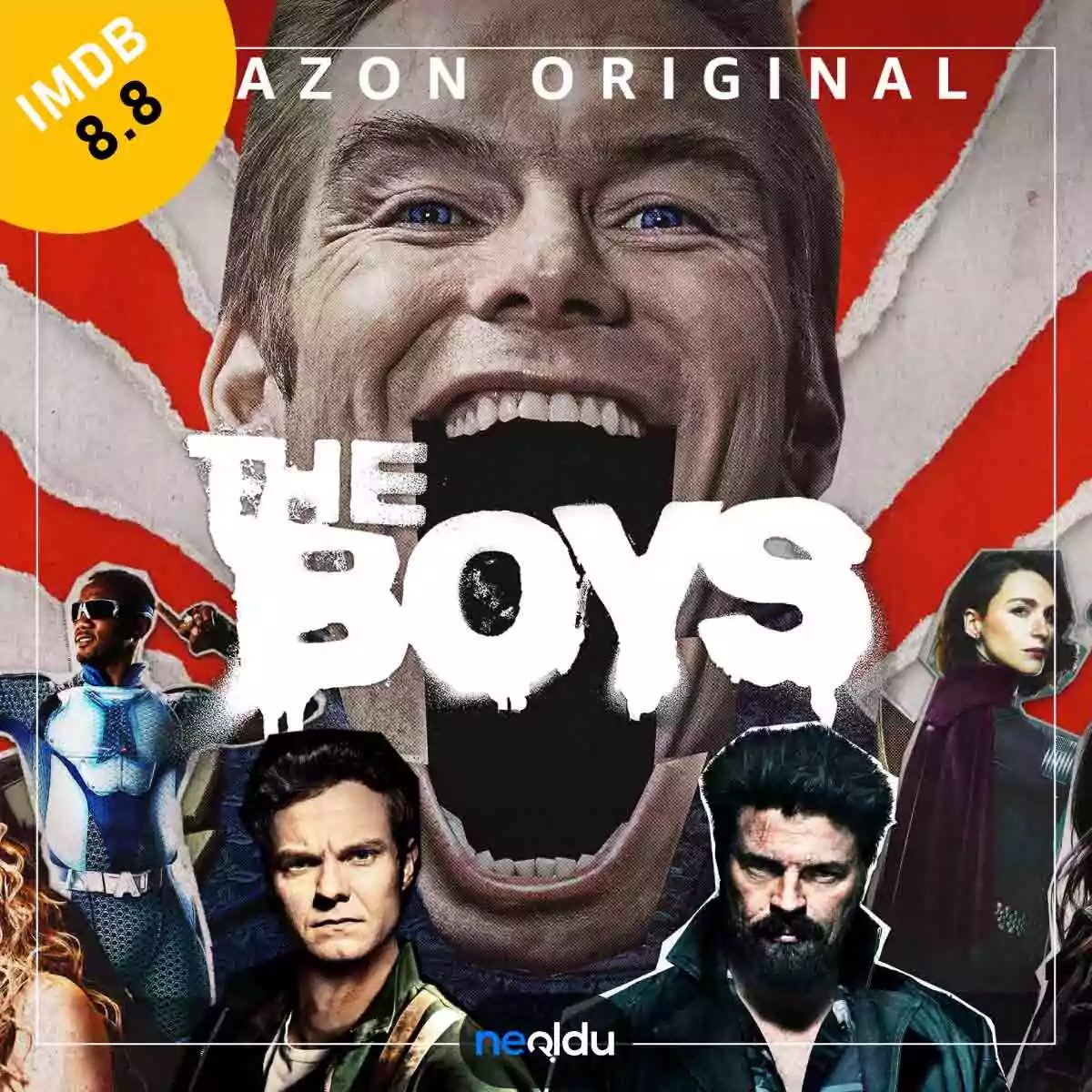
Supergirl’ün pembe hayallerini unutun. Amazon’un The Boys (2019), süper kahraman türünün üzerine kurulmuş en kirli, en keskin ve en kahkahalı eleştirilerden biri. Dizi, orijinal Garth Ennis ve Darick Robertson çizgi romanına sadık kalarak, eğer süper güçlere sahip olanlar aslında çocukluk travmaları, egobozgunluğu ve kurumsal açgözlülükle şekillenen narsistlerse, dünya nasıl bir hale gelir sorusunu soruyor.
Tür: Aksiyon, Karakomedi, Süper Kahraman Eleştirisi
Yaratıcı: Eric Kripke
Neden farklı duruyor?
Çoğu MCU filmi veya DC serisi gibi The Boys da evrensel bir tehdide karşı savaşan karakterleri merkeze alıyor. Fark, burada kahramanların kurtarıcı değil, aslında ana sorun olduğu gerçeğinde yatıyor. Vought International adlı devasa bir medya ve silahlı şirket, halkı kandırarak kendi kahramanlarını (Supes) lüks bir yaşam tarzına ve devasa kararlara dönüştürüyor.
Bu dinamik, izleyiciye “nasıl” bir şey sunduğundan ziyade, “neden” böyle bir dünyada yaşadığımıza dair rahatsız edici bir ayna tutuyor.
Ana Karakterler ve Dinamikler
- Billy Butcher: Sert, karanlık ve intikam hırsıyla yanıp tutuşan birisi. Eşi Homelander tarafından öldürüldüğünden beri, tüm süper kahramanları yok etmeyi hedefliyor.
- Hughie Campbell: Sıradan bir adam. Arkadaşı tarafından yanlışlıkla öldürülmesi, hayatını altüst ediyor ve Butcher’ın ekibine katılmaya zorlanıyor.
- The Boys: Butcher, Hughie, Frenchie, Kimiko ve MM’dan oluşan bu ekip, Vought’un gizlediği karanlık sırları gün yüzüne çıkarmaya çalışıyor.
Homelander: Modern Zamanın Süper Yıldızı
Jensen Ackles’ın canlandırdığı Homelander, dizinin en etkileyici ve korkutucu karakteri. Süper güçlere sahip olması, onu ahlaki bir referans noktası yapmıyor. Aksine, o bir propaganda figürü. Halkın sevgisini, güvenini ve korkusunu manipüle ederek kendi iktidarını sürdürüyor. Bu karakter, süper kahraman filmlerindeki “ideal lider” imajını nasıl boşaltıp, yerine bir diktatör psikopatı koyabileceğimizi gösteren parlak bir örnek.
Görsel Stil ve Ton
Dizinin vizyonu, Netflix’teki daha yumuşak superhero içeriklerinden radikal bir kopuş. Kan, şiddet ve cinsel içerik açıkça sunuluyor. Bu, sadece şok etmek için değil, karakterlerin ahlaki çök
Why Black Mirror Remains the Gold Standard for Tech Horror
If The Boys deconstructs the superhero mythos with blood and sarcasm, Black Mirror dissects our collective anxiety about technology with cold, surgical precision. Since its debut in 2011, this anthology series has become the go-to reference for anyone trying to articulate why their smartphone feels like a leash. It’s not just about gadgets; it’s about the social and psychological consequences of living in a world where convenience always comes at the cost of privacy or sanity.
The show’s format is deceptively simple. No recurring characters. No continuous plot threads. Instead, you get standalone episodes that range from darkly comic to outright terrifying. Some stories feel like sci-fi thrillers. Others read like cautionary tales for the present day. The tone shifts constantly, but the underlying question remains the same: How much of our humanity are we willing to sacrifice for digital connection?
The Anthology That Defined a Generation’s Dread
What makes Black Mirror stand out in the crowded landscape of speculative fiction is its refusal to offer easy answers. Creator Charlie Brooker didn’t set out to predict the future. He was exploring the unintended consequences of innovation. The result is a collection of episodes that hit closer to home than any traditional monster movie ever could.
Consider the early standout, “The Entire History of You.” It introduces a world where people can record, review, and replay their memories. Sounds helpful, right? Until you see how it destroys relationships and fuels obsessive paranoia. Or take “Nosedive,” a satirical look at a society where every social interaction is rated on a five-star scale. It’s a funny premise until you realize how easily it mirrors the influencer culture we navigate daily.
These aren’t distant fantasies. They’re exaggerated reflections of our current reality. The show forces viewers to confront their own complicity in surveillance capitalism and performative living. It’s uncomfortable because it’s true.
Key Episodes That Sparked Global Conversations
While every episode adds to the anthology’s legacy, a few have transcended the screen to become cultural touchstones for discussions on digital ethics and social media toxicity.
-
“White Christmas” : Perhaps the most emotionally devastating entry. It explores consciousness uploading and digital prisons. The twist isn’t just in the plot; it’s in the realization that we might be creating our own personal hells through isolation and cruelty.
-
“USS Callister” : A direct critique of toxic masculinity and the gaming community’s entitlement. It uses a Star Trek parody to expose how some men view virtual worlds as spaces where they can act out fantasies without consequence.
-
“Hang the DJ” : A rare bright spot. It looks at algorithmic dating apps and whether free will exists when love is optimized by code. It’s one of the few episodes that offers a hopeful, if bittersweet, resolution.
Where to Start and Why It Matters Now
For new viewers, the order of episodes matters less than the willingness to sit with discomfort. The show doesn’t hold your hand. It drops you into scenarios where the technology is mundane, but the implications are extreme. This grounding in the everyday is what makes it so effective as a tool for understanding modern surveillance and data privacy.
The series has also influenced how we talk about tech in broader media. From *Sever
Why Black Mirror’s ‘Chernobyl’ Is a Standout Episode in the Series
When you think of Black Mirror, you probably picture sterile white rooms, glowing screens, and the quiet dread of digital surveillance. You don’t expect a nuclear disaster. Yet, the episode titled “San Junipero” or “White Christmas” might come to mind first. But there is one entry that feels less like a tech thriller and more like a historical horror story. It’s the episode often confused with, or mistakenly associated with, the HBO miniseries Chernobyl.
Wait. Let’s clear up a massive misconception right now. There is no Black Mirror episode called “Chernobyl.” The HBO series Chernobyl, directed by Johan Renck and written by Craig Mazin, is a separate, critically acclaimed drama about the 1986 nuclear disaster. It stars Jared Harris, Stellan Skarsgård, and Emily Watson. It is not part of Charlie Brooker’s anthology.
However, if you are looking for the Black Mirror episode that deals with nuclear themes, radiation, and the terrifying intersection of technology and state secrecy, you are likely thinking of “Hated in the Nation” or perhaps misremembering the visceral horror of “Metalhead” or the dystopian control in “Fifteen Million Merits.” But there is another possibility. Did you mean “Fifteen Million Merits”? Or perhaps “The Entire History of You”?
Actually, let’s look closer at the premise. Many fans conflate the two because Chernobyl (HBO) explores how technology and information control can lead to catastrophe, a core theme of Black Mirror. The HBO show details how the Soviet Union’s reliance on flawed technology and bureaucratic denial led to one of the worst nuclear disasters in history.
If you are specifically searching for a Black Mirror episode with similar themes of systemic failure and technological hubris, consider “Hang the DJ”? No. “Nosedive”? No. The episode that best captures the feeling of inevitable doom caused by a system you cannot understand is “USS Callister”. No, that’s more personal.
Let’s pivot. Perhaps you are looking for the episode “Shut Up and Dance”. It involves surveillance and blackmail. Not nuclear.
Okay, let’s address the confusion directly. The HBO series Chernobyl is not on Netflix’s Black Mirror. It is a standalone five-part miniseries. If you saw an article linking “Black Mirror” and “Chernobyl,” it was likely a comparative piece analyzing how both works depict the failure of institutions in the face of technological crisis.
For fans of Black Mirror who want that same level of intense, reality-bending dread, here are the episodes that match the gravity of the Chernobyl disaster:
- “Fifteen Million Merits” : A dystopian society where movement generates energy. It critiques commodification and surveillance.
- “The Entire History of You” : Explores memory recording and the inability to forget. The psychological damage is nuclear in scale.
- “White Christmas” : Introduces the concept of digital consciousness imprisonment. The ethical implications are as catastrophic as a meltdown.
If you are actually looking for the HBO *Chernobyl
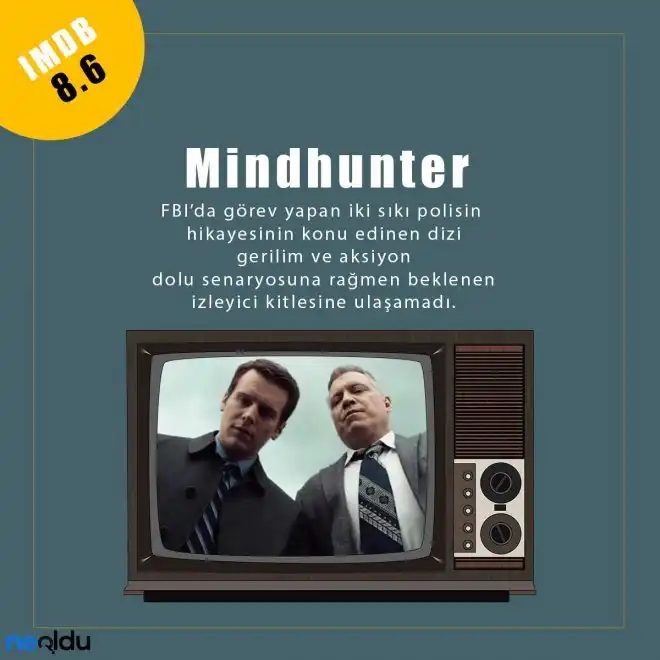
David Fincher’s Mindhunter (2017) is not just a crime drama. It’s a psychological excavation. Based on John Douglas and Mark Olshaker’s book Mindhunter: Inside the FBI’s Elite Serial Crime Unit, the series traces the birth of criminal profiling in the late 1970s. The tone is clinical, cold, and deeply unsettling.
- Tür: Crime, Drama, Biographical
- Yönetmen: David Fincher (among others)
- Oyuncular: Jonathan Groff, Holt McCallany, Anna Torv
- Yayın Tarihi: 2017 (Netflix)
The show asks a disturbing question: How do you understand a monster? You don’t run from them. You sit down. You ask questions.
Holt McCallany plays Bill Tench, a veteran agent who pushes for a radical idea. Instead of chasing clues after the murder, why not study the killers themselves? He partners with Holden Ford (Jonathan Groff), a young, ambitious agent eager to apply psychology to law enforcement. Their mission takes them into the prisons of the American South.
They interview convicted murderers. Ed Kemmer. Richard Speck. Alton Coleman. These are not fictional characters. These are real men with real crimes. The dialogue is sparse but heavy. Every pause feels like a trap.
The visuals match the subject matter. Fincher uses a muted color palette. Greens and browns dominate. The framing is often symmetrical, creating a sense of order that contradicts the chaos of the crimes being discussed. There is no dramatic music swelling in the background. Just the hum of fluorescent lights and the scratch of a pen.
“We have to learn the language of these people.” – Holden Ford
This approach was groundbreaking at the time. Today, behavioral science units are standard in law enforcement. In the 1970s, they were laughed out of the room. The series captures that friction. The older agents distrust the new methods. The younger agents trust data over gut instinct. It’s a clash of eras.
The series is divided into two seasons. Season 1 covers the initial development of the Behavioral Science Unit (BSU) at the FBI Academy in Quantico. Season 2 shifts focus to the Atlanta child murders. The tone changes slightly. The urgency increases. The psychological toll on the agents becomes impossible to ignore.
Jonathan Groff delivers a performance that is both intense and fragile. Holden Ford is brilliant but socially awkward. He sees the world in patterns. This makes him effective at his job but dangerous in his personal life. The show does not glorify him. It shows the cost of looking into the abyss.
Holt McCallany is equally compelling as Bill Tench. He is a family man with a complicated past. His willingness to engage with psychopaths reveals his own demons. The relationship between Ford and Tench is the emotional core of the series. It is not a buddy cop dynamic. It is a mentorship built on mutual respect and shared trauma.
The series has been renewed for a third season. Fans have been waiting. David Fincher has confirmed his involvement. The question is not if it will happen, but when. The delay has
Joe Penhall’ın Mindhunter ’ında FBI’ın davetsiz misafir olarak girdiği o karanlık odaları hatırlayanlar için Peaky Blinders farklı bir tür huzursuzluğu sunar. Burada psikolojik derinlik, ofislerdeki beyaz tahtalar yerine tozlu sokaklarda ve kanlı ceketlerde saklı. Bu dizi, BBC’nin İngiltere’deki suç dramı başyapıtlarından biri olarak kabul ediliyor ve izleyiciyi 1920’lerin Birmingham’ının sisli sokaklarına çekiyor.
Tarihsel Arka Plan ve Karakter Dinamiği
Dizinin merkezinde Tommy Shelby var. Cillian Murphy ’ün canlandırdığı bu karakter, I. Dünya Savaşı’nın travmatik izlerini taşıyan bir askerden, şehrin en güçlü gangster liderine dönüşüyor. Onun ailesi, yani Shelby ailesi, Birmingham’ın çilesiyle şekilleniyor. Dizinin diğer önemli ismi Sam Neill ise, Tommy’nin siyasi ve ticari rakiplerini temsil ediyor. Bu ikili arasındaki gerilim, dizi boyunca izleyiciyi nefes nefese bırakıyor.
Görsel Anlatım ve Müzik Seçimi
Dizinin estetiği, modern bir bakışla geçmişe dönük bir perspektif sunuyor. Reggae ve rock müziğin 1920’lerin atmosferine entegre edilmesi, bu dönemin sertliğini ve dinamiklerini yansıtıyor. Yönetmenlik ve prodüksiyon kalitesi, dizinin sadece bir suç hikayesi olmadığını, aynı zamanda bir aile dramı ve tarihi bir gözlem olduğunu vurguluyor.
Neden Peaky Blinders İzlenmeli?
Dizi, sadece şiddet ve suç örgütleri hakkında değil, aynı zamanda güç, sadakat ve ihanet üzerine de konuşuyor. Tommy Shelby’nin karakter gelişimi, izleyiciyi sürekli şaşırtıyor. Bir yandan ailesini korumaya çalışırken, diğer yandan İngiltere’nin siyasi elitleriyle dans ediyor. Bu denge, diziyi diğer suç dizilerinden ayıran temel özelliklerden biri.
Başrol Oyuncular ve Etkileri
Cillian Murphy ’ün performansı, dizinin en güçlü yanı. Tommy Shelby’nin soğukkanlılığı ve içsel çatışmaları, izleyiciyi karakterin zihnine çekiyor. Helen McCrory ’ün Polly Gray karakteri de, Shelby ailesinin gizli gücü olarak öne çıkıyor. Bu ikili, dizinin duygusal çekirdeğini oluşturuyor.
Dizi, her sezon daha derinleşen bir hikaye anlatımıyla izleyiciyi etkiliyor. Suç, politik ve ailevi unsurların mükemmel bir uyum içinde işlendiği Peaky Blinders, sadece bir eğlence aracı değil, aynı zamanda tarihsel ve psikolojik bir keşif alanı.
Sonuç Yerine
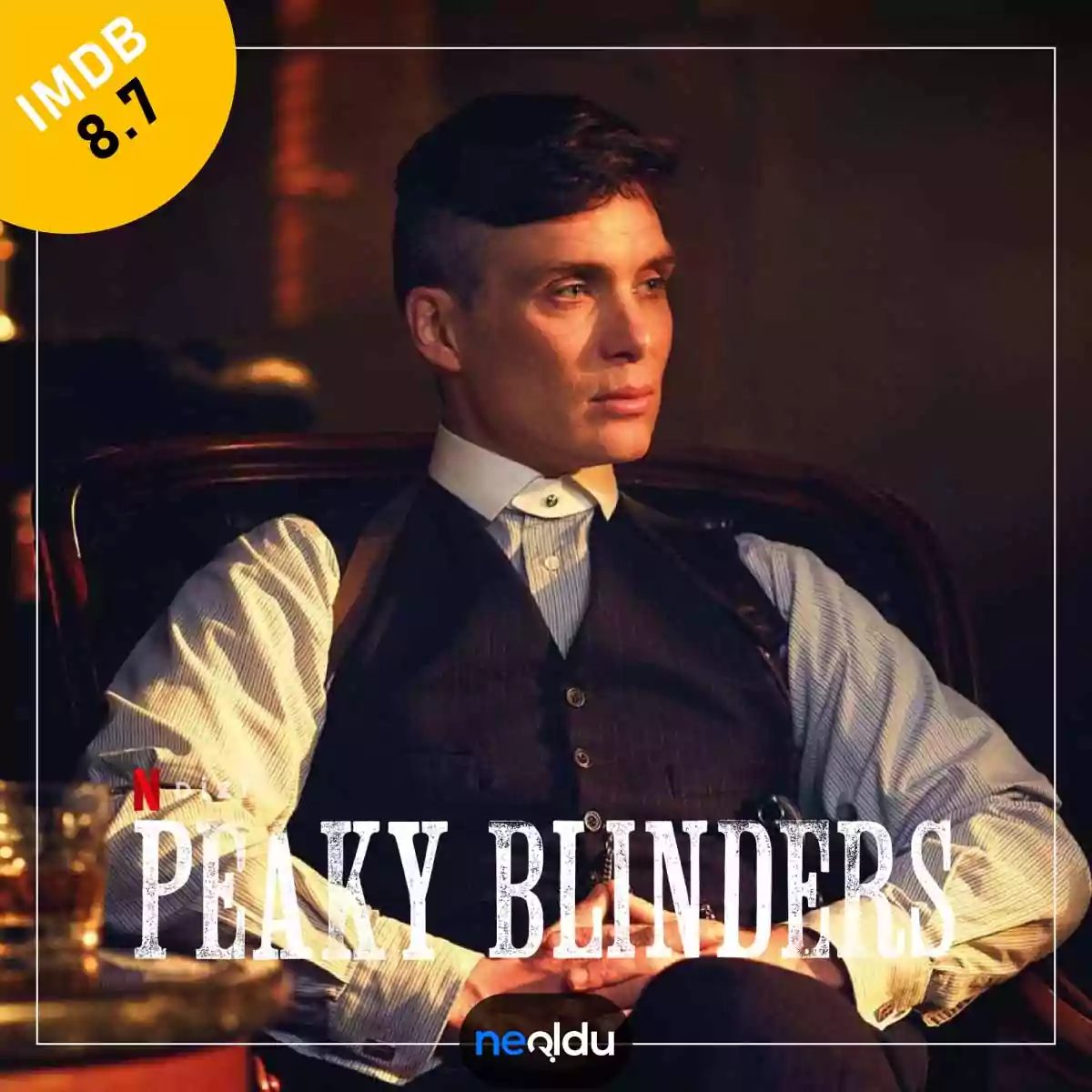
Why Peaky Blinders Still Commands the Screen
If you are looking for why Peaky Blinders has maintained such a fierce grip on pop culture since its premiere, it comes down to atmosphere. Set in 1920s England, the show isn’t just about a crime gang. It is about the aftermath of the Great War, the grit of Birmingham, and the sheer will of the Shelbys. The stylized visuals do heavy lifting here. Every frame looks like a painting, but a dark, moody one. You feel the rain. You hear the factory sirens.
Steven Knight created this world. He didn’t just write the script; he built the tone. The result is a crime drama that feels more like a psychological thriller wrapped in a period piece.
The Cast That Defines the Era
At the center is Cillian Murphy as Tommy Shelby. He doesn’t just act; he inhabits the character with a cold precision that is terrifying to watch. Paul Anderson brings chaos as Arthur, while Helen McCrory is formidable as Polly. Their dynamic drives the narrative forward. It isn’t just about turf wars. It is about family loyalty tested by violence and ambition.
The show blends genres effortlessly. It is a crime story, yes. But it is equally a drama about trauma, power, and identity. Critics and fans alike have praised the way it handles these heavy themes without becoming preachy. The storytelling pulls you in. You start watching for the plot. You stay for the character studies.
Where to Start and Why It Matters
For those wondering how to approach the series, the order is straightforward. The chronology matches the release order. Each season deepens the lore. The early episodes establish the rules of this world. Later ones shatter them. There is no need to skip around. The buildup is essential.
The cultural impact extends beyond the screen. The “Peaky Blinders” look has influenced fashion. The music choices have introduced newer generations to classic rock and folk. It is a phenomenon that refuses to fade.
“The show captures the spirit of a post-war Britain that is both beautiful and brutal.”
If you haven’t started yet, where do you begin? The first season sets the stage. It is gritty. It is fast. It hooks you immediately. The question isn’t whether you should watch it. It’s whether you can handle the intensity. The Shelby family doesn’t ask permission. They take what they want.