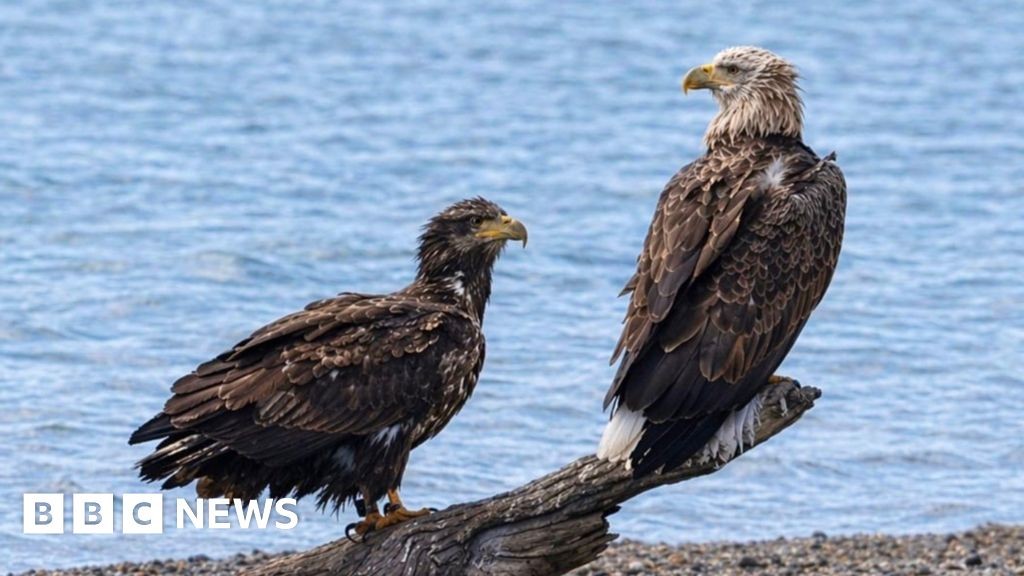
The skies over Christchurch and the surrounding Dorset coast are witnessing a rare biological milestone: the return of the white-tailed eagle. Once driven to extinction in the United Kingdom in the early 20th century due to persecution and habitat loss, these majestic raptors are now making a tentative but significant comeback.
This resurgence is not accidental. It is the result of a coordinated reintroduction programme led by the Roy Dennis Wildlife Foundation, primarily based on the Isle of Wight. The appearance of a breeding pair in Dorset marks a pivotal moment in this effort, signaling that the species is not just surviving in captivity or limited release zones, but establishing itself in the wild across new territories.
A 240-Year Wait Ends
The significance of this development cannot be overstated. For two and a quarter centuries, the UK had been without wild-fledged white-tailed eagles. The male of the current pair in Dorset is the first to fledge in the wild in the region in 240 years.
This achievement highlights a critical trend in modern conservation: the successful transition from captive breeding and release to self-sustaining wild populations. When a bird hatches and survives in the wild, it proves that the ecosystem can support the species and that the reintroduction strategy is working beyond controlled environments.
The Human Connection: Patience and Passion
The return of these birds has captivated local communities, turning birdwatching into a dedicated pursuit for enthusiasts. The sheer size of the white-tailed eagle—the UK’s largest bird of prey, with a wingspan reaching up to 2.5 meters—makes them a spectacular sight, but spotting them requires patience and expertise.
Lewis Slavin, a photographer and avid birdwatcher from Yeovil, exemplifies the dedication this return demands. He travels more than an hour from his home in Somerset four times a week to catch a glimpse of the pair.
“It’s great to see them and they’re wild, so it’s even better. They’re out there doing their thing, and to know that this pair down here is a mating pair just tops it off for everybody, really.”
Slavin’s experience underscores a key aspect of wildlife conservation: public engagement. Seeing these birds behave naturally—as a mating pair doing “their thing”—reinforces the tangible success of conservation efforts for the public, transforming abstract policy into visible, living reality.
Reading the Signs
Spotting white-tailed eagles is often less