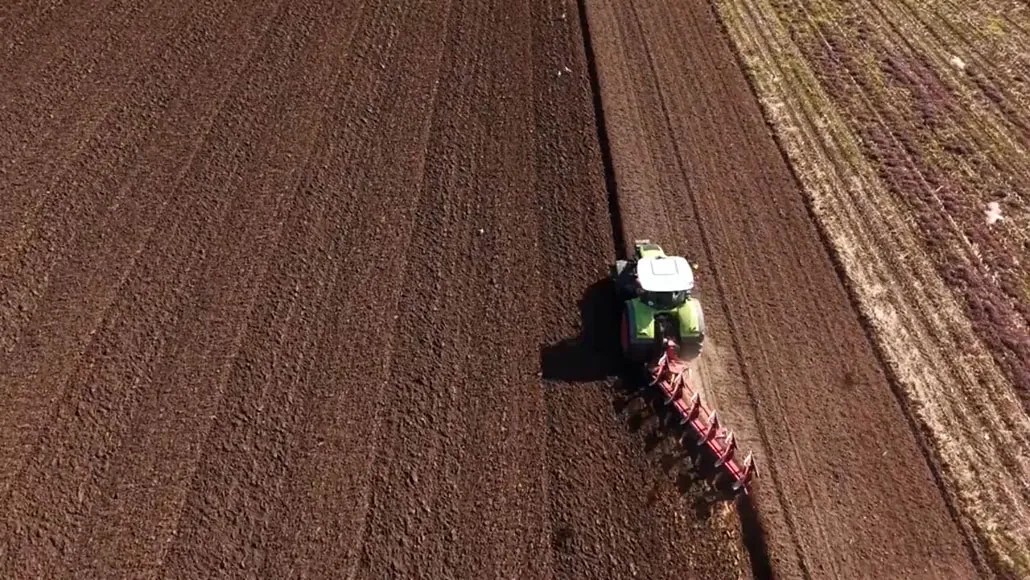
The title says deep plowing does more harm than good. But the text below? It’s just a glossary. 🤔
We have definitions for arrays. Blood vessels. Capillary action.
It lists words like drought and earthquake. It defines liquefaction. The process where soil turns soft under shaking. A sudden loss of strength. The ground becomes less than a firm platform. Buildings might crumble.
Wait.
This isn’t an article about farming damage. It’s a word list. Probably for a science class. Maybe related to seismology? The science of earthquakes? Or agriculture? There are definitions for crops. Nutrients. Soil moisture.
The connection is thin. Thin as air.
Why define computer program alongside percolate? Percolation is liquid moving through a filter. Porous material. Soil is porous. It has pores. Tiny holes.
Capillary action explains how spones wick up liquids.
Same idea. The soil holds moisture. The molecules stick together. They pull each other along.
Is there a story here? About farmers plowing deep during droughts? Disrupting the natural order?
Maybe. But the provided text doesn’t tell that story. It only gives you the bricks. No mortar.
- Array
- Blood vessel
- Crop
It goes on. And on. Sensors monitor the changes. Arrays collect information. Networks connect people. Or data.
Did someone copy the wrong file? Did the editor send us a lexicon instead of an analysis?
Or is the point that without understanding the basics—like what gravity or a molecule actually is—we can’t grasp why tilling might destroy soil resilience?
Resilience means bouncing back. Springing back to shape.
Soil loses that when it’s too wet. Or when it’s shaken. Or maybe when we pull it apart with heavy machinery.
But this text won’t tell us which. It just defines the tools.
The term can even apply to range of options or choices
That’s what array means. Here’s an array of words. Nothing else.
Do you see the pattern? Or are we just waiting for the actual article?