It is getting worse. Fast.
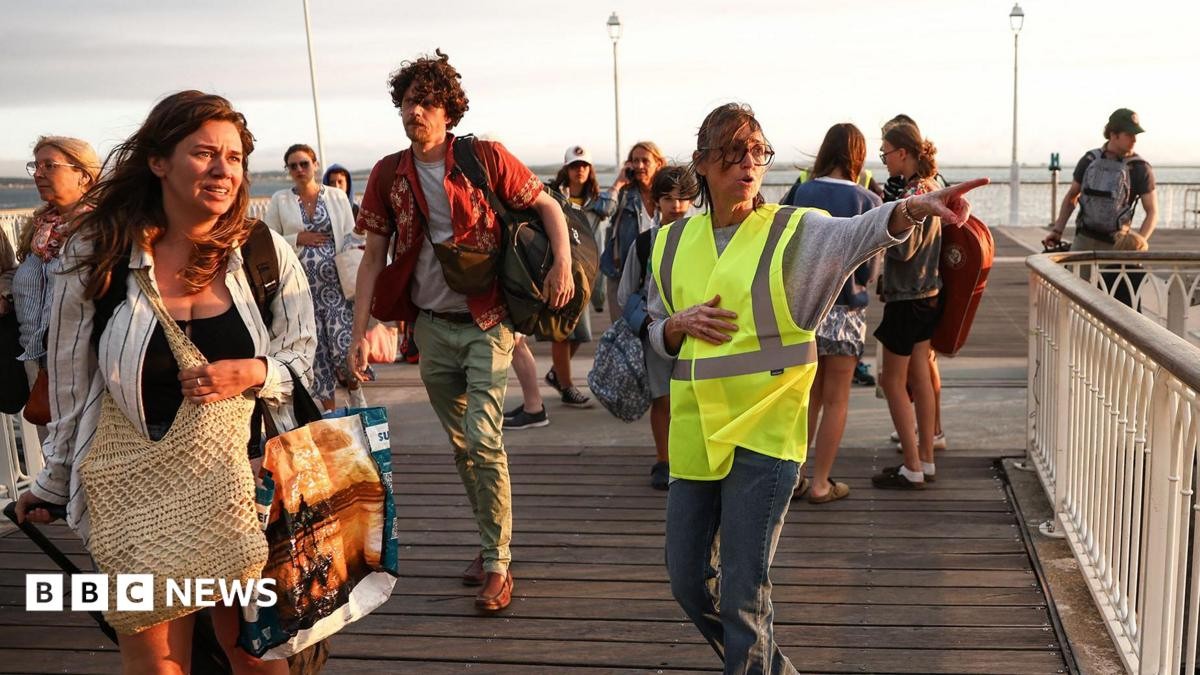
Tens of thousands of people have been forced to flee their homes as massive wildfires tear through southwestern France and the outskirts of Madrid. The scale is historic. In France, authorities evacuated the entire Cap Ferret peninsula. In Spain, a national emergency was declared after flames approached the capital.
This isn’t a drill. It’s a catastrophe.
France’s “XXL” Fire Crisis
The situation in France’s Gironde region is dire. Local officials describe the blaze as an “XXL fire” that has burned for days since starting on Tuesday. The numbers are staggering. 40,000 residents of the Cap Ferret peninsula have either left or are in the process of leaving.
The peninsula sits between the Atlantic Ocean and the Bay of Arcachon. It’s a tourist hub. Now it’s a danger zone.
Local prefect Sophie Brocas confirmed the losses. 53 homes and a campsite are gone. But 2,000 others were saved. That’s a narrow margin.
“The situation is completely unusual and catastrophic.”
That wasn’t a French official speaking. That was Isabel Díaz Ayuso, the president of the Madrid region in Spain. She used the same language because the reality is shared. High temperatures. Relentless wind. Multiple fire fronts merging into one unstoppable force.
Why These Fires Are Different
Fire and rescue chief Marc Vermeulen explained the shift in behavior. This isn’t just a hot summer day. The drought conditions are severe.
In 2022, the fires would “explode” at the end of the day. Nights offered a reprieve for firefighters. Not this time.
The fires explode at midnight. At 01:00 AM.
Vermeulen described propagation speeds of 800 to 1.000 hectares burned per hour. In a suburban area. This makes containment nearly impossible.
The geographic spread is widening. Further down the coast in the Landes region, around Biscarrosse, another major fire started on Thursday afternoon. More than 23.000 people were evacuated. 18.000 from Biscarrosse. 5.000 from Parentis-en-Born. Nursing homes. Summer camps. Everyone had to move.
Landes prefect Gilles Clavreul didn’t mince words. The fire around Biscarrosse wouldn’t be out by the end of Friday. Winds hit 50 km/h (31 mph). Temperatures sat at 36-37°C. So far. 105 buildings have been destroyed or partially destroyed.
Spain Declares National Emergency
Madrid is not far removed. Three major fires are burning west of the city. In Villa del Prado. In San Martín de Valdeiglesias.
Over 19.000 people evacuated in Spain. Prime Minister Pedro Sánchez called it a “dramatic situation.” He urged citizens to take extreme care.
Isabel Díaz Ayuso stood at an emergency command post in Cenicientos. She called it the worst fire in the region’s history. A perfect storm.
The Human Cost
Behind the statistics are families waking up to sirens.
David Morton. A 53-year-old headmaster from Gloucester. He was on holiday in Petit Piquey with his wife and sons. At 03:00 local time on Thursday night. His landline rang with an emergency alert.
He drove away with lights on. Slowly. Firefighters. Ambulances. Police. All controlling the chaos on the other side of the road. He could see several fires burning in the distance.
“It’s different from seeing it on television,” he told the BBC. “Seeing it blazing out of control despite hundreds of firemen helping.”
Olivia Jarratt. 44 years old. She stayed at Truc Vert campsite. She was evacuated in the early hours of Friday. Her daughter woke up screaming. At first. Olivia thought it was a nightmare.
Then the sirens started. Loudspeakers blared in French. Panic set in. There is only one road off the peninsula. Everyone was racing for it.
Olivia left behind her tent. Camping gear. Bikes. She just drove. Toward Bordeaux. Away from the flames.
Tragically. Two firefighters died on Tuesday. Near Bordeaux airport. They didn’t make it home.
The Climate Engine
Why is this happening?
Europe is the fastest-warming continent. Since the 1980s. It has heated at more than twice the global average. That’s what the EU’s Copernicus Climate Change Service says.
Hotter summers. Drier south.
Soil loses moisture. Trees dry out. Vegetation turns into tinder. All it takes is a spark. Usually human-caused. Sometimes accidental. Sometimes deliberate. Occasionally lightning.
Once the fire starts. The climate accelerates it. Extreme heat. Dry fuel. Strong winds. The fire spreads faster. It burns hotter. It becomes harder to control.
Land management matters too. Accumulated vegetation. Abandoned land. These add fuel to the fire. But the European Environment Agency is clear. Climate change has increased forest fire risk across the continent. Southern Europe is the most dangerous ground.
President Emmanuel Macron called the situation in France “very tense.” Especially in Gironde.
The European Union has stepped in. Three planes and two helicopters went to France. Four more planes went to Spain. It’s not enough. But it’s something.
The wind doesn’t care about borders. The fire doesn’t stop for nightfall. We are still running.