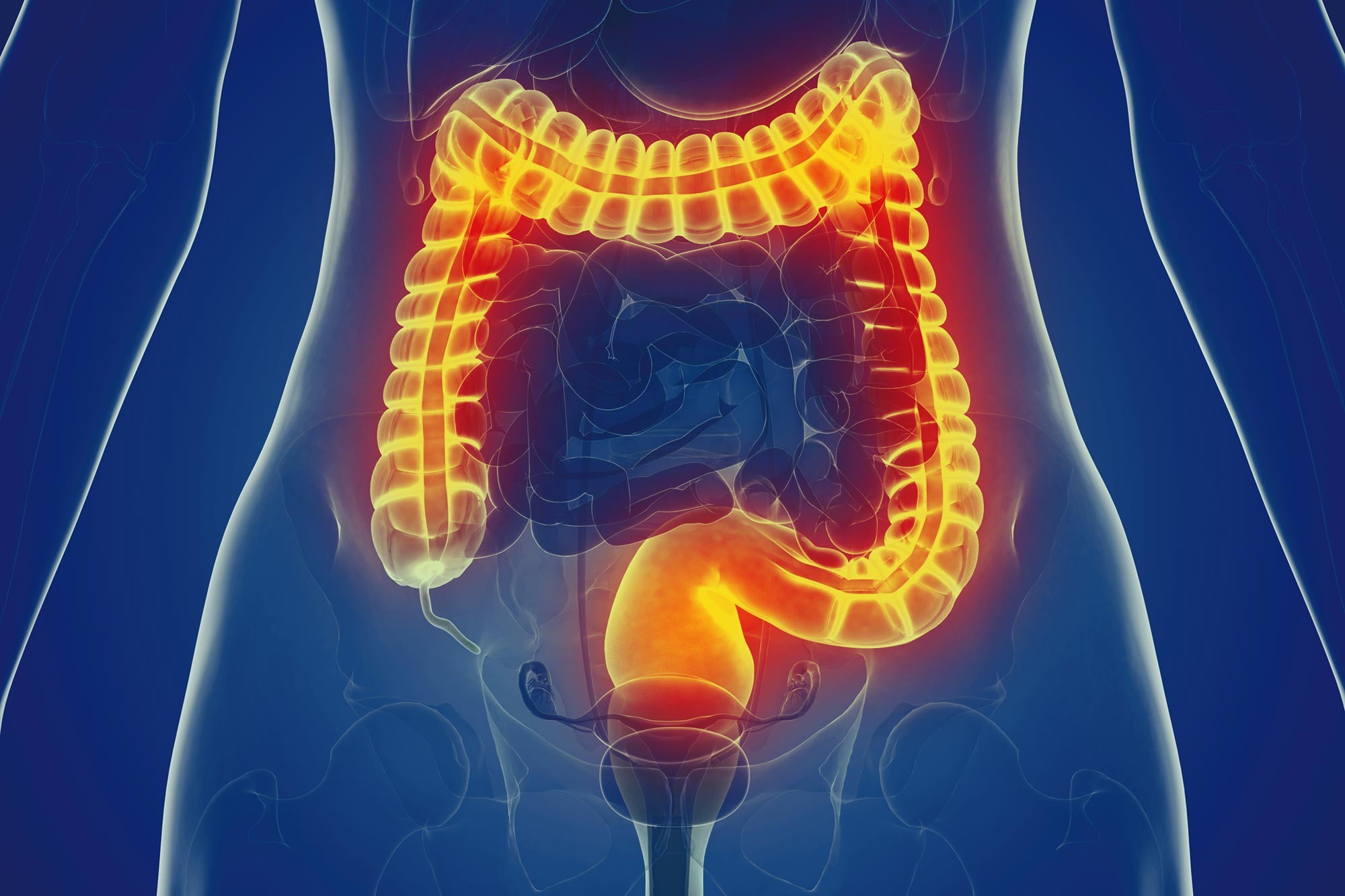
Researchers at Weill Cornell Medicine have identified a counterintuitive mechanism in the gut’s immune system that could revolutionize the treatment of inflammatory bowel disease (IBD) and other autoimmune disorders. The study, published in the Journal of Experimental Medicine, reveals that blocking a specific immune signal—rather than activating it—promotes tolerance to harmless gut microbes and food proteins, significantly reducing inflammation.
This discovery challenges the long-held belief that certain immune signals are universally required for regulating immune tolerance. By understanding this unique “switch,” scientists may unlock new therapeutic strategies for conditions that currently affect millions of people worldwide.
A Paradigm Shift in Immune Tolerance
The human immune system must constantly distinguish between harmful pathogens and harmless substances, such as food and beneficial gut bacteria. When this distinction fails, the body attacks its own tissues, leading to chronic inflammatory conditions like Crohn’s disease and ulcerative colitis.
For years, scientists believed that expanding regulatory T cells (Tregs)—the immune system’s “peacekeepers”—required specific activation signals. However, the new study by Dr. Gregory Sonnenberg, Dr. Mengze Lyu, and their team demonstrates that the gut operates under different rules than the rest of the body.
“We think this is a paradigm-shifting discovery that will lead to new treatment approaches for chronic inflammatory disorders of the intestine,” said Dr. Gregory Sonnenberg, senior author of the study.
The Unique Logic of Gut Immunity
The intestinal immune system is distinct because it is in constant contact with trillions of microbes and food particles. To prevent constant inflammation, it relies on specialized cells:
- RORγt+ Treg Cells: A subset of regulatory T cells that enforce tolerance in the gut.
- RORγt+ Antigen-Presenting Cells (APCs): Specialized cells that present antigens (fragments of molecules) to T cells.
Previous research established that gut RORγt+ Treg cells depend on signals from these APCs. The new study focused on the “two-step” process of T cell activation:
- Signal One: The APC presents an antigen to the T cell.
- Signal Two: A costimulatory interaction (often involving receptors like CD28 and B7) that typically drives T cell activation and expansion in other parts of the body.
Blocking the “Second Signal” Reduces Inflammation
In most tissues, both Signal One and Signal Two are required to activate immune cells. However, the Weill Cornell team found that in the gut, Signal Two actually works against tolerance.
When researchers blocked Signal Two while maintaining Signal One, they observed:
– An increase in the number of gut RORγt+ Treg cells.
– Enhanced immune tolerance.
– Significant protection against intestinal inflammation in preclinical models.
This is the opposite of what occurs in systemic immunity, highlighting the specialized nature of the gut environment. The findings suggest that the gut immune system evolved to suppress activation signals to prevent overreaction to harmless dietary components.
Why Existing Drugs Failed—and How to Fix Them
The study offers a crucial explanation for why CTLA4-Ig (abatacept), an existing drug that blocks Signal Two, failed to improve outcomes for IBD patients in a 2012 clinical trial.
The researchers discovered that patients with IBD have reduced levels of RORγt+ APCs. Since these cells are necessary to deliver Signal One, blocking Signal Two alone is ineffective if the APCs are missing. Without the APCs, the immune system cannot properly engage the tolerance pathway.
Dr. Mengze Lyu, lead author of the study, proposed a revised therapeutic strategy:
“Our results suggest that CTLA4-Ig could be effective against inflammatory bowel disease, if we could restore RORγt+ APCs that are missing, or give CTLA4-Ig to patients who are in remission and still have these cells present and functional in the intestine.”
Broader Implications for Autoimmune Health
This discovery extends beyond IBD. Because RORγt+ Treg cells also play a role in protecting against:
– Food allergies
– Side effects from cancer immunotherapy
– Other chronic inflammatory conditions
The ability to modulate this specific immune pathway could have widespread applications. The team is now exploring ways to restore RORγt+ APCs or identify patient subsets who retain these cells, potentially making existing drugs like abatacept effective where they previously failed.
Conclusion
This research overturns conventional wisdom about immune activation, showing that the gut requires a distinct regulatory logic to maintain health. By shifting the focus from activating immune signals to strategically blocking them—and ensuring the presence of key APCs—scientists may finally unlock effective treatments for chronic intestinal inflammation and related autoimmune disorders.